
Setting up your dropshipping store is already an obstacle. Getting buyers to actually see it is another challenge entirely.
You can source winning dropshipping products, calculate strong profit margins, and build a well-designed store. But if no one visits your website, your business will struggle to generate sales. Traffic and visibility are what turn a store into a profitable operation.
In this guide, you will learn the best dropshipping marketing strategies you can start implementing immediately. You can focus on one channel, combine multiple strategies, or build a full marketing system that supports long-term growth.
Key Takeaways
- Traffic determines success: Even if you source winning dropshipping products and build a strong store, you need consistent traffic and visibility to generate sales.
- Different strategies serve different goals: Paid ads drive fast results, while SEO, content, and email build long-term sustainable growth.
- Budget and stage matter: Beginners can start with low-cost strategies, then scale into paid dropshipping advertising as data and revenue increase.
- Optimization drives profitability: Tracking metrics like CAC, ROAS, CPC, CPA, and conversion rate helps you refine campaigns and scale your dropshipping marketing strategies effectively.
TL;DR Comparison Table of Dropshipping Marketing Strategies
| Strategy | Best For | Cost | Time to Results | Difficulty | ROI Potential |
| Facebook / Instagram Ads | Scalable paid traffic & product validation | $$–$$$ | Fast (days to weeks) | Medium | $$$ |
| Google Shopping Ads | High purchase intent buyers | $$–$$$ | Fast (days to weeks) | Medium | $$$ |
| TikTok Ads | Viral exposure & younger audiences | $$–$$$ | Fast (days to weeks) | High | $$$ |
| SEO + AI Visibility | Long-term organic traffic | $–$$ | Slow (6-12+ months) | High | $$$$ |
| Influencer Marketing | Leveraging established audiences | $–$$$ | Medium (weeks) | Medium | $$–$$$ |
| YouTube Videos | Evergreen product education | $–$$$ | Slow to medium | High | $$–$$$ |
| Organic Social Posting | Low-budget brand building | $ | Slow (months) | Medium | $$ |
| Short Form Videos | Fast engagement & visibility | $–$$$ | Fast (days to weeks) | Medium | $$–$$$ |
| Email Marketing | Lead nurturing & repeat sales | $–$$ | Medium | Low | $$ |
| Customer Marketing | Trust & conversion boosting | $ | Medium | Low | $$$ |
| Retargeting | Recovering abandoned carts | $$ | Fast | Medium | $$$ |
| Affiliate Marketing | Performance-based scaling | $–$$ | Medium | Low–Medium | $$–$$$ |
| SMS Marketing | High urgency promotions | $$ | Fast | Medium | $$–$$$ |
Strategy 1 Facebook/Instagram Ads
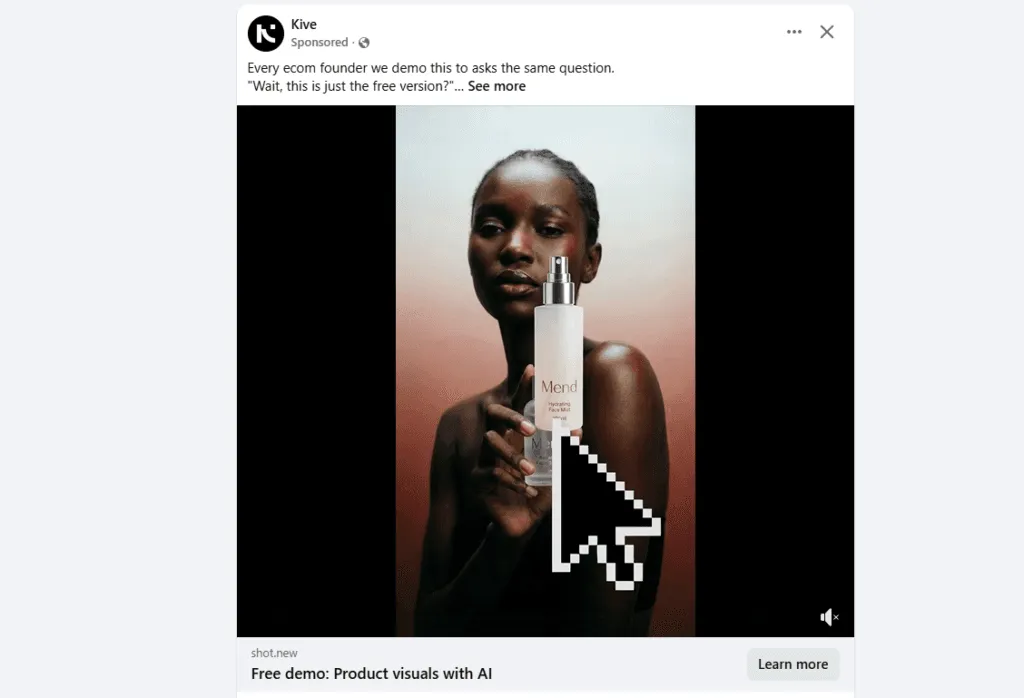
Best for: Scalable paid traffic and fast product validation
When you run Facebook and Instagram ads, you tap into the two largest social platforms under Meta, giving you massive exposure for your dropshipping products. Around 80% of Shopify sellers use Meta Ads, and 40% of dropshippers report it as their highest profit-generating channel.
Meta’s algorithm studies user behavior and delivers your ads to people most likely to engage or purchase. This targeting power makes it one of the most effective dropshipping marketing strategies.
However, because competition is high, you must optimize your creatives, targeting, and budget carefully to avoid wasted ad spend and low returns.
Pros
- Strong engagement: You can expect an average click-through rate of around 2.5%, which gives you solid traffic potential as long as you continuously optimize your creatives and targeting.
- High conversion rate: Ecommerce businesses see an average conversion rate of 9.21%, meaning your campaigns can turn clicks into actual purchases when properly structured.
- Largest audience reach: You gain access to roughly 3.5 billion daily active users across Meta platforms, allowing you to scale your dropshipping products to a massive global audience.
- Advanced ad targeting: You can use Meta’s algorithm to analyze user behavior and deliver your ads to people whose interests and actions align with your products.
Cons
- Higher competition and costs: Because of the massive viewership, you face intense competition, and if your campaigns are not optimized properly, you end up paying for non-converting clicks.
- Mobile optimization required: Since more than half of Meta users access the platform via mobile, you need separate creatives and campaign structures specifically for mobile behavior.
- Greater creative demand: With many competitors running similar ads, you must consistently produce fresh and engaging creatives to stand out from generic dropshipping advertising.
- High scaling expenses: As you increase ad spend to scale, your overall costs rise significantly, which can directly impact your return on ad spend if not managed carefully.
Typical cost
You can start testing with as little as $5 to $10 per day, but a realistic dropshipping testing budget ranges from $300 to $500 to gather meaningful data.
Strategy 2: Google Shopping Ads
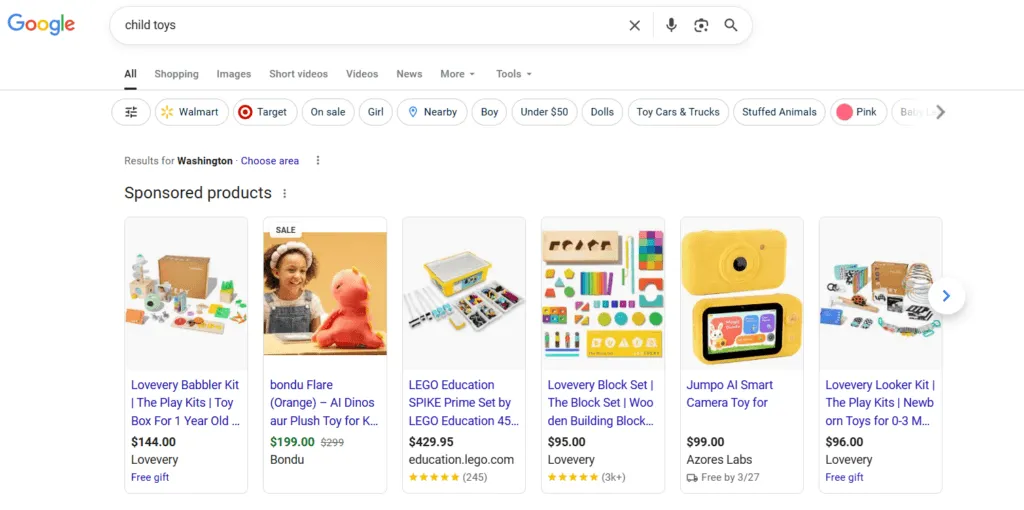
Best for: Capturing high-purchase-intent buyers
When you run Google Shopping Ads, you position your dropshipping products directly in front of buyers who are actively searching to purchase. Around 18% of ecommerce revenue comes from Google Ads, and 85.3% of clicks in e-commerce campaigns are generated specifically from Shopping Ads.
Unlike generic search ads, Google Shopping is built specifically for e-commerce. Your product image, price, and store name appear directly in search results, often in premium placements above traditional listings.
This gives your products stronger visibility and allows buyers to compare options instantly, making it a powerful channel within your dropshipping marketing strategies.
Pros
- High purchase intent: You target buyers who are already searching for specific products, which increases the likelihood of conversions compared to interruption-based advertising.
- Dominates ecommerce paid search: Since 76% of ecommerce search ad spend goes to Shopping Ads, you position your dropshipping products where most transactional search traffic happens.
- Lower average CPC: With an average cost per click of around $0.66, you can drive traffic at a lower cost compared to many social media advertising platforms.
- Strong product discovery channel: You showcase your product image, price, and brand directly in search results, helping shoppers discover and compare your offers instantly.
Cons
- Highly competitive space: Since 76% of ecommerce search ad spend flows into Shopping Ads, you compete directly with many sellers targeting the same high-intent keywords.
- Moderate conversion rates: While traffic is highly relevant, conversion rates are not guaranteed to be exceptional, especially if your pricing or product offer is not competitive.
- Instant price comparison: Your price appears alongside competitors, making it easy for shoppers to choose cheaper alternatives on the same screen.
- Requires proper testing budget: You need sufficient budget to gather performance data before making optimization decisions.
- Ongoing optimization needed: You must regularly adjust bids, product feeds, and targeting to maintain strong performance within your dropshipping marketing strategies.
Typical Costs
Most dropshippers begin testing with $10 to $50 per day, or roughly $300 to $1,000 per month.
Strategy 3: TikTok Ads
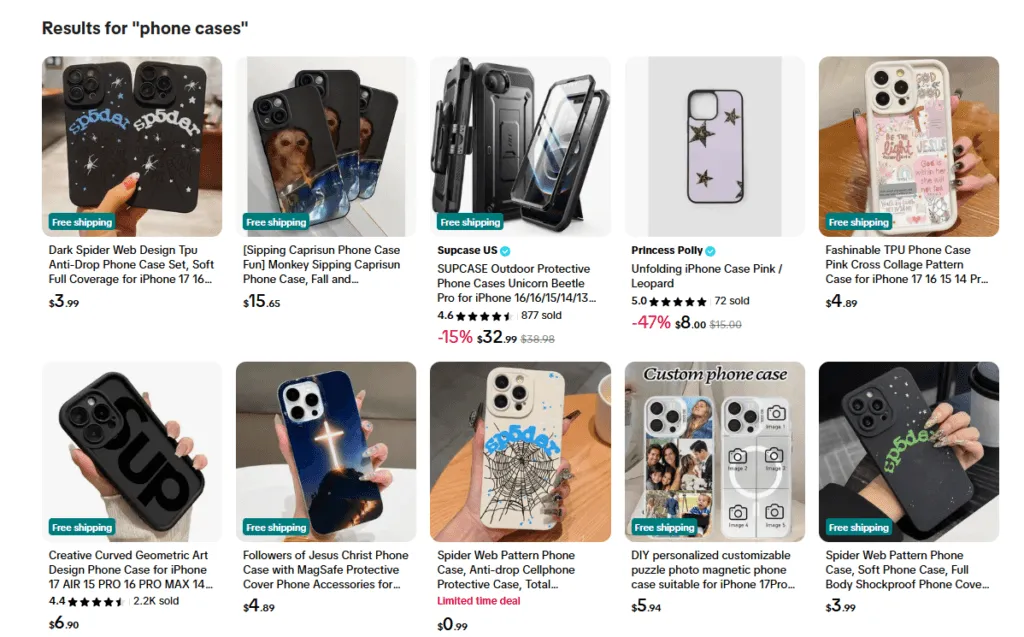
Best for: Viral product exposure and younger audiences
When you run TikTok ads, you tap into one of the fastest-growing social platforms, now reaching around 1.9 billion users. A significant portion of its audience includes younger demographics, with about 20% being men aged 25 to 34.
TikTok’s algorithm is designed to push content aggressively, allowing you to gain massive visibility when your creative resonates. By combining sponsored posts with this high distribution system, you increase your chances of rapid exposure.
Beyond in-feed ads, you can also take advantage of user-generated content through hashtag challenges, branded lenses, stickers, and filters that encourage users to promote your dropshipping products organically.
Pros
- Rapid user growth: You advertise on one of the fastest-growing social media platforms, giving you an expanding reach and fresh audience opportunities for your dropshipping products.
- Multiple ad formats: You can choose from in-feed ads, Spark Ads, hashtag challenges, and branded effects, allowing you to structure campaigns in different creative ways.
- Younger audience base: You reach a strong concentration of younger consumers who are highly engaged and responsive to trending products.
- UGC friendly environment: You can encourage user-generated content that blends naturally into the platform, making your dropshipping advertising feel less intrusive and more authentic.
Cons
- Presence of spam accounts: You may encounter traffic from dummy or low-quality accounts, which can affect engagement quality and distort campaign performance data.
- Platform uncertainty: Political and regulatory concerns surrounding the platform can create instability that may impact your long-term advertising strategy.
- High seller competition: With an estimated 500,000 sellers advertising on the platform, you face intense competition within popular dropshipping niches.
- Risk of inefficient spending: If your creatives and targeting are not optimized properly, you can generate high click volume but low conversions, increasing your overall advertising costs.
Typical Costs
You typically see CPCs ranging from $0.17 to $1.00, with CPM averaging between $3 and $9 for in-feed ads. Most dropshippers start testing at $50 to $150 per day, and many report CPAs between $15 and $40, depending on product price, funnel quality, and conversion rate.
Strategy 4: Search Engine + AI Visiblity Optimization
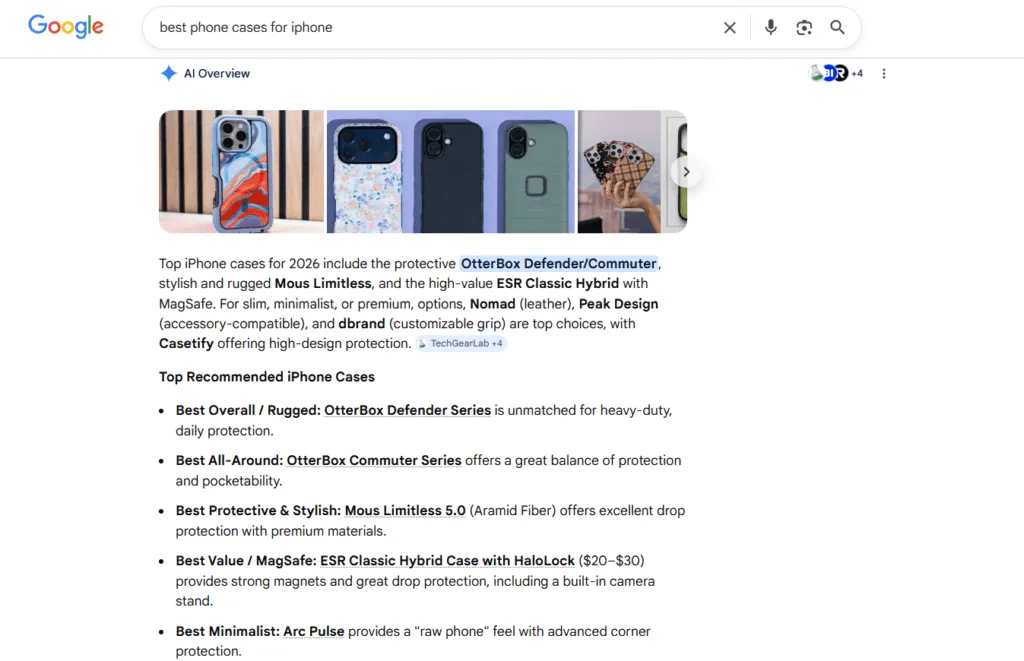
Best for: Long-term organic traffic and brand authority
When you invest in SEO, you build one of the most sustainable dropshipping marketing strategies available. Around 43% of ecommerce businesses consider organic search their highest revenue driver.
Unlike paid ads, you do not need a daily budget, but you do need consistent content and optimization along with link building (The most expensive part of SEO, especially at the beginning).
Since most purchase journeys begin with a search, you can attract potential buyers through blog content even when their intent is still low. By creating how-to guides, tips, and 5W1H style content related to your dropshipping products, you guide readers from information to purchase.
If you optimize properly, your content can rank on search engines and even increase visibility in AI tools that rely on published web data for brand mentions and recommendations.
Pros
- Creative control: You can structure your content strategy however you want and align it directly with your website, brand voice, and dropshipping products.
- Low setup cost: You can start using organic tools with minimal financial investment, especially if you handle content and optimization yourself.
- Evergreen potential: You can create content that continues to generate traffic and visibility long after it is published.
- Multi-channel integration: You can connect your SEO efforts with email marketing, YouTube content, and social media to strengthen your overall dropshipping marketing strategies.
- AI Visibility: You position your content to appear in AI-generated answers, summaries, and recommendations, increasing your chances of being discovered through AI-powered search tools.
- Biggest reach: You tap into a global audience actively searching for products and solutions, giving your dropshipping store maximum exposure through search engines.
Cons
- Slow results: You need patience because ranking your content on search engines can take months before you see consistent traffic and sales.
- Technical complexity: You must understand keyword research, on-page optimization, site structure, and other technical factors to compete effectively.
- Basic web knowledge required: You should be comfortable with fundamental web development concepts to properly optimize pages and fix technical issues.
- Sensitive to algorithm updates: Your rankings can fluctuate when Google releases updates, which means you must continuously adapt your SEO strategy.
Typical Costs
If you hire professionals for SEO and AI visibility optimization, you typically invest between $1,500 and $5,000 per month for meaningful growth, while basic support may start around $500 per month. One-time projects often range from $5,000 to $30,000, and hourly consulting usually falls between $100 and $300 per hour, depending on expertise and scope.
Strategy 5: Influencer Marketing
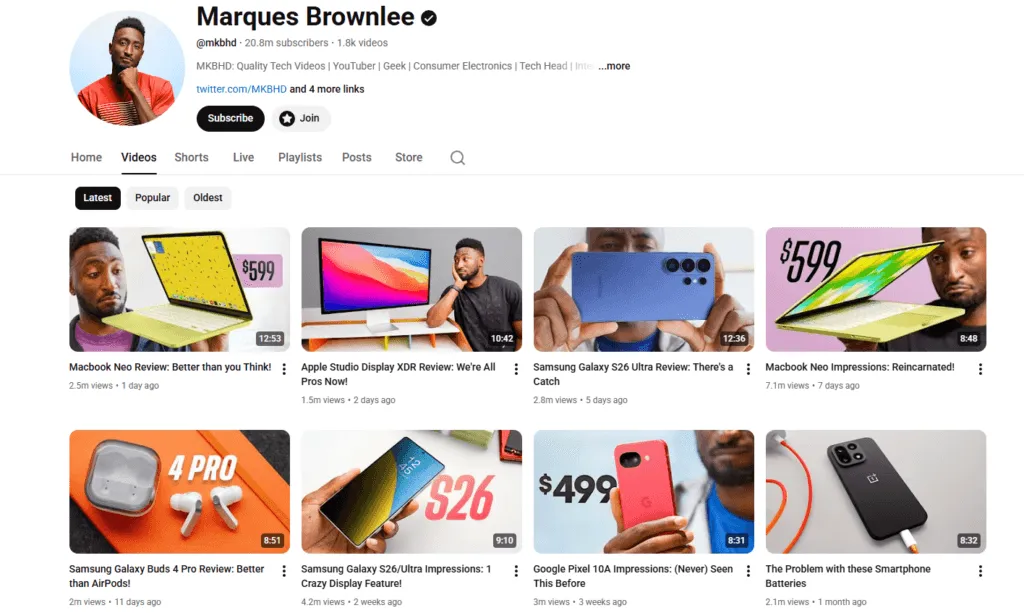
Best for: Leveraging established audiences for faster trust building
When you use influencer marketing, you promote your dropshipping products through creators who already have a loyal and engaged following. Instead of paying a platform to boost your ads, you partner with influencers whose audience aligns with your dropshipping niches.
Around 84% of ecommerce businesses consider influencer marketing as effective, especially when the influencer’s followers are compatible with the products being promoted.
You can structure collaborations through one-time payments, promo-based deals, or commission per sale using personalized links. Campaigns may run for a fixed period or for a set number of posts, depending on your agreement.
Pro
- Targeted audience reach: You can work with influencers whose followers match your ideal buyer demographic, helping you promote your dropshipping products to a highly relevant audience.
- Controlled budgeting: You can negotiate pricing, deliverables, and commission structures in advance, allowing you to manage costs.
- Multi-channel exposure: You can arrange promotions across multiple platforms depending on your agreement, expanding your brand visibility.
- Flexible content formats: You can request anything from short shout-outs to full product reviews, tailoring the promotion style to fit your dropshipping marketing strategy.
Cons
- High collaboration costs: You may face expensive negotiations, especially when working with influencers who have large followings and strong engagement rates.
- Difficult performance tracking: You can struggle to accurately measure results if tracking links, discount codes, or reporting systems are not properly set up.
- Limited partnership availability: You may find it challenging to secure collaborations if influencers are already working with your competitors.
- Inconsistent commitments: You risk delays or unmet expectations if an influencer fails to honor the agreed terms of your campaign fully..
Typical Costs
You can start with nano influencers at $25 to $300 per post or video for low-budget testing, while micro influencers typically range from $250 to $5,000 per placement and often deliver strong ROI for ecommerce. Mid-tier and macro influencers can cost anywhere from $2,500 to over $50,000 per campaign, depending on platform, engagement rate, content format, and usage rights.
Strategy 6: YouTube Videos
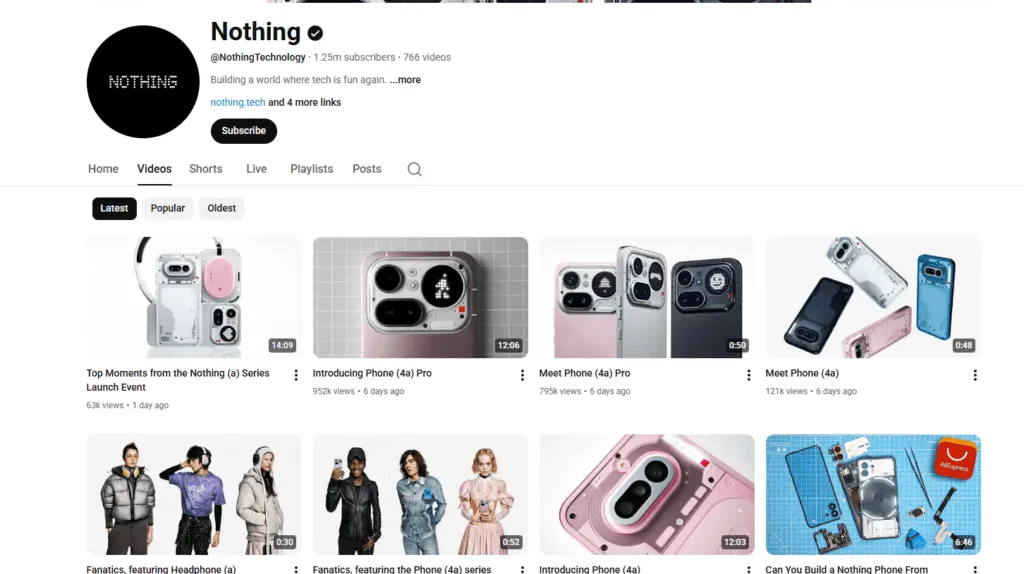
Best for: Long-form product education and evergreen visibility
When you use YouTube as part of your dropshipping marketing strategies, you combine content marketing with search intent. Over 40% of shoppers report purchasing products they discovered during YouTube research or browsing.
You can create videos that directly feature your dropshipping products or produce related content that naturally connects to them. Tutorials, demonstrations, and use case videos help position your product as a solution rather than just a sales pitch.
YouTube’s algorithm relies heavily on thumbnails, titles, and SEO optimization, giving you clear factors to improve visibility. With the right strategy, your videos can continuously attract viewers and drive traffic over time.
Pros
- Evergreen content potential: You can create videos that continue generating views, traffic, and sales long after they are published.
- Search-friendly promotion: You can improve visibility through optimized titles, thumbnails, and keywords, making promotion easier when done consistently.
- Flexible video length: You are not restricted by short time limits, allowing you to fully explain and demonstrate your dropshipping products.
- Monetization opportunities: You can earn additional income through YouTube monetization while promoting your products at the same time.
Cons
- Time-intensive production: You need to invest significant time in planning, filming, editing, and optimizing each video before publishing.
- Basic equipment required: You must have at least a simple recording setup, including decent lighting, audio, and editing tools to produce quality content.
- Slow algorithm traction: You may need patience because the algorithm can take time to recognize and promote your videos.
- Low product engagement risk: You can attract viewers who enjoy the content but do not necessarily click through or purchase your promoted dropshipping products.
Typical Costs
If you produce your own YouTube videos, costs can range from $900 to $4,000 for short content and scale to $8,000 to $75,000 or more for longer, high-production videos. But with a bit of human ingenuity, you can invest in your own equipment, some editing software, and stock photos and videos.
Strategy 7: Organic Social Media Posting
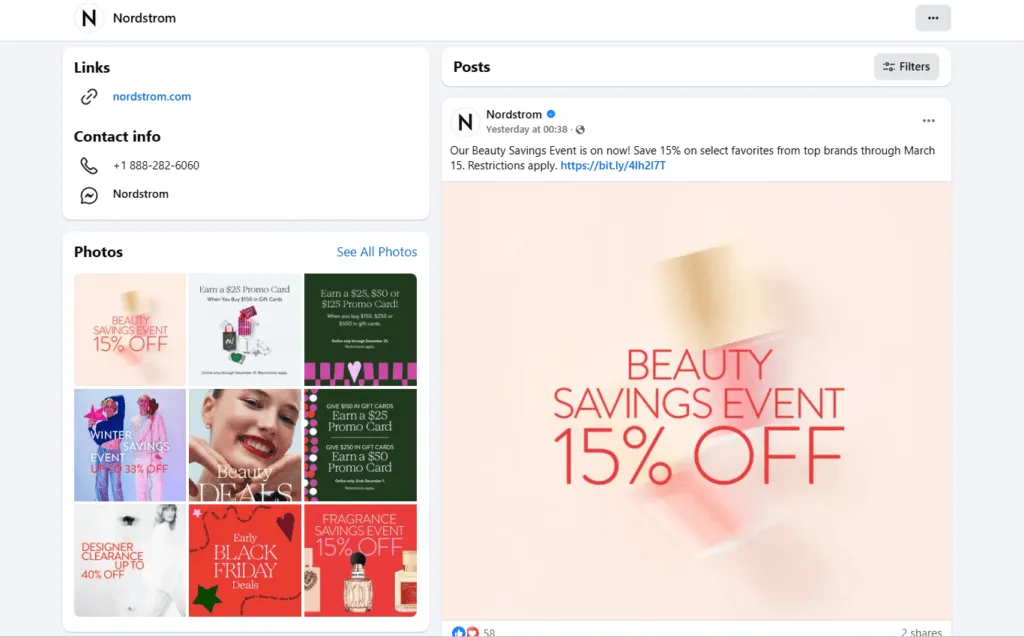
When you cannot invest in paid ads or influencer collaborations, you can promote your dropshipping products through your own social media accounts. Around 73% of businesses use social media as a primary promotional channel, making it one of the most accessible dropshipping marketing strategies.
You can post videos, images, or written content depending on your skills and resources. The key is consistency and platform alignment. You must choose the right channel based on your product and target audience, since not every platform fits every niche.
With the right content strategy, you can gradually build engagement and develop a community around your brand. It’s arguable that one of the first strategies dropshippers implement to promote their products and stores.
Pros
- Very low cost: You can promote your dropshipping products without paying for ads, making it one of the most budget-friendly marketing strategies.
- Solo manageable: You can handle content creation and posting on your own without needing an agency or influencer partnerships.
- Easy access to platforms: You can immediately start posting on social media without a complex setup or technical barriers.
- Community building potential: You can grow an engaged audience over time and influence purchasing decisions through consistent interaction and value-driven content.
Cons
- Unpredictable reach: You may struggle to gain visibility if your content strategy is unclear or not aligned with your target audience.
- Limited evergreen value: Your posts often lose visibility quickly, making them less effective for long-term traffic compared to search-based strategies.
- Consistency required: You can fall behind competitors if you do not post regularly and maintain engagement with your audience.
- Lower conversion rates: You may generate engagement and views, but organic social content typically delivers lower direct conversions compared to paid dropshipping advertising.
Typical Cost
If you manage organic social media yourself, you may spend $0 to $500 per month, though you invest 10 to 20 hours weekly creating content. Hiring freelancers typically costs $500 to $2,500 per month, while agencies range from $2,000 to $8,000 or more.
Strategy 8: Short Form Videos
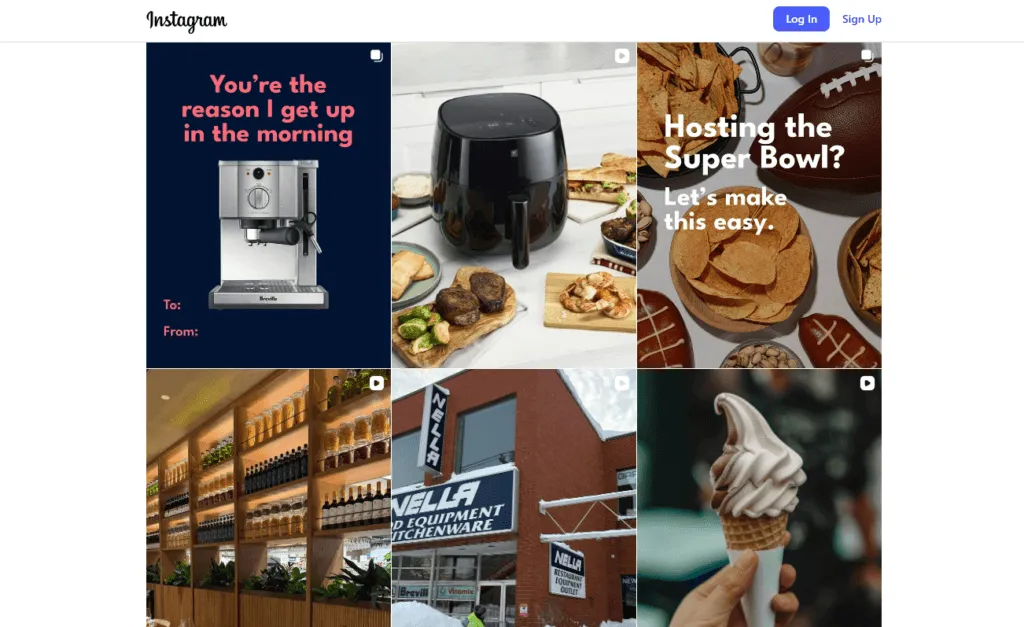
Best for: Fast engagement and high visibility across platforms
When you use short-form videos, you align with how modern consumers prefer to consume content. Around 63% of people prefer watching a short video to learn about a product, making this one of the most effective dropshipping marketing strategies.
Short-form content has grown rapidly since 2020 and is favored by platforms like TikTok, Instagram Reels, and YouTube Shorts. You can produce these videos quickly and consistently, even with minimal equipment.
You can also repurpose long-form videos into multiple short clips, allowing you to distribute more content across platforms and increase exposure for your dropshipping products.
Pros
- Easy to produce: You can create short-form videos quickly without complex setups, making it efficient for consistent dropshipping content output.
- Repurposable content: You can turn one long-form video into multiple short clips, maximizing your content production without starting from scratch.
- Platform favored format: You benefit from algorithms on TikTok, Instagram, and YouTube that actively prioritize short-form video content.
- High attention capture: You match modern short attention spans, making it easier for viewers to absorb your product message quickly.
Cons
- Consistency required: You must post regularly to stay visible, as algorithms favor accounts that upload content frequently.
- High competition: You compete with thousands of other sellers using the same short-form format to promote their dropshipping products.
- Limited time to persuade: You need to deliver clear and compelling information within a few seconds to capture attention and drive action.
- Trend-dependent exposure: You risk losing visibility if your content does not align with current trends or platform-specific formats.
Typical Cost
If you produce short-form videos yourself, you may only spend $0 to $50 per month on tools, but you invest significant time. Hiring freelancers typically costs $100 to $500 per video, while professional production ranges from $500 to $3,000 per clip, with high-end projects reaching $7,000 or more depending on complexity and quality.
Strategy 9: Email Marketing
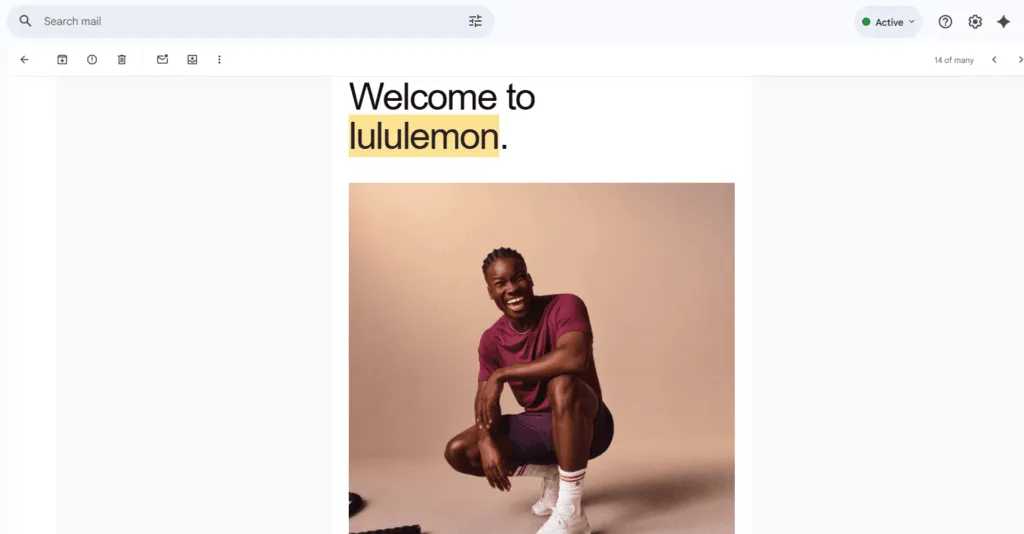
Best for: Nurturing leads and driving repeat purchases
When you use email marketing, you create a direct line of communication with your audience. While many dropshippers do not rely on it as their primary channel, it remains a powerful support strategy within their dropshipping marketing strategies.
In ecommerce, average open rates reach around 32.6%, giving you a strong opportunity to re-engage potential buyers. However, your success depends heavily on the message inside the email. If it feels overly sales-driven, subscribers may ignore it.
Instead, you can share valuable content, product education, and exclusive promotions to build trust and encourage purchases without sounding aggressive.
Pros
- Automation-friendly: You can set up automated flows using email tools, allowing you to send sequences without manually contacting each subscriber.
- Content promotion channel: You can use email to distribute your blog posts, videos, and product education content to drive additional traffic.
- Re-engagement capability: You can reconnect with past buyers or target users who abandoned their carts, increasing your chances of recovering lost sales.
- High ROI if done well: Email marketing often delivers very high ROI (averaging ~$36 per $1 spent) when optimized with segmentation and automation.
Cons
- Lower conversion rate: You may only see around 2.68% conversion on average, which is lower compared to some paid dropshipping advertising channels.
- List building required: You must create effective lead magnets or incentives to consistently grow your email list.
- Deliverability issues: Your emails can land in spam folders or promotional tabs, reducing visibility and engagement.
- Scaling costs: As your subscriber list grows, your email marketing platform fees typically increase, raising your overall expenses.
Typical Cost
You typically spend $0 to $100 per month for basic email platforms when managing small lists yourself, while growing dropshipping brands often invest $500 to $2,000 per month when combining software and freelance support. Full-service agency management can range from $1,000 to $10,000 or more per month, depending on list size, automation complexity, and campaign frequency.
Strategy 10: Customer Marketing
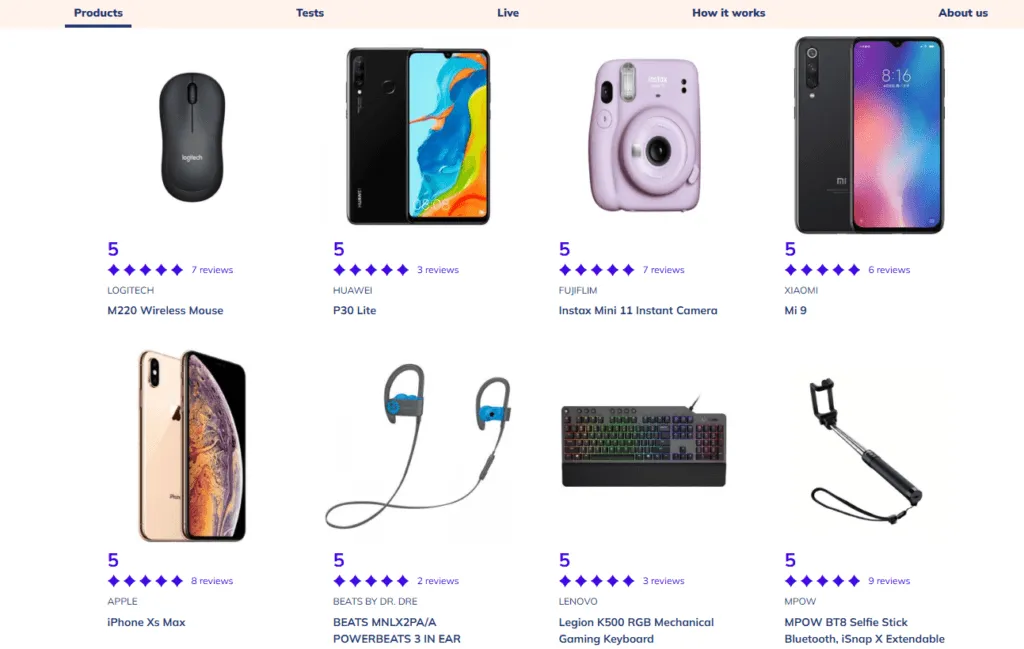
Best for: Building trust and increasing conversion rates
When you focus on customer marketing, you use reviews and testimonials to influence buying decisions. This is one of the earliest and most cost-effective dropshipping marketing strategies you can implement.
You can display reviews directly on your homepage or product pages, or collect feedback through third-party review platforms. Research from Northwestern University’s Spiegel Research Center shows that products with at least five reviews are about 270% more likely to be purchased than those with none.
By delivering excellent service, you naturally encourage positive feedback. While you may offer small incentives, you should avoid paying for reviews to maintain credibility and long-term trust.
Pros
- Minimal cost: You can collect and display reviews with little to no expense, aside from occasional small incentives or loyalty rewards.
- Peer-driven trust: You create customer-to-customer credibility, which feels more authentic and less like a direct sales pitch.
- Easy homepage integration: You can showcase testimonials prominently on your homepage to immediately build trust with new visitors.
- Product page reinforcement: You can embed reviews directly on product pages to strengthen buying confidence at the point of decision.
Cons
- Risk of negative feedback: You may receive unfavorable reviews that publicly highlight product issues or customer dissatisfaction.
- Limited control over third-party platforms: You may struggle to remove reviews posted on external platforms, even if they seem unfair.
- Reviewer credibility concerns: You must monitor reviews carefully to ensure they come from legitimate buyers and not fake accounts.
- Vulnerability to competitor attacks: You may face coordinated negative campaigns aimed at damaging your brand reputation.
Typical Cost
You can start collecting reviews for as little as $0 to $50 per month using free Shopify apps and manual post-purchase emails. Most growing dropshipping stores spend $30 to $100 monthly on automated review tools. At the same time, larger brands may invest $150 to $500 for advanced features, incentives, or third-party platforms to strengthen credibility and boost conversions.
Strategy 11: Retargeting
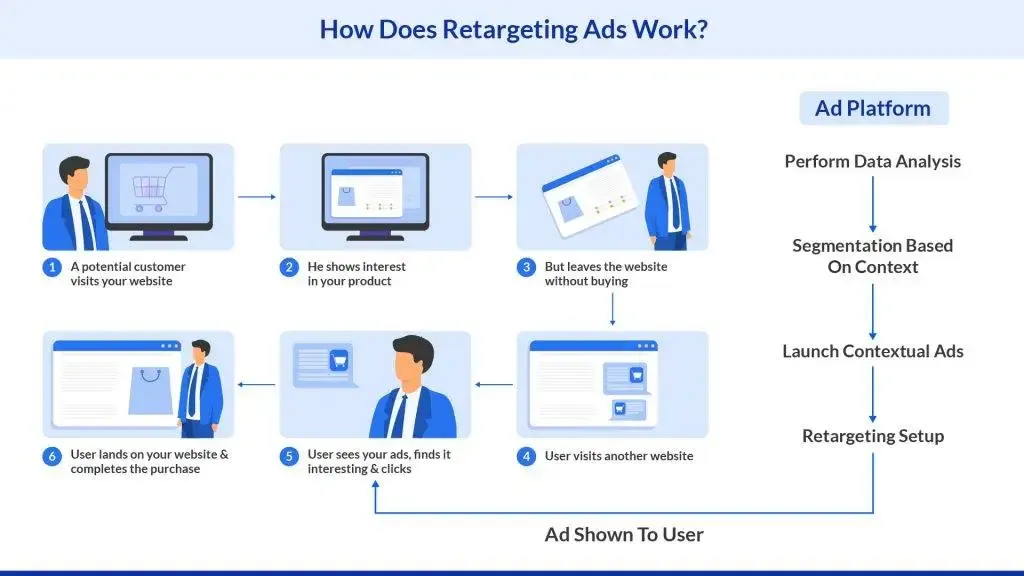
(source)
Best for: Recovering abandoned carts and converting warm traffic
When you use retargeting, you focus on people who already visited your dropshipping store but did not complete a purchase. Instead of finding new traffic, you re-engage warm audiences who showed interest in your products.
Retargeting campaigns can reduce cart abandonment by around 6.5% and increase recovered sales by up to 20% when combined with other recovery tactics. A common example is targeting users who added items to their cart but did not check out.
You can run retargeting through paid ads, email sequences, SMS reminders, and even automated Google campaigns, making it a powerful layer within your dropshipping marketing strategies.
Pros
- Highly personalized messaging: You can tailor your ads and follow-ups based on user behavior, such as viewed products or abandoned carts.
- Multi-channel targeting: You can retarget customers through ads, email, SMS, and display networks to reinforce your message from multiple angles.
- Intent-driven persuasion: You focus on users who already shown interest, increasing your chances of converting them.
- Customer care impression: You remind visitors about their interest, which can make your brand feel attentive rather than random.
Cons
- Higher advertising costs: You may face higher costs per impression or click, especially when competing for warm audiences across multiple platforms.
- Legal compliance requirements: You must follow data privacy laws in certain countries, including consent rules for tracking and messaging.
- Multi-channel setup complexity: You need to prepare coordinated campaigns across ads, email, and SMS to maximize effectiveness.
- Customer data dependency: You must collect accurate emails, phone numbers, or tracking data to properly execute retargeting campaigns.
Typical Cost
You typically spend $300 to $1,000 per month to run effective retargeting across Meta, Google, email, and SMS, with CPCs often ranging from $0.20 to $1.50 and CPAs commonly between $5 and $30.
Because you target warm traffic, conversion rates are often 2 to 5 times higher than cold campaigns, making retargeting one of the most cost-efficient dropshipping marketing strategies.
Strategy 12: Affiliate Marketing
Best for: Performance-based growth with low upfront risk
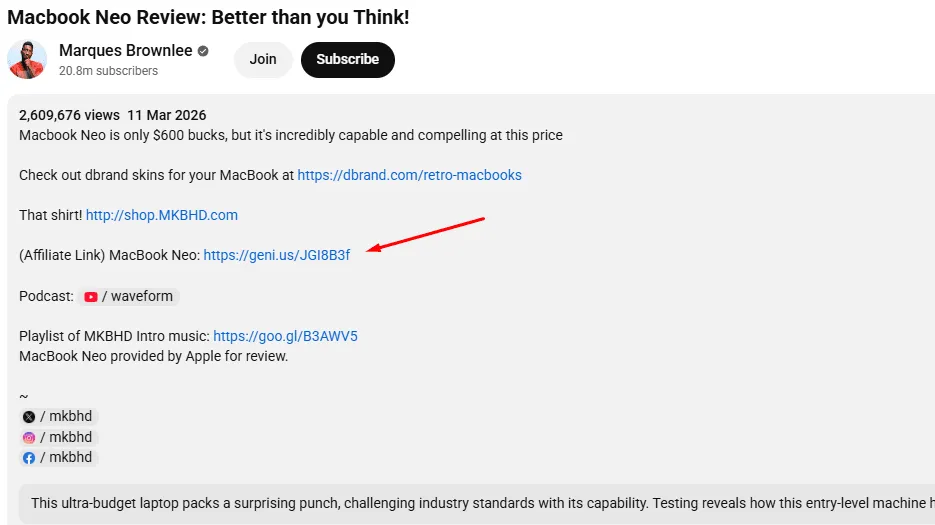
When you use affiliate marketing, you allow other people to promote your dropshipping products through personalized tracking links. Affiliates can be influencers, marketers, content creators, or even existing customers who share your products with their audience, friends, or family.
Affiliate marketing contributes to roughly 16% of ecommerce sales in the United States and Canada, making it a significant revenue channel. You only pay a commission when a sale is generated through an affiliate’s link, which reduces upfront advertising risk.
Because payment is performance-based, you can scale partnerships while maintaining controlled acquisition costs within your dropshipping marketing strategies.
Pros
- Simple setup process: You can launch an affiliate program quickly using tracking software or ecommerce plugins without complex technical requirements.
- Distributed promotion: You allow affiliates to handle the marketing and audience outreach while you focus on product fulfillment and optimization.
- Scalable growth model: You can continuously add new affiliates, increasing exposure and sales without significantly increasing upfront advertising costs.
Cons
- Tracking dependency: You rely on cookies or tracking systems to attribute sales accurately, which can be affected by browser restrictions or user settings.
- Inconsistent performance: You may experience fluctuating results since affiliate sales depend on each partner’s activity and audience response.
- Limited control: You cannot force affiliates to promote your products more actively beyond agreed terms.
- Reduced profit margins: You sacrifice a portion of your revenue per sale in the form of commissions, which lowers your per-product profit.
Typical Cost
You typically pay affiliates 5 to 30% commission per sale, with many dropshipping stores starting around 10 to 15% to stay competitive. In addition, affiliate tracking software usually costs $30 to $500 per month, while third-party networks may charge $250 or more monthly plus override fees on each commission, making total costs dependent on scale and structure.
Strategy 13: SMS Marketing
Best for: High urgency promotions and fast customer response
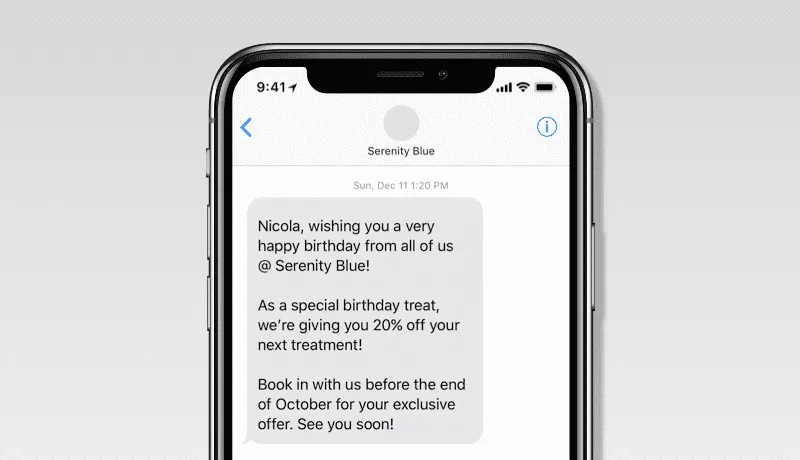
When you use SMS marketing, you communicate directly with customers through text messages, making it one of the most immediate dropshipping marketing strategies. Although it is one of the older digital channels, it remains highly effective for ecommerce.
SMS campaigns often generate click-through rates between 19% and 36%, which is significantly higher than typical email performance. Because messages appear directly on a customer’s phone, they are more likely to be seen quickly.
You can use SMS for flash sales, abandoned cart reminders, limited-time offers, and important updates that require immediate attention.
Pros
- Broader demographic reach: You can reach older customers who may not be highly active on social media platforms.
- Personalized messaging: You can tailor messages based on location, behavior, or purchase history to increase relevance and engagement.
- Strong cart recovery performance: You can use SMS for abandoned cart reminders, with some campaigns reporting conversion rates as high as 39.4% when timed properly.
Cons
- Higher messaging costs: You may face higher expenses compared to email because SMS charges are typically applied per message sent.
- Perceived intrusiveness: You risk irritating customers since phone numbers are more private, and unsolicited messages can feel invasive.
- Lower engagement among younger users: You may see weaker response rates from younger, tech-savvy audiences who prefer social media or messaging apps over traditional text messages.
Typical Cost
You typically pay $0.01 to $0.05 per SMS message, with MMS costing slightly more at $0.03 to $0.10 per send. Monthly platform fees usually range from $29 to $299 or more, depending on credits and automation features.
Most dropshipping stores spend around $30 to $120 per month at the starter level, while growing brands commonly invest $100 to $500 or more as volume increases.
Marketing Funnel for Dropshipping
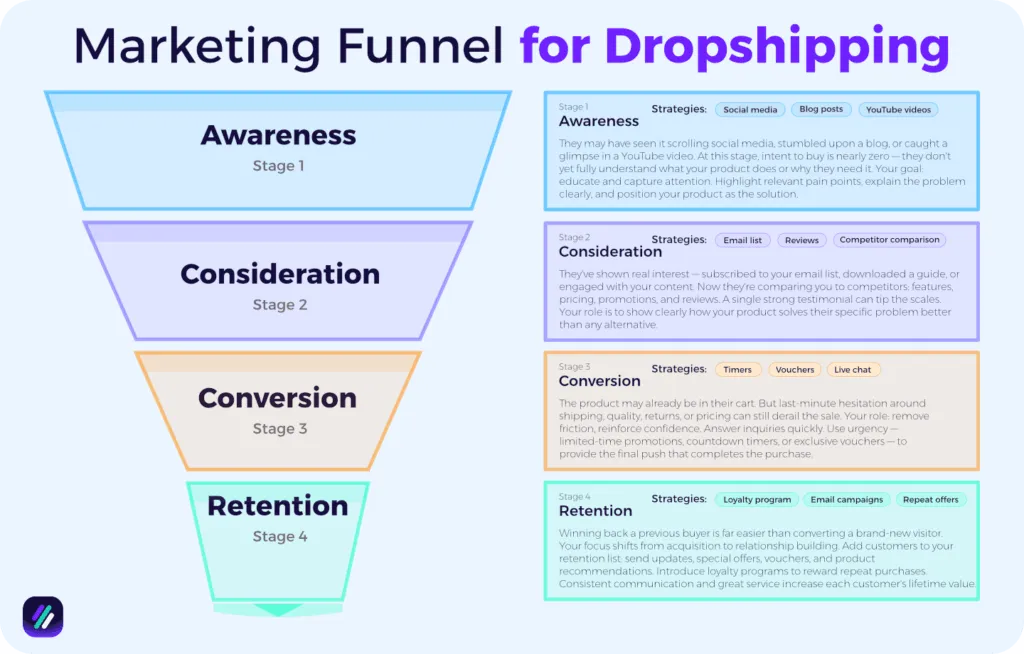
When you build your dropshipping marketing strategies, you need to understand how the marketing funnel works. The funnel represents the journey your customer takes from first discovering your product to finally making a purchase.
At the top of the funnel, you reach a wide audience. Many people see your product, but most are not ready to buy yet. As you move down the funnel, the audience becomes smaller, but their intent becomes stronger.
The narrower the funnel gets, the closer your potential customer is to purchasing. Each stage requires a different approach to guide them from awareness to conversion and eventually retention.
Awareness
At the awareness stage, your potential customer barely knows about your product. They may have seen it while scrolling on social media, stumbled upon a blog during a search, or watched a random YouTube video where it appeared briefly. At this point, they usually have little to no intention of buying.
They may not fully understand what your product does or why they need it. Your goal here is to educate and capture attention. You move them further down the funnel by highlighting relevant pain points, explaining the problem clearly, and positioning your product as a potential solution.
Consideration
At the consideration stage, your potential customer is already thinking about buying. They have shown interest and are evaluating whether your product is worth paying for. Fewer people reach this stage, but those who do are more qualified and easier to convert. They may have subscribed to your email list, downloaded a free guide, or engaged with your content.
At this point, they are likely comparing your product with competitors. They look at features, pricing, promotions, pros and cons, and especially reviews. A single strong testimonial can influence their decision.
Your role here is to clearly show how your product stands out and how it solves their specific problems better than alternatives.
Conversion
At the conversion stage, your customer is only a small step away from purchasing. They may already have the product in their cart and are close to clicking checkout. However, hesitation can still happen at this point. They might have last-minute questions about shipping, quality, returns, or pricing.
Your role here is to remove friction and reinforce confidence. You should be ready to answer inquiries quickly and clearly. Adding urgency through limited-time promotions, countdown timers, or exclusive vouchers can provide the final push needed for them to complete the purchase.
Retention
At the retention stage, your customer has already made a purchase. It is generally easier to encourage a previous buyer to purchase again than to convince a completely new visitor to trust your store.
Your focus now shifts from acquisition to relationship building. You can add customers to your retention list and send updates, special offers, vouchers, and product recommendations. You can also introduce loyalty programs to reward repeat purchases.
By maintaining consistent communication and delivering good service, you strengthen trust and increase the lifetime value of each customer within your dropshipping marketing strategies.
Key Metrics Every Dropshipper Should Track
Here is a marketing dropshipping glossary to keep up with your marketing campaigns.
- Customer Acquisition Cost (CAC): The total marketing and advertising cost required to acquire one paying customer.
- Lifetime Value (LTV): The total revenue you expect to generate from a customer over their entire relationship with your store.
- Conversion Rate: The percentage of visitors who complete a purchase or desired action on your website.
- Return on Ad Spend (ROAS): The revenue you earn for every dollar you spend on paid advertising campaigns.
- Average Order Value (AOV): The average amount a customer spends per transaction in your dropshipping store.
- Cost Per Click (CPC): The amount you pay each time someone clicks on your advertisement.
- Cost Per Acquisition (CPA): The average cost you pay to generate one completed sale or conversion.
- Email Open Rate: The percentage of subscribers who open your marketing emails out of total emails delivered.
Spy on Dropshipping Competitors’ Ads & Stores with ZIK Analytics
Now that you understand the different dropshipping marketing strategies available, your next step is choosing and refining the right approach for your store. Instead of testing blindly, you can base your decisions on real competitor data.
With ZIK Analytics, you can analyze how other dropshippers structure their advertising and product positioning.
The AdSpy tool allows you to view live Facebook and Instagram ads, helping you study their creatives, offers, pricing strategies, and targeting angles. You can filter results by gender, age, country, ad duration, ecommerce type, and media format to uncover campaigns tailored to specific audiences without manual research.
You can also use the Dropshipping Spy Tool to review competitor stores, identify top-selling Shopify and eBay listings, and find verified supplier matches. By analyzing what successful sellers are testing and scaling, you can build a smarter, data-driven Shopify marketing plan for your own store.
Frequently Asked Questions about Dropshipping Marketing Strategies
Here are some frequently asked questions about dropshipping marketing strategies:
What is the best marketing strategy for dropshipping?
The best marketing strategy for dropshipping depends on your budget, niche, and growth stage. If you want fast results, paid ads like Facebook, TikTok, or Google Shopping work well. For long term stability, SEO and email marketing build sustainable traffic. Most successful stores combine multiple dropshipping marketing strategies for balanced growth.
What are the best dropshipping marketing strategies for beginners?
For beginners, the best dropshipping marketing strategies are low cost and easy to manage. You can start with organic social media posting, short form videos, and basic email marketing to build traffic without heavy ad spend. As you gain data and revenue, you can gradually test paid ads and retargeting campaigns.
Is TikTok good for dropshipping in 2026?
Yes, TikTok remains a powerful channel for dropshipping in 2026. Its massive and highly engaged audience helps products gain fast visibility, especially with creative short-form videos and in-feed ads. TikTok’s algorithm favors trends and shareable content, making it a strong platform for product discovery and scalable advertising when optimized properly.
How much should I budget for dropshipping ads?
Your dropshipping ad budget depends on your testing goals and product price. Many beginners start with $10 to $50 per day for testing. A realistic testing budget often ranges from $300 to $1,000 per month. As you find winning products, you can gradually scale spend based on performance and profitability.
How long does dropshipping marketing take to work?
Dropshipping marketing can show results at different speeds depending on the strategy you use. Paid ads like Facebook or TikTok can generate traffic and sales within days. Organic strategies like SEO and content marketing may take three to six months. Consistency, testing, and optimization determine how quickly you see meaningful results.