
Looking to find a few winning products for your Shopify store?
Shopify is the most popular ecommerce platform for launching online stores. But it’s also the most competitive with everyone and their mom using it to start their business.
That means you need to find ways to make your store look better than others.
One of the best ways to do that is to nail your Shopify product research. Below, I break down what product research is, why it matters and how to do it step by step.
What is Shopify Product Research?
Shopify product research is the process of finding and evaluating products to sell on your Shopify store. You gather data on customer demand, study market trends, and check what competitors are selling. The goal is to identify profitable items and make informed decisions that increase your store’s chances of success.
Why is Shopify Product Research Important?
Product research is important because it helps you choose products that sell and build a store around proven demand. Here are the main benefits of Shopify product research tools:
Avoiding Saturated Markets
Research tells you upfront how intense the competition is in a particular market. You learn which niches are overcrowded and where too many sellers are offering similar products. For example, general fitness gear is highly saturated, but focusing on a smaller segment like portable resistance bands can help you succeed.
Reduce Risk of Failed Products
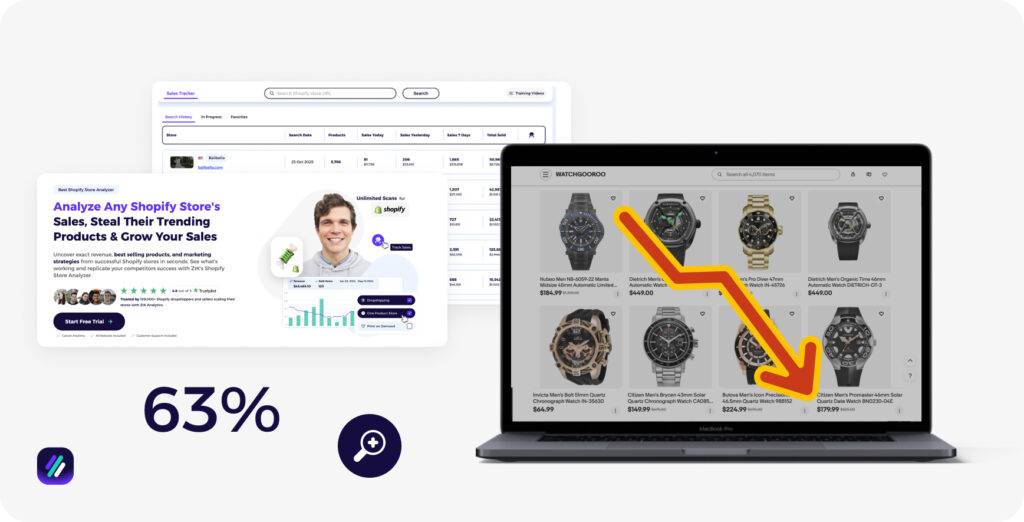
Did you know that nearly 63% of failed stores admit they didn’t spend enough time validating demand before launching? With Shopify product research, you reduce that risk by analyzing real sales data, competition levels, and customer interest before listing a product.
Maximizing Profit Margins and Minimizing Ad Spend
Another benefit of doing Shopify product research is that it helps you find products with the best profit potential. You can compare supplier costs and market prices to see where you can charge more without losing buyers. Data from research also helps you run smarter ad campaigns that reduce spending and improve returns.
Ensuring Long-Term Scalability with Evergreen Products
As your store grows, you’ll want products that keep selling long after trends fade. Shopify product research makes it easy to identify these evergreen items by showing consistent sales patterns over time. You can use this data to plan for steady growth and avoid relying on short-term fads.
How to Do Shopify Product Research [Step-by-Step]
Shopify product research helps you validate demand and lower the risk before investing. Here are the essential steps to get started:
Step 1: Identify Your Niche
Research should start with what you’re passionate about. Think about hobbies, interests or problems you’ve noticed in your own life. For example, some people start Shopify dropshipping around fitness gear because they work out daily.
You can also find niche ideas by:
- Researching trending products on social media. Open TikTok and scan the products that keep appearing in your feed. Record what’s getting shared, what influencers are promoting and what people are asking about in comments.
- New technologies. Are there emerging tools or gadgets solving old problems
- in new ways? Get information on those and see if there’s growing search interest or early buyer demand before competition floods in.
- Addressing problems with existing products. Dive deep into customer reviews and social media complaints for products in your niche. Then see which products can solve those pain points better or offer features people keep asking for.

Step 2: Analyze Niche Demand
Next, you need to check how much demand your niche actually has. Here’s what to look at:
Check search volume
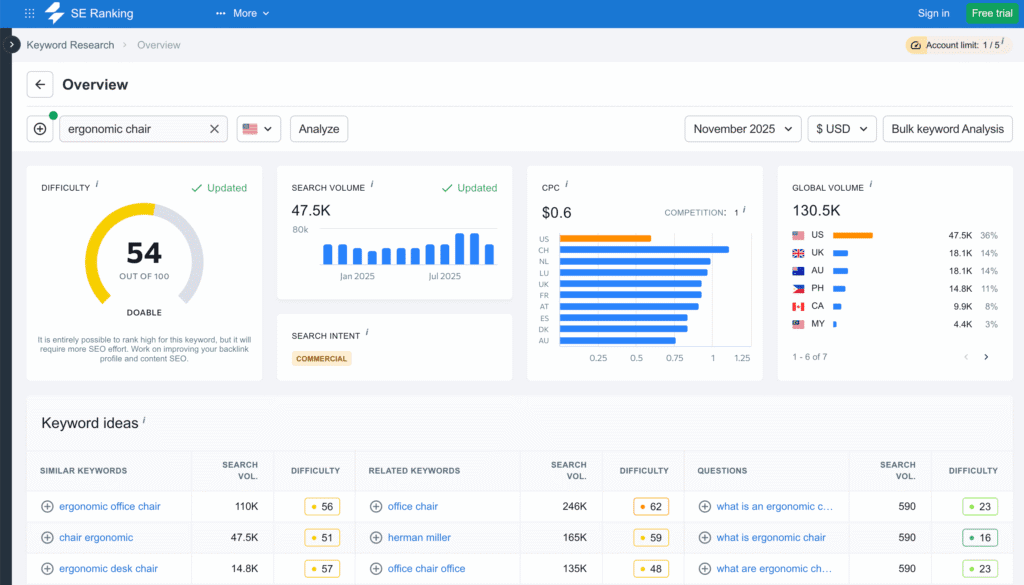
Keyword research tools help you see if people are actively searching for products in your niche. You can use tools like SE Ranking to review keyword performance. Look for keywords with high search volume because that shows consistent interest and growth potential.
Social media engagement
See how people are reacting to products in your niche. Check likes, shares and comment activity on platforms like TikTok, Facebook or Instagram. Products with high engagement usually show what consumers are actively buying or talking about.
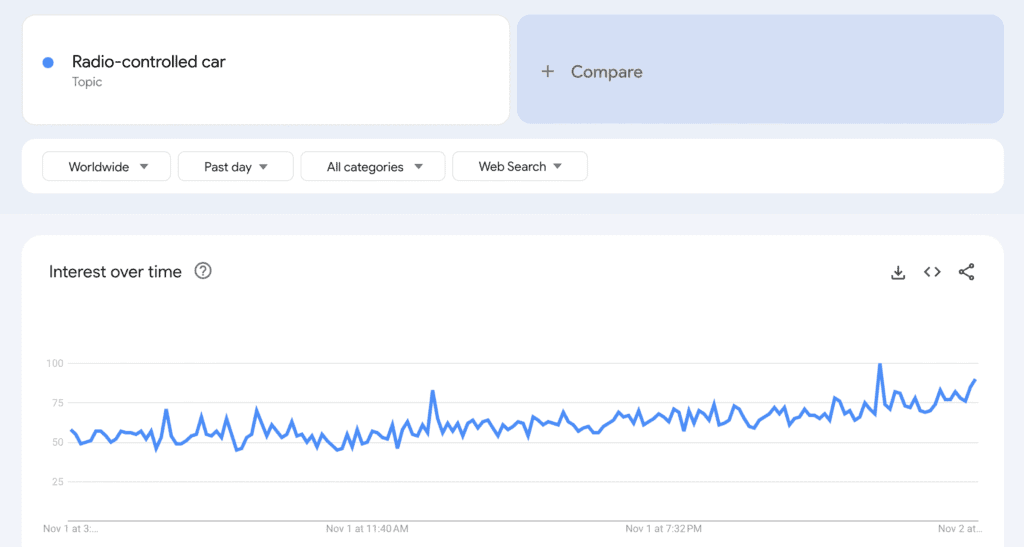
Google Trends
Google Trends shows you if interest is growing or declining. Type in your niche or product name and review the “Interest over time” graph. A steady or upward trend signals healthy demand.
Market size and forecast
Look at the long-term potential by searching your niche followed by “market size” or “market forecast” in Google. You’ll find reports showing the industry’s growth rate, demand outlook and future profitability.

Step 3: Analyze Sales Historical Data
Once you’ve confirmed there’s demand, check which products have a proven sales track record in your niche.
To do this, you can use the Shopify Product Explorer in ZIK Analytics. Log into ZIK and choose the Product Explorer from the dashboard. Now enter keywords related to your niche and apply filters for sales volume, revenue and time period. You’ll then see a list of products with estimated sales over 7 and 30 days, pricing, upload dates and total revenue.
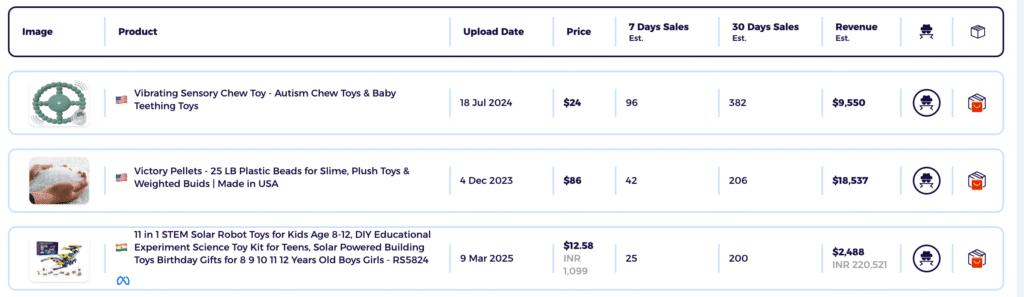
Check products with consistent sales numbers rather than one-time spikes. This helps you avoid trends that already faded and focus on items with steady demand.
Step 4: Evaluate Competition
You can’t be sure if a niche is worth entering without knowing how much competition exists and how well top stores are performing.
Fortunately, you can use ZIK Analytics Shopify Sales Tracker to find the best performing stores in your niche. Search by keywords or store type to see competitors ranked by total sales and revenue. The tracker shows you which stores are dominating and how much they’re making.
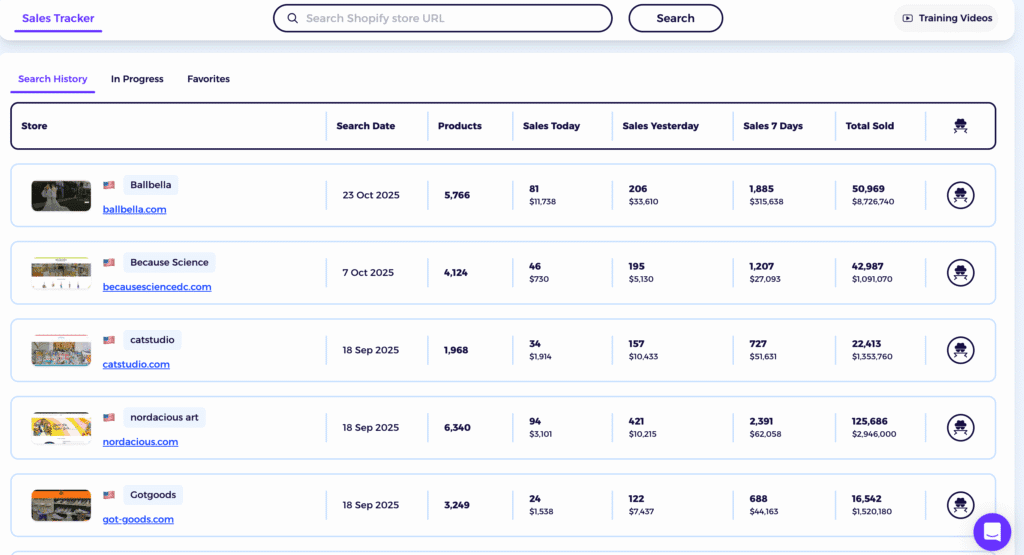
Click on any store to view individual performance including bestselling products, sales estimates, revenue and social channels they use.
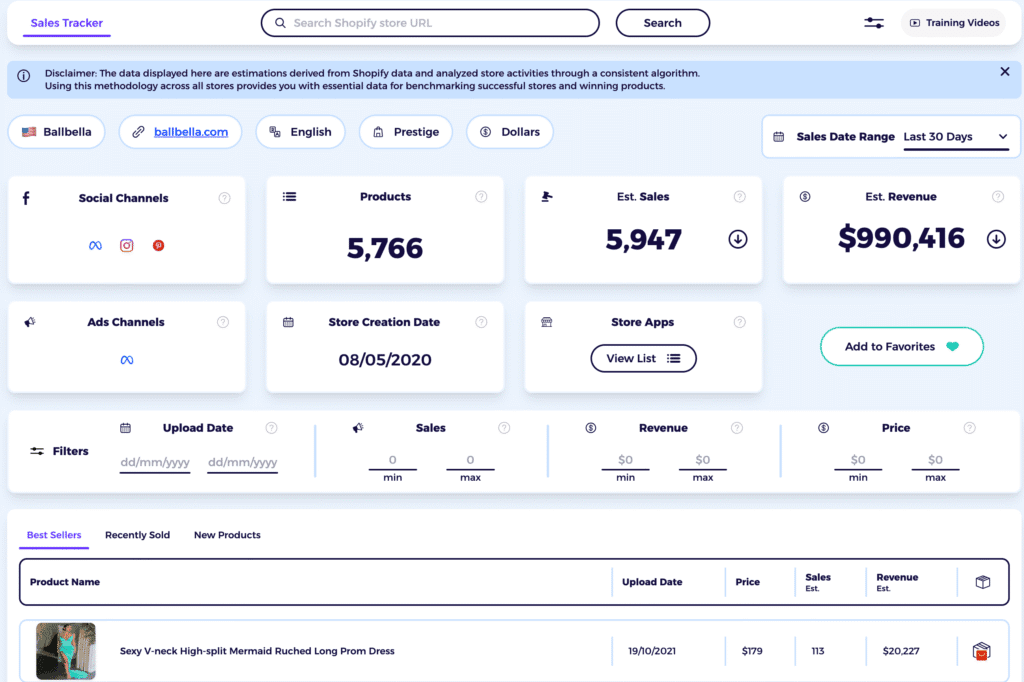
This helps you decide if there’s room to compete or if the market is already too saturated.
Step 5: Find Winning Products in Selected Niche
Once you know your niche has demand and manageable competition, you should start looking for specific products that are making money right now.
ZIK can help you identify these products quickly. You can use the Product Explorer to filter by sales volume and revenue to see what’s moving. You can also check the Shopify Sales Tracker to browse competitor stores and see which items generate the most sales.
Another option is checking TikTok, Instagram Reels or YouTube Shorts for trending products. Look for items that keep showing up in your feed and you should have ideas on what to add to your store.
Grab your Shopify dropshipping eBook and find winning suppliers fast!Step 6: Validate Profitability
Before launching a product, you’ll want to calculate a few things to make sure it’s actually profitable.
Cost
This covers everything you spend to get the product ready to sell. You can calculate it using the following formula:
Total Cost = Product Cost + Packaging + Platform Fees (Alibaba or AliExpress)
Keep your total cost low enough that you can price competitively while maintaining at least a 25% profit margin.
- Shipping
Shipping affects your profit more than most sellers realize. Include both what you pay the supplier and what you charge (or don’t charge) your customers.
Net Shipping Cost = Supplier Shipping – Customer Shipping Fee
If your net shipping cost eats up more than 10–15% of your selling price, it may hurt profitability.
- Dropshipping or Manufacturing
You should also consider how your sourcing method affects your total cost. Each model changes how much you spend per unit.
Total Sourcing Cost = Unit Cost × Quantity Ordered
Dropshipping has higher per-unit costs but no inventory risk. Manufacturing is cheaper per unit but requires bulk orders upfront.
- Average Order Value (AOV)
AOV helps you measure how much customers spend on average per order. It’s helpful to know when you’re planning Shopify cross sell or upselling strategies for your business.
AOV = Total Revenue ÷ Number of Orders
For example, if your total revenue is $2,000 from 50 orders, your AOV = $40.
A higher AOV spreads your marketing costs across more revenue. Aim to increase AOV through bundles or upsells.
- Margins
Your margin tells you what percentage of each sale is profit after all expenses.
Profit Margin (%) = [(Selling Price – Total Cost) ÷ Selling Price] × 100
A healthy profit margin for Shopify dropshipping typically falls between 25–40%, depending on your niche and ad costs.
- Customer Acquisition Cost (CAC)
CAC shows how much it costs to get each new customer. The lower this number, the better your overall profit margin.
CAC = Total Marketing Spend ÷ Number of New Customers
Your CAC should be well below your profit per order. If they’re equal or close, you’re not going to make money.
- Return on Investment (ROI)
ROI shows how much profit you earn for every dollar spent.
ROI (%) = [(Total Revenue – Total Cost) ÷ Total Cost] × 100
Aim for an ROI above 30%. Anything lower may not be profitable enough to scale or handle unexpected costs.
Step 7: Test Product Demand
Before investing a large sum of money into dropshipping, make sure to test the items. Here are some Shopify marketing strategies that can help:
- Paid ads: Run a few campaigns on TikTok or Facebook to see how people respond to your product. If you get a lot of engagement and conversions, it’s a sign that the product is worth investing more into.
- Organic content: Post videos or images of the product on TikTok, Instagram or YouTube Shorts without spending on ads. If people engage, comment or ask where to buy, you have validation before spending.
- Email to existing customers: If you already have a customer list, send them a preview or early access offer. High open rates and click-throughs show interest in the new product.
Shopify Product Research Best Practices
These practices will help you dig deeper and find products with less competition and better profit potential.
Reverse-Engineer Competitor Stores
Using ZIK Analytics, you can reverse engineer successful stores by seeing what they sell and how much they make. Enter a store URL to view their bestselling products, revenue estimates and sales data. Then use Item Finder to locate the same suppliers and check if the margins work for you.
Analyze Adspy to Spot Winning Products
See the results from adspy tools to find out which ads are getting traction. If an ad has been running for weeks or months, that usually means it’s profitable. Look at the product, the angle they’re using and how they’re positioning it.
Social Media Trend Mining
Scroll through TikTok, Instagram Reels and YouTube Shorts to see which products are going viral. Pay attention to repeat appearances and check the comments to see if people are asking where to buy.
Analyze Competitor Reviews
The reviews customers leave on your competitors’ websites can show you gaps and problems. Look for complaints about quality, shipping or missing features. Those gaps give you a chance to offer something better or position your product differently.
Best Shopify Product Research Tools
If you’re looking for the best Shopify product research tools, there are plenty that can help you find winning items.
- ZIK Analytics – Tracks real Shopify sales data and shows competitor revenue so you can see what’s actually working before you commit.
- Dropship.io – Gives you curated winning products with Facebook ad examples and one-click importing for Shopify dropshipping stores.
- AutoDS – Automates product importing and order fulfillment so you can focus on scaling your Shopify dropshipping business.
- Minea – Scans millions of ads across Facebook, TikTok, and Pinterest to show you trending products and winning creatives.
- Google Trends – Shows search interest over time so you can spot rising demand and avoid fading trends before you launch.
- TikTok Trends – Reveals viral products and trending hashtags to help you catch momentum early and ride the wave.
- Niche Scraper – Scans successful dropshipping stores and delivers handpicked products with targeting tips and ad examples.
- Ecomhunt – Delivers daily product picks with supplier info, profit estimates, and proven ad angles to speed up your testing.
Bring in ZIK Analytics in your Shopify Product Research
If you want a faster way to find winning products, ZIK Analytics gives you the exact tools you need. Use the ZIK Analytics Shopify Product Explorer to discover profitable dropshipping items backed by real sales data, then validate demand with the ZIK Shopify Product Research Tool to see which products are gaining momentum across top stores.
You can also check ZIK’s Adspy Tool to spot trending social media posts and angles that already convert. With these insights, working together, you can launch products with confidence instead of guessing what might sell.
Frequently Asked Questions About Shopify Product Research
In this section, I’ll answer the frequently asked questions about Shopify product research:
What is the most sold product in Shopify?
The most sold product on Shopify is t-shirts, followed by other apparel like sweatshirts and pants. Clothing remains the top-performing category because of its universal appeal and endless design options. Skincare and digital products also sell well, but apparel continues to dominate Shopify due to steady demand and easy customization for different audiences.
What niche is most profitable on Shopify?
The most profitable niches on Shopify include the likes of health and wellness, home and living, and consumer electronics. These categories attract buyers year-round and have steady demand. You’ll also find profitable items in beauty, pet supplies, gaming, and car accessories, which continue to grow as shoppers look for convenience and lifestyle upgrades.
What is the best product research method for dropshipping?
The best product research method for dropshipping combines data-driven tools with social media insights and competitor analysis. You can use platforms like ZIK Analytics to find products backed by real sales data and demand. Then, watch TikTok and Facebook to spot trending items and ad strategies. Finally, analyze competitor stores and marketplaces like AliExpress to validate profit potential before you launch.
What product sells the most?
The most sold product globally is clothing. This includes everyday items like t-shirts, sweatshirts, and women’s apparel that appeal to almost everyone. Other than clothing, smartphones, consumer electronics, home goods, and health products also rank high in global sales.
What are the riskiest products to dropship?
The riskiest items to dropship come from categories like electronics, supplements, cosmetics, and fragile or oversized goods. These niches often carry legal and safety risks, along with high returns and shipping costs. It’s also risky to sell branded or licensed goods without authorization. Ideally, you should focus on reliable, low-risk items with steady demand and clear regulations.
How do I find trending products for my Shopify store?
You can find trending products for your Shopify store using ZIK Analytics. ZIK’s Product Explorer lets you discover items that are rapidly increasing in sales and popularity across different niches. You can then use the Shopify Sales Tracker to monitor their growth across stores and confirm which products are gaining momentum before adding them to your catalog.
How can I spy on competitors’ Shopify stores?
You can spy on competitors’ stores using ZIK’s Shopify Store Analyzer. It lets you uncover any Shopify store’s sales, top products, and marketing strategies in seconds. You can then source those same items from AliExpress or Alibaba and calculate profit margins. Make sure to monitor recent uploads and 7- to 30-day sales trends to spot rising winners early.
Should I focus on evergreen or trending products?
You can focus on both to make sure you’re covering short-term wins and long-term growth. Evergreen products can keep sales steady throughout the year. Trending products can bring quick profits when demand spikes. Most Shopify dropshippers combine the two to maintain a stable income while catching new opportunities as they arise.