
Thinking of starting a dropshipping business? You’re not the only one.
Dropshipping remains one of the easiest and most affordable ways to start selling online compared to other dropshipping alternatives. But with so many decisions and tools involved, it can be difficult to know where to begin.
We’ve put together this comprehensive dropshipping guide to make it easier for beginners to get started.
Here are the steps on how to start dropshipping business right away.
Step 1: Select Your Dropshipping Niche
The first step to starting your store is picking a niche that fits both your interests and market demand.
Begin with what you already know for example, if you love fitness, look into gym gear or resistance bands.
If you’re into pets, explore toys or grooming tools. Selling products you understand helps you connect better with your audience and create content that feels authentic.
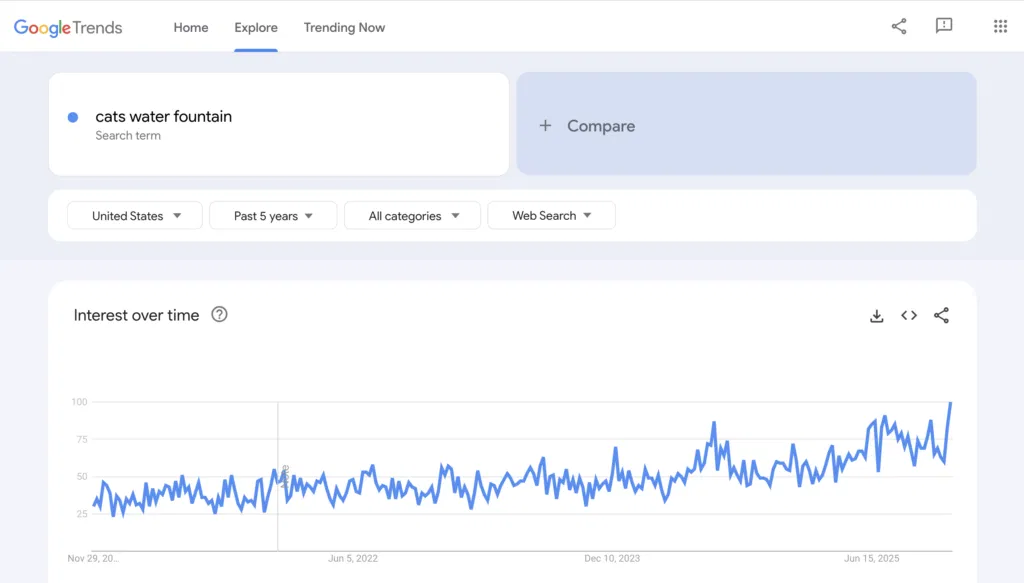
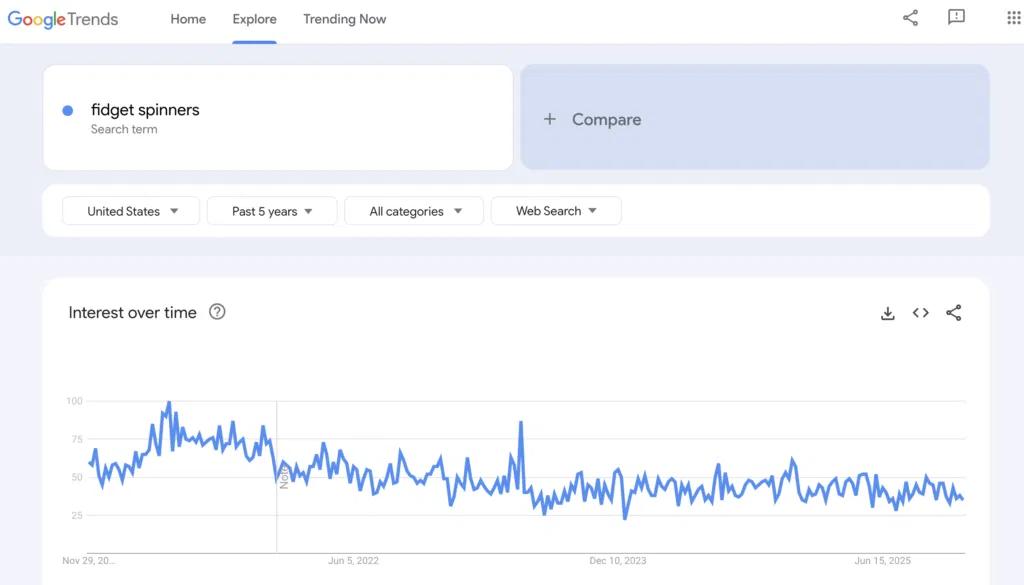
Next, check Google Trends to see if interest in your idea is growing or fading. For example, “cat water fountains” might show steady growth, whereas “fidget spinners” may have dropped off. Look for niches with consistent or upward trends.
ZIK Analytics offers tools that reveal which niches are trending across various platforms. For example:
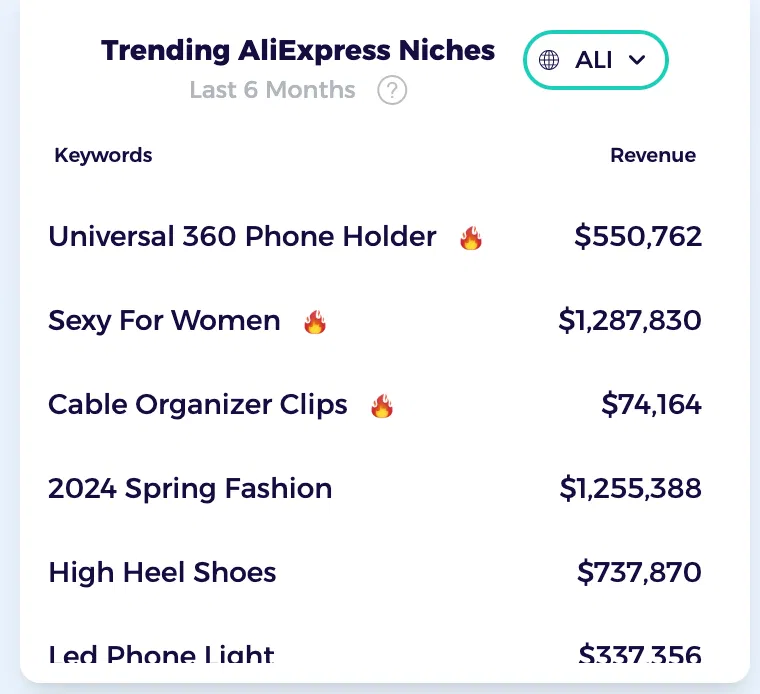
Our Market Insights Tool lists Trending AliExpress Niches with their estimated revenue. You can see which products are gaining traction and click each niche to view top-performing listings.
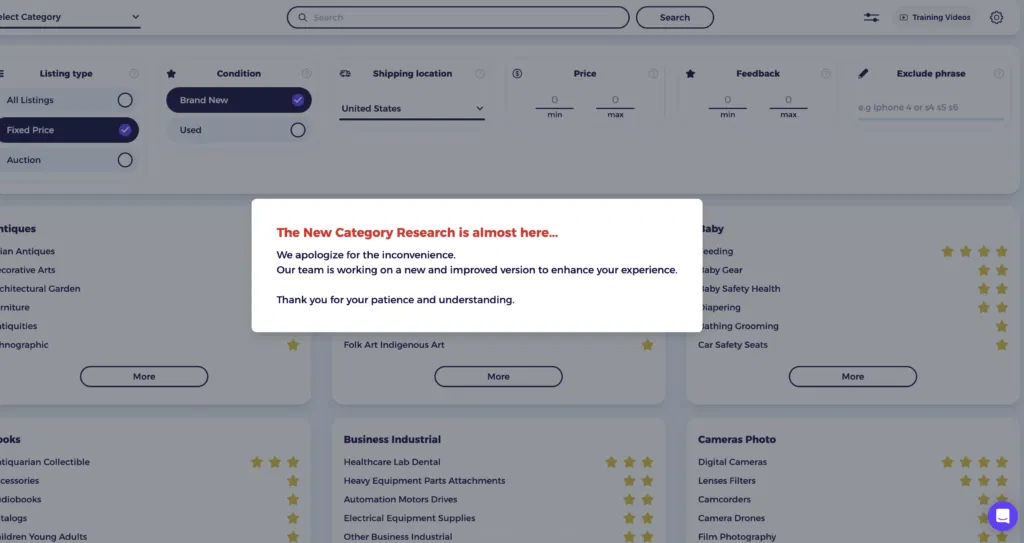
Our Category Research Tool (currently being upgraded) helps you explore ideas by browsing through product categories. It’s useful for discovering hidden opportunities in markets like baby gear, home décor, or industrial supplies.
Once you’ve found a niche with proven interest and active sales, you’re ready to move on to validation.
Step 2: Analyze the Demand of the Niche
The next step is to see if there’s enough demand for your niche. Many dropshipping stores launch around trending ideas, only to find out later that no one’s really buying. You don’t want to be one of them.
You can analyze the demand for a niche by using a mix of SEO tools, social media insights and ZIK Analytics data.
SEO Tools
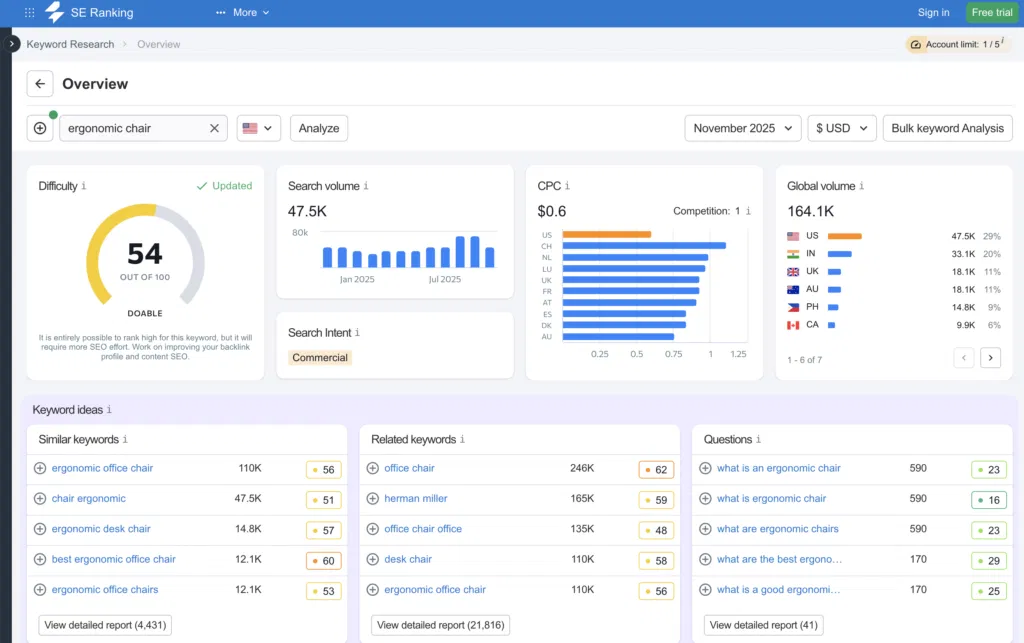
Start with keyword research. Tools like SE Ranking or Google Keyword Planner show how often people search for products in your niche and how competitive those keywords are.
- Look for steady search volume.
- Check the difficulty score to see if a new store can rank
- Study cost-per-click (CPC). High CPC often means advertisers are making money in that niche.
Social Media
TikTok, Instagram, and Reddit can reveal what people are excited about right now. Here’s what to do:
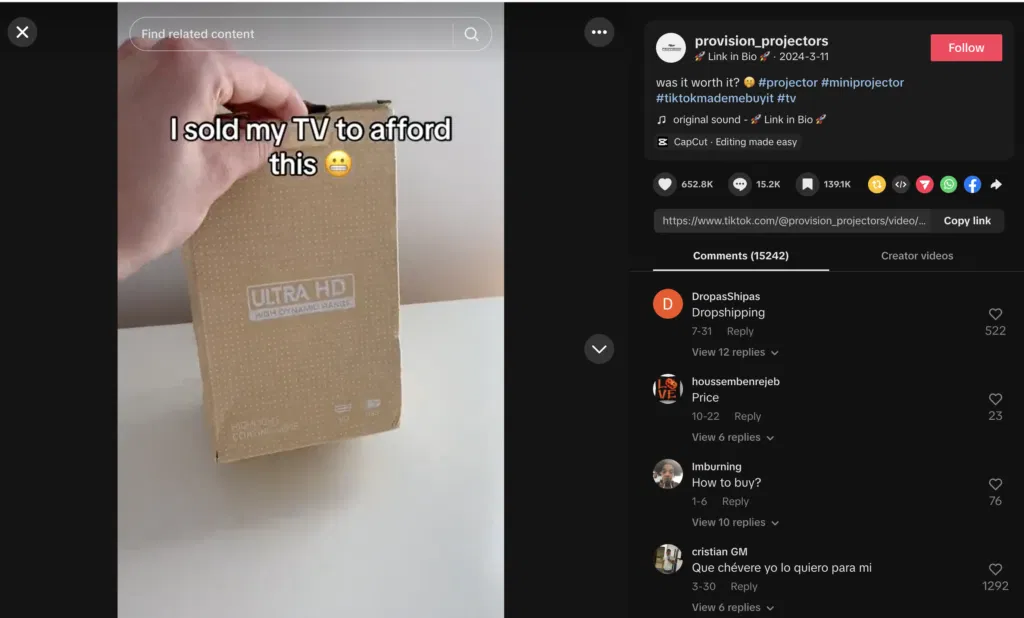
- Search your niche on TikTok and check hashtags with millions of views, like #TikTokMadeMeBuyIt.
- Watch what creators are posting and how their audience responds. Comments and shares often hint at what people want more of.
- Look for gaps (when people show interest but few sellers offer good options). That’s a sign the niche still has room to grow.
ZIK Analytics
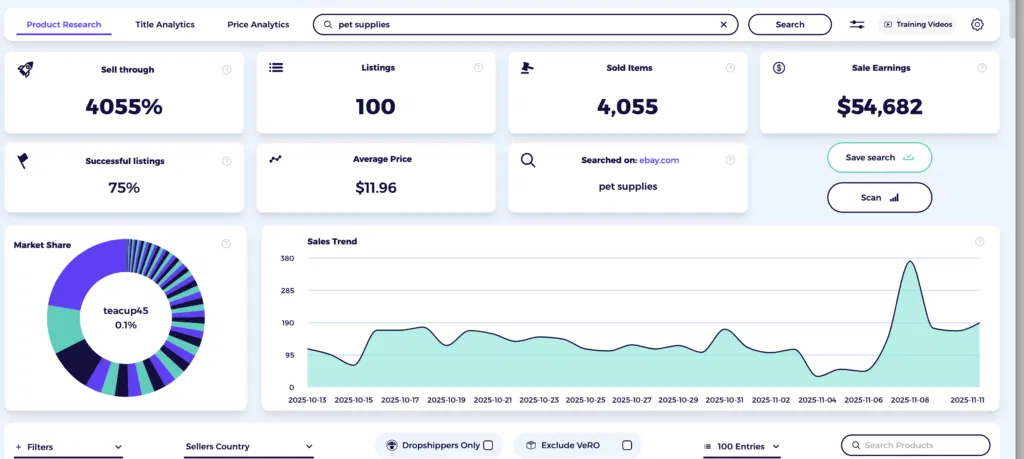
In ZIK Analytics, you can research any dropshipping niche and see real marketplace data before deciding what to sell. Our eBay Product Research Tool gives you a clear overview of how products perform in that niche.
You’ll see data such as:
- Sell-through rate: How many listed products actually sold
- Successful listings: The percentage of listings that made sales
- Average price: What buyers are paying across listings
- Sales trend: How sales have changed over time
You can also check the Shopify Product Explorer to view top-selling products from Shopify stores. It lists the upload date, price, 7-day and 30-day sales, and estimated revenue for each item.
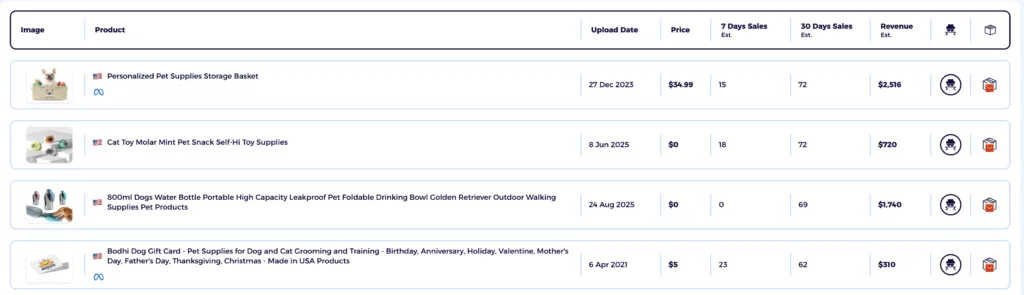
Look for products with steady sales and consistent growth. These are usually signs of a stable niche that’s worth testing in your store.
Step 3: Research Your Competitors
Competitor research helps you find products that already sell well. It also shows how other stores price items and attract customers.
ZIK Analytics’ Shopify Store Analyzer makes it easy to research dropshipping competitors. Here’s how it works:
- Paste any Shopify store link. ZIK pulls live data, including sales, product count, revenue, and marketing channels.
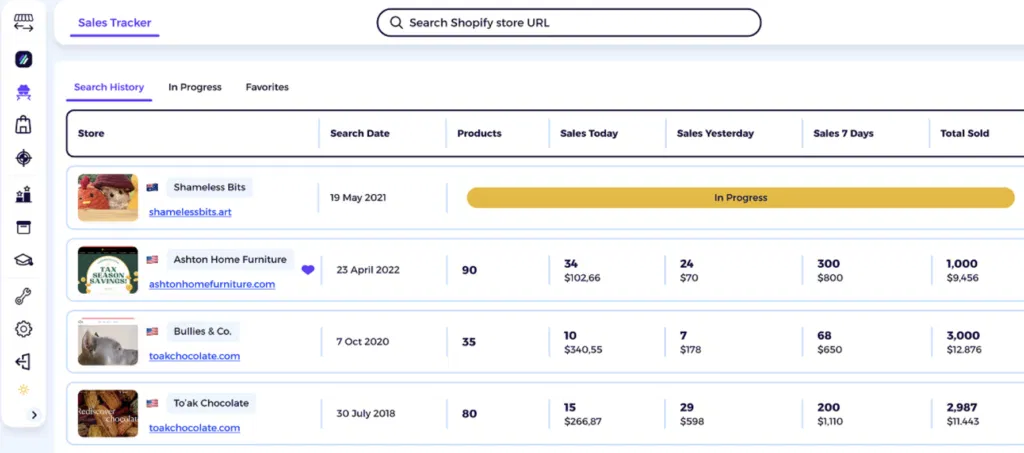
- See which products sell best. View 7-, 14-, and 30-day sales to spot trends early.
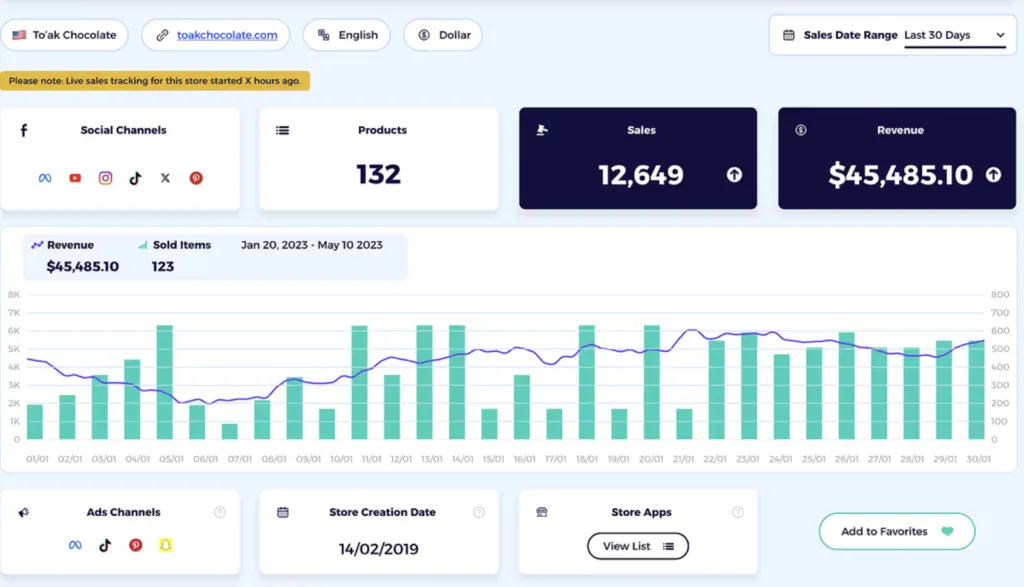
Find and source products fast. Open Product Explorer to locate cheaper suppliers and check your profit margins.
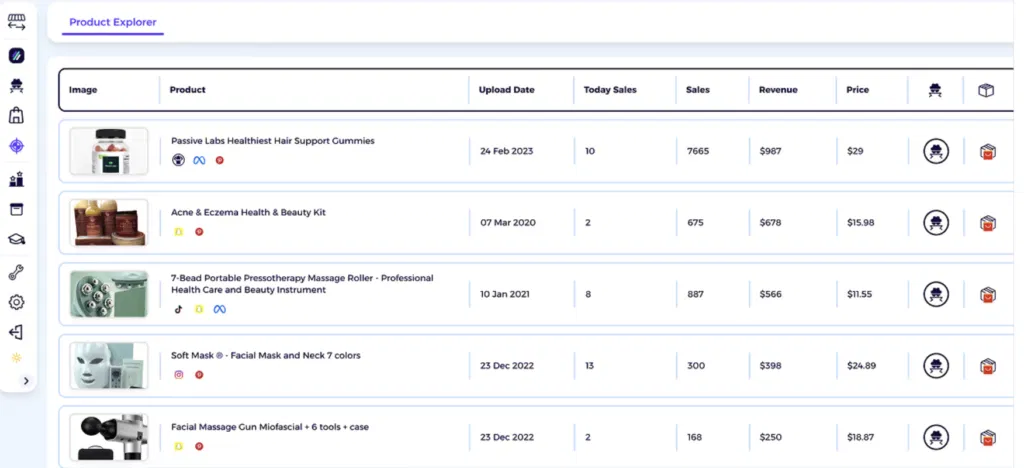
Studying other stores helps you pick products with proven demand and price them in a way that keeps your store competitive.
Step 4: Find Trending Products in Your Niche
Next, it’s time to find products people are actually buying.
You can start with ZIK Analytics’ Shopify Market Insights. It shows trending Shopify and AliExpress products with live sales data such as price, units sold, and total revenue.
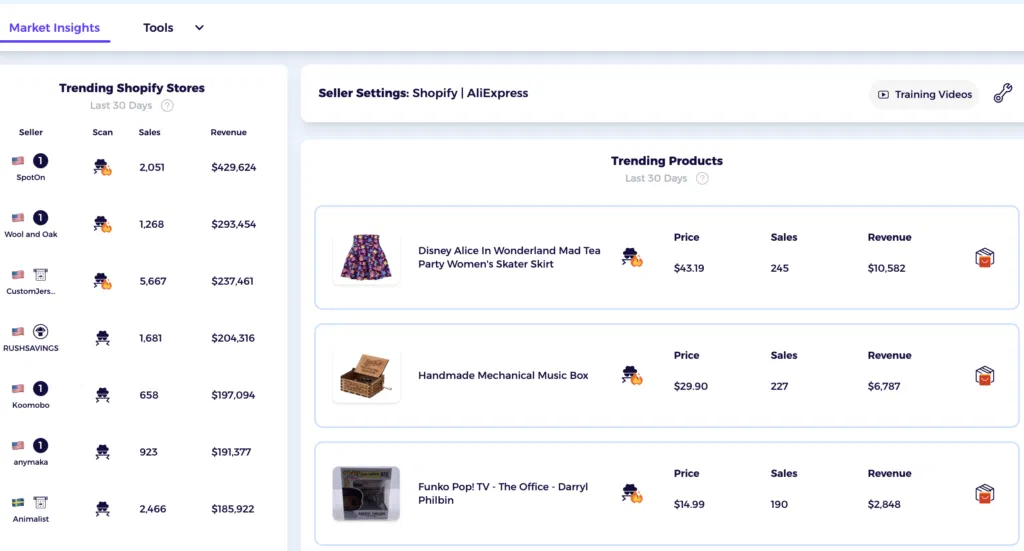
You can also check TikTok or Pinterest to spot products that keep showing up in posts and videos.
And if you want more product ideas, you can search for your product keyword on Google Trends.
If people keep looking up or discussing the item on social, it’s a sign that it has genuine demand among audiences.
Step 5: Choose Suppliers
Choosing the right suppliers determines how your business operates on a day-to-day basis. You want partners who can handle orders smoothly and deliver them to customers on time.
Start with dropshipping platforms like DSers and Spocket. DSers connects to AliExpress and lets you compare suppliers for the same product. Spocket focuses on suppliers in the US and EU, which helps reduce delivery time
You can also search directly on AliExpress or Alibaba to find suupliers in your dropshipping niche. Look for stores with steady order volume and positive customer reviews.
Inside ZIK Analytics, tools like Market Insights and Product Explorer help you see which suppliers are behind trending products.
You just click on the box icon in the column of a product listing, and each tool gives you a list of matching suppliers across AliExpress and Alibaba.
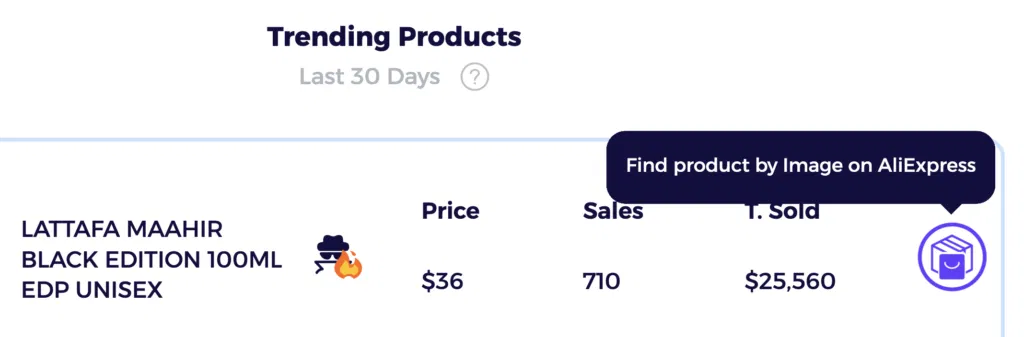
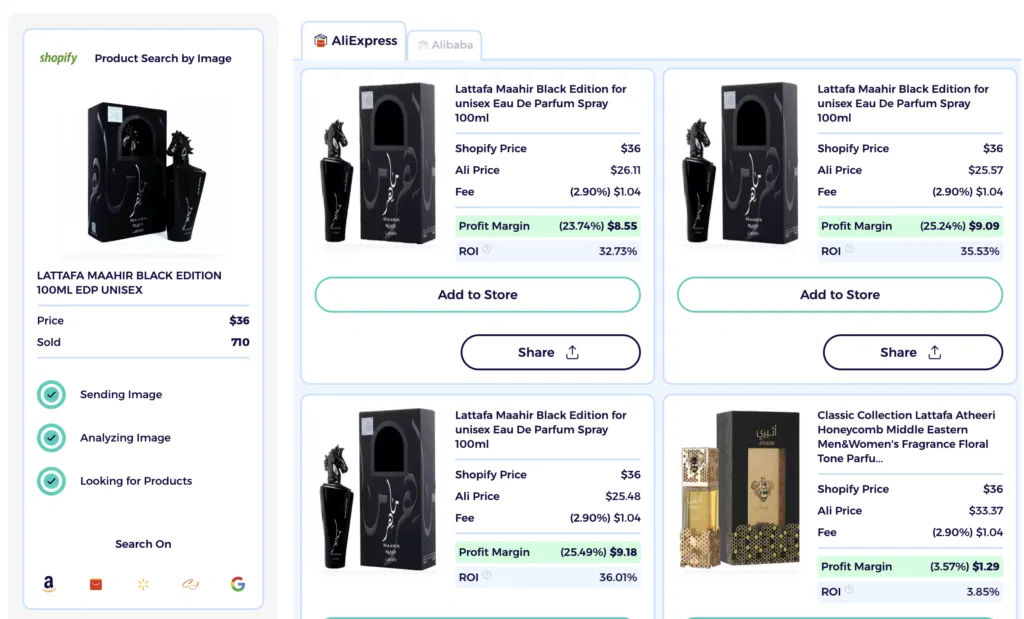
That saves you time by pointing you toward sellers already moving inventory in your niche.
Step 6: Test Run the Suppliers
How do you know if a supplier will follow through on what they promise? By running a few simple tests that indicate how they might perform in real situations.
Here’s what to do:
- Place a sample order: Order the product and ship it to yourself. Check the quality, the feel of the material, and whether it matches the photos you plan to use.
- Track the delivery: See how long it takes to ship and arrive. If the supplier promised fast processing but took a week just to send the item, that’s not a good sign.
- Check the packaging: Look at how the product is packed. Make sure it’s protected well and doesn’t arrive with supplier logos or invoices that your customer shouldn’t see.
- Test communication: Message the supplier with basic questions about stock or returns. A reliable supplier responds quickly and gives clear answers without dodging questions.
- Simulate a minor issue: Send a follow-up message saying you received the wrong color or size. The supplier’s response indicates what your customers might experience if anything goes wrong.
Step 7: Build Your eCommerce Store
At this point, you have products lined up and a supplier ready to ship. Now you need a place to sell.
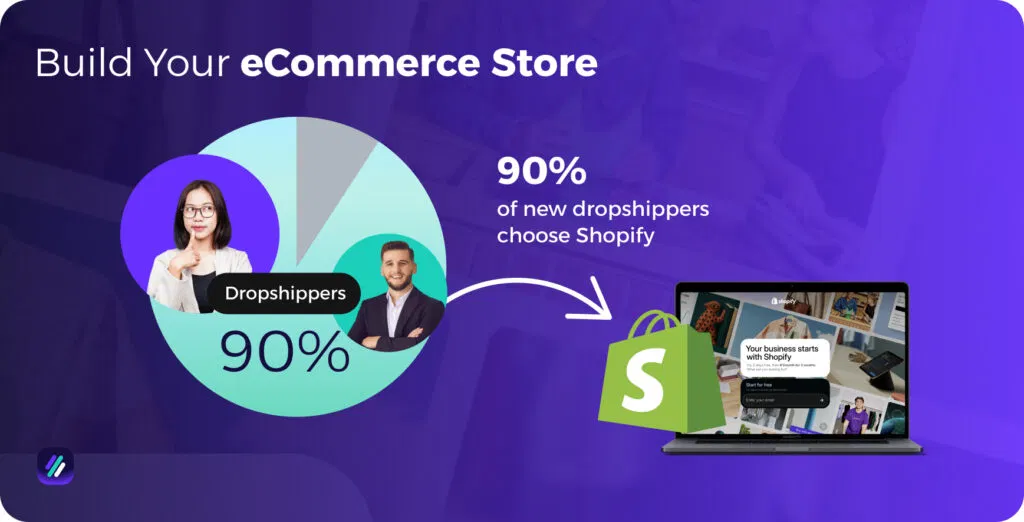
Many platforms let you create an e-commerce store without coding. Examples include Shopify, Squarespace, Wix, and BigCommerce. Based on industry data, about 90% of new dropshippers choose Shopify because it’s quick to set up and gives you full control over branding and pricing.
If you don’t want to build a store yet, you can start selling on a marketplace like eBay and list products directly. It’s low commitment and lets you test demand without designing a site.
When you’re ready to build your own store, ZIK Analytics can handle the setup. Our Shopify AI Store Builder creates your store layout, homepage, and structure based on your niche.
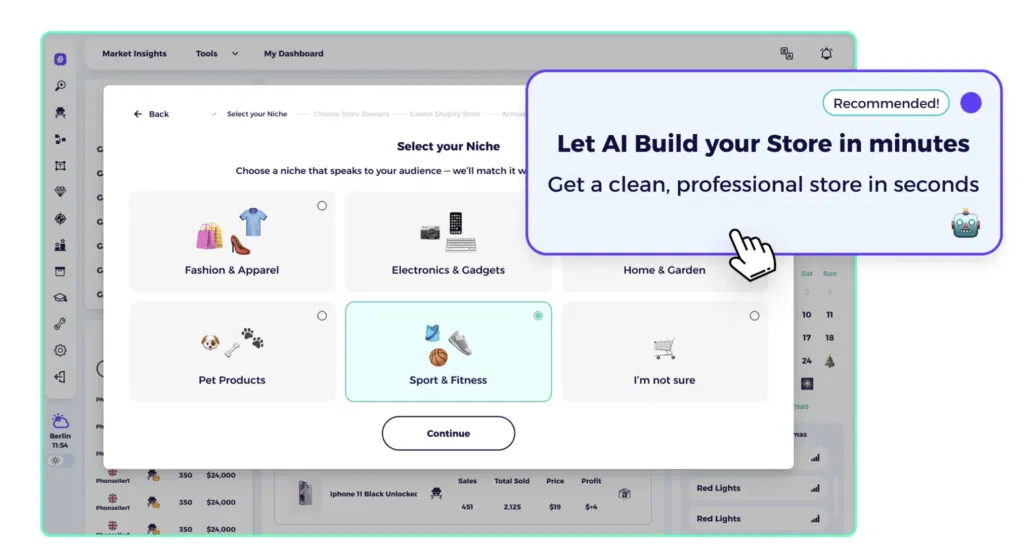
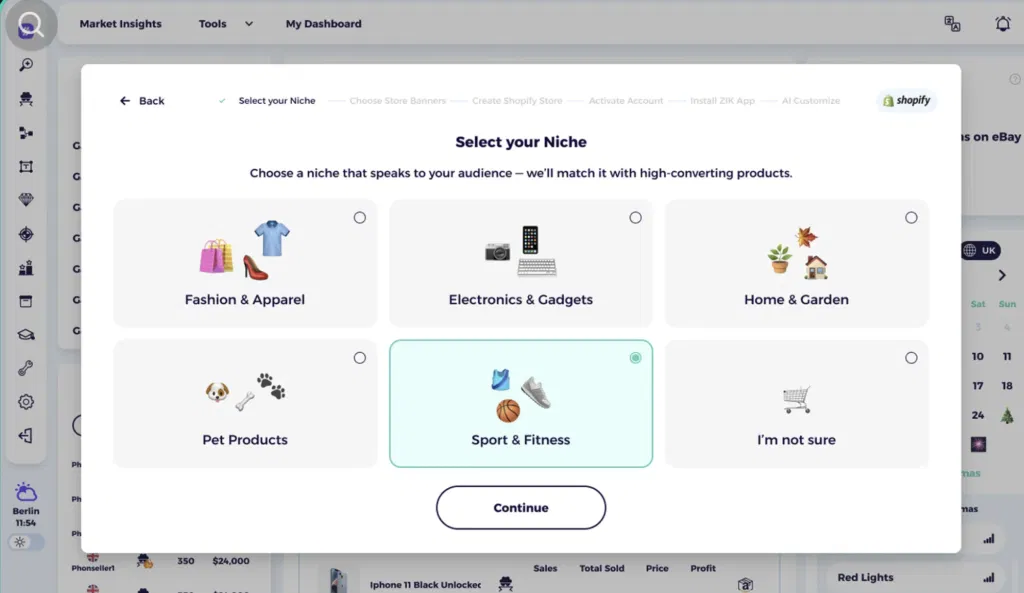
Here’s how it works:
- Pick a niche: Choose one yourself or let the AI suggest one based on what is currently selling.

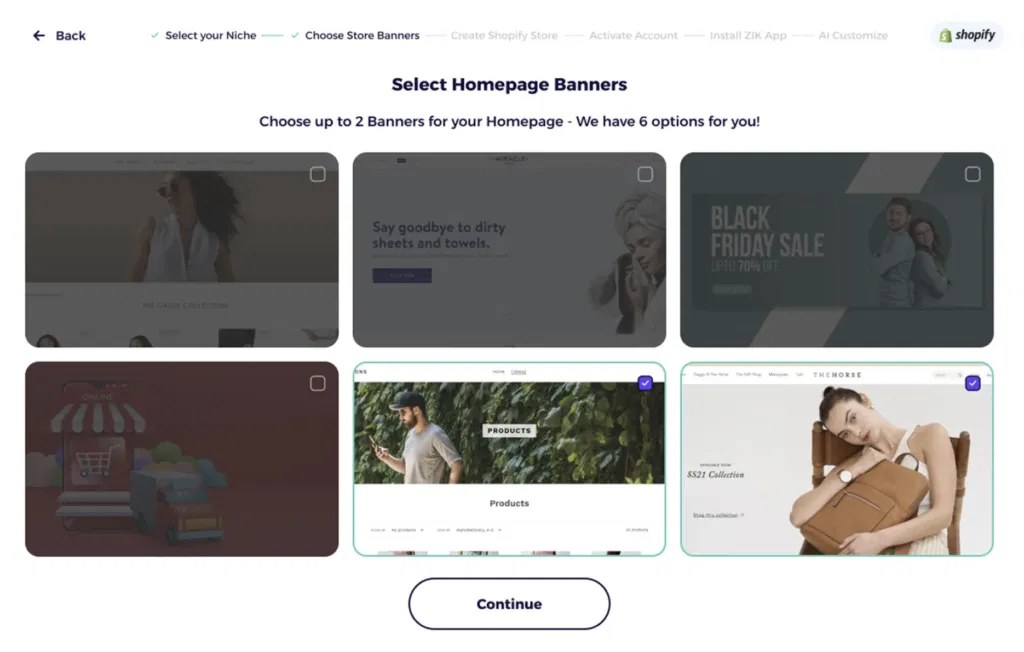
- Customize the store: The homepage and branding are generated for you. You can adjust colors, banners, and layout.
- Connect ZIK Analytics: Install the ZIK Analytics app so you can research products, source from suppliers, and check competitors.
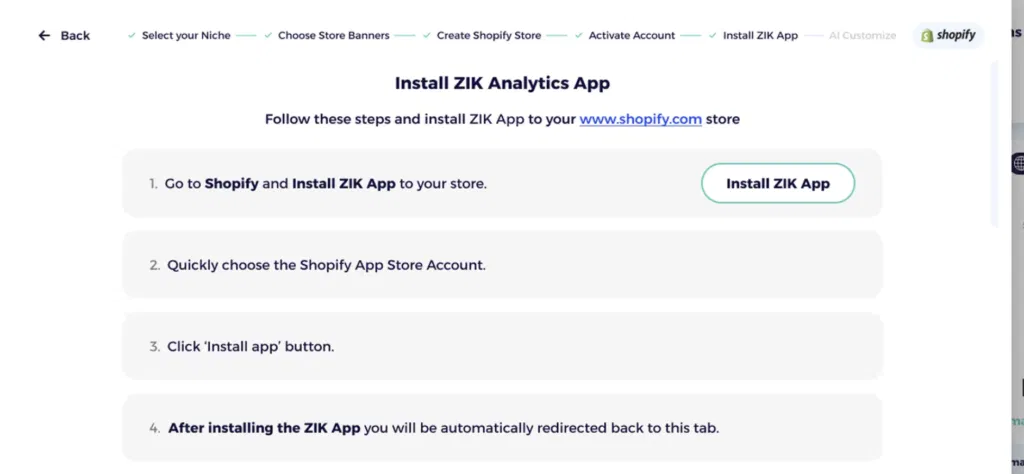
- Customize with AI: Let AI handle the heavy lifting, and then you can add the products you researched earlier.
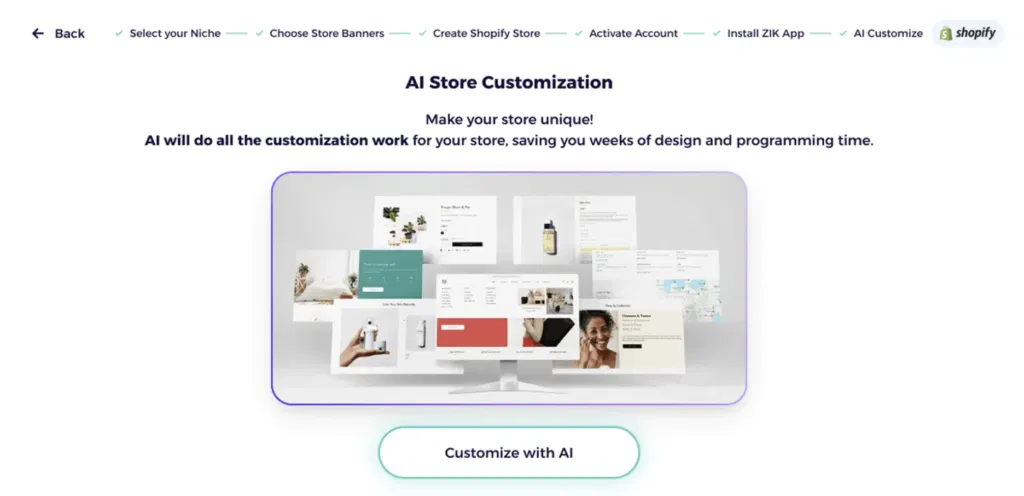
You don’t need design skills or coding knowledge to use the tool. With AI guiding every step, you go from choosing a niche to launching a ready-to-sell Shopify store in minutes.
Step 8: Product Page Optimization & Inventory Management
Once your store is live, your next goal is to make each product page convert and keep your inventory running smoothly. Both affect how customers see your brand and how easily you can scale.
For product pages:
- Add several clear images and short clips so shoppers can see the product from every angle
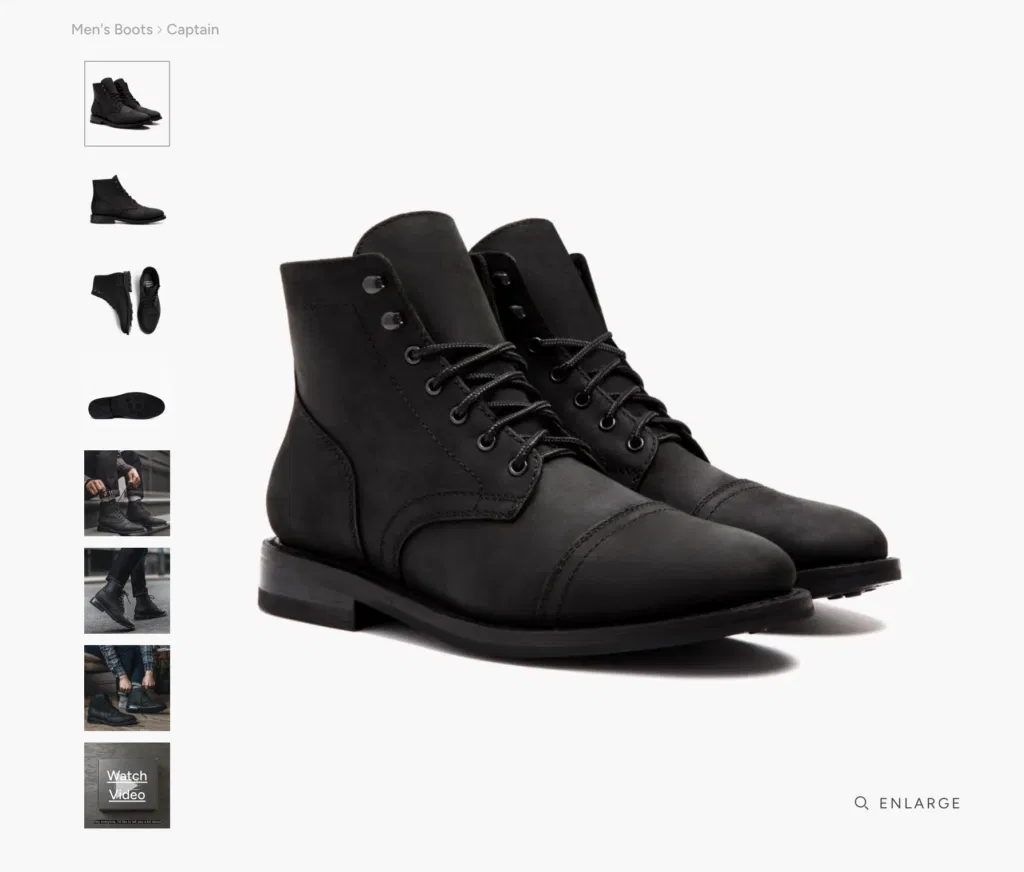
- Write descriptions that focus on what the product does for the buyer, not just its features
- Explain prices, shipping times, and returns upfront to prevent hesitation
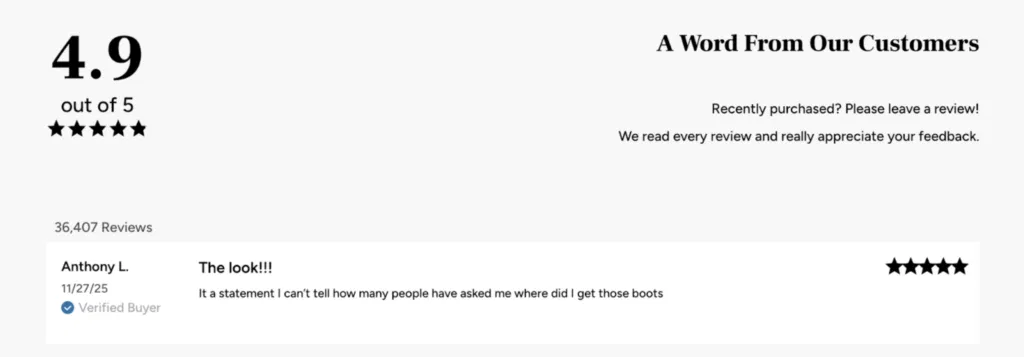
- Include verified reviews or UGC to build trust in your store
- Place your “Add to Cart” button where it’s easy to find on both desktop and mobile
As for inventory, you can save yourself a lot of trouble by automating stock updates and syncing them with your suppliers. Tools like AutoDS or DSers can help you pause or hide products the moment they go out of stock with your supplier, preventing overselling and refund headaches.
Step 9: Create a Business Structure
Once you start getting sales, you’ll eventually need to register your business.
Most beginners start as sole proprietors because it requires almost nothing to get started. In many countries, you can operate as a business the moment you start selling. You may choose a business name, register it (called a DBA in the U.S.), and get an EIN from the IRS so you can open a business bank account.
As your store grows, forming an LLC is usually the next step. An LLC creates a separate legal identity for the business. Setting one up is straightforward: choose a name, file the LLC with your state or country, and get an EIN. Once approved, you can open a dedicated business bank account and run everything under the company name.
Step 10: Setup Your Business Bank Account
Once your business is incorporated, you can consider opening a separate business bank account.
A separate account helps you:
- Track income and expenses without digging through personal transactions
- Protect your personal assets (important if you formed an LLC)
- Stay ready for bookkeeping, taxes, and supplier payments
What you need to open an account:
- EIN (or local tax ID)
- Business name and registration documents
- Your ID
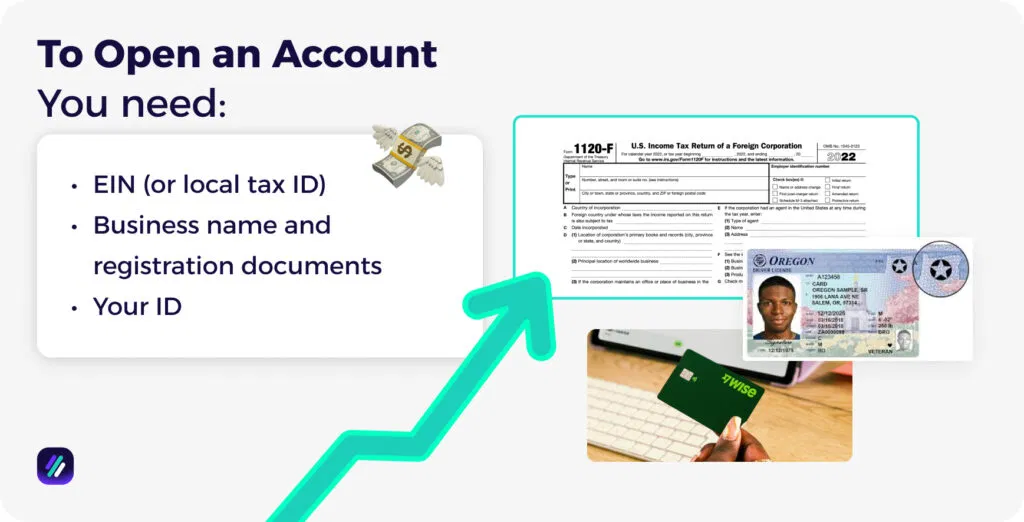
Most dropshippers use digital business banks like Wise Business and Mercury because they support multiple currencies and low-fee international payments.
Once the account is open, you can connect it to your e-commerce platform and payment processors (Shopify Payments, PayPal, or Stripe) to streamline your payments.
Step 11: Set up Your Order Fulfillment, Customer Service, and Returns
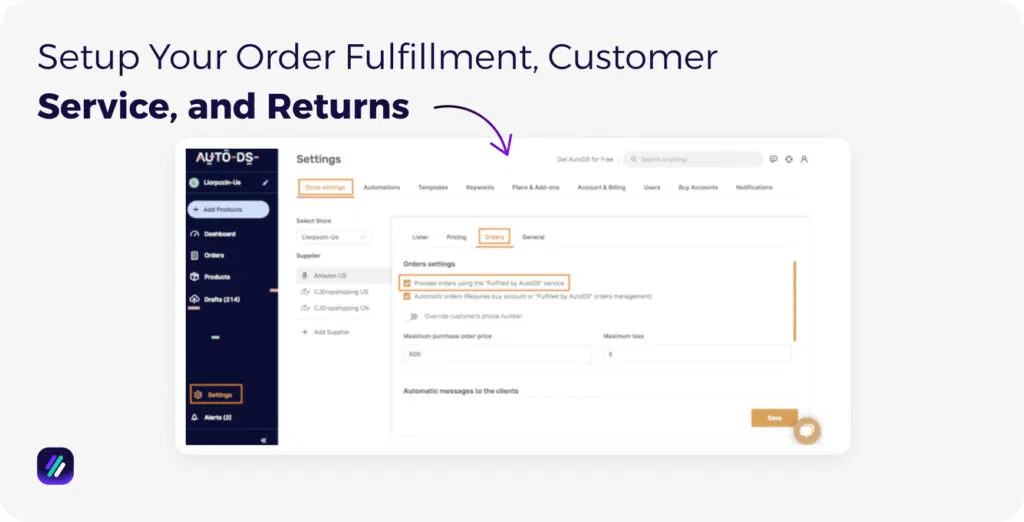
Once your business is running, you’ll need to manage how orders go from purchase to delivery.
First, streamline order fulfillment. Install an app like DSers or CJdropshipping to automate the process. When a customer places an order, the app sends it to your supplier, who ships the product directly.
These apps also sync tracking info automatically, meaning customers can follow their orders without reaching out.
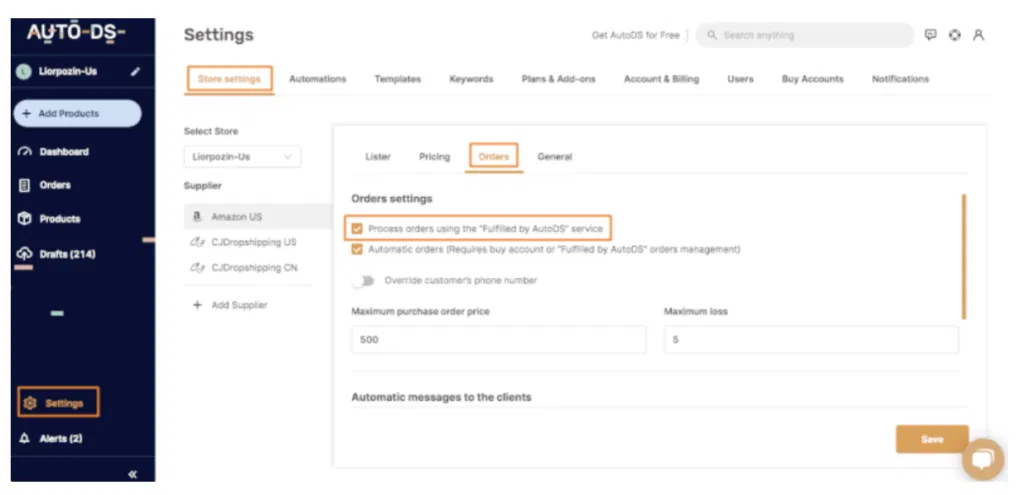
Next, set up customer service. Add a simple contact page and create an email like support@yourstore.com. You can also use live chat or social media messaging for faster responses.
Finally, handle dropshipping returns the right way. This is crucial because the experience you provide after the sale matters as much as the experience before it.
When a customer requests a return:
- Reply quickly and confirm the issue
- Contact your supplier to check their return process
- Send clear instructions to your customer, including a return label if the supplier provides one
Step 12: Start Marketing Your Dropshipping Business
Marketing is where your dropshipping store comes to life. It’s how you take your business from being just another online shop to a brand people actually remember.
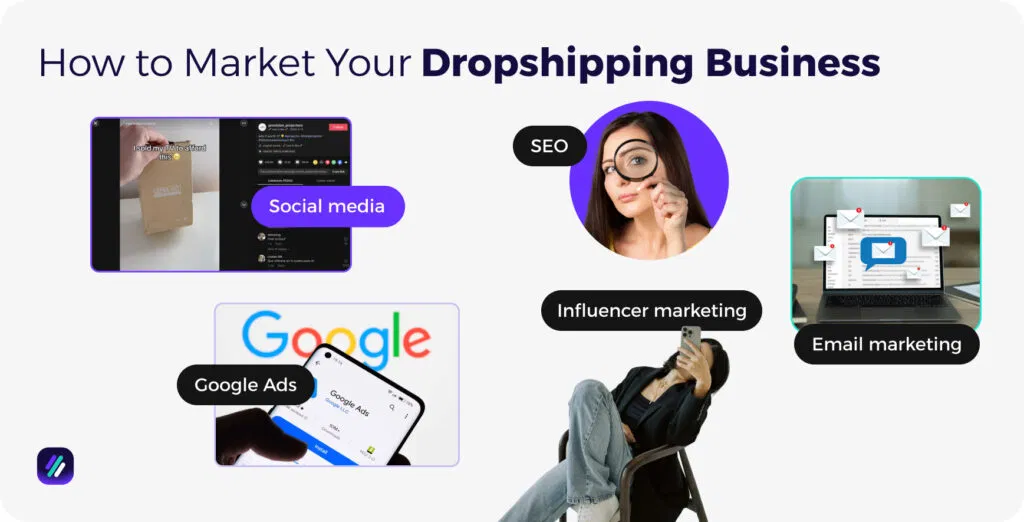
There are several ways to market your dropshipping business:
- Social media: Create short, authentic videos on TikTok, Instagram, or Facebook showing your products in action to attract attention and build trust.
- Google Ads: Run search ads that target buyers already looking for products like yours to bring quick, high-intent traffic.
- SEO: Optimize your product titles and descriptions with natural keywords so your store ranks for organic searches over time.
- Influencer marketing: Partner with small, engaged creators who can show your products to their audiences in a genuine way.
- Email marketing: Collect emails through discounts or guides, then send updates and offers to turn one-time buyers into repeat customers.
Step 13: Monitor, Measure, & Scale Your Business
You’ve launched your store and made a few sales. But how do you know if your business is actually growing? The answer is simple: track your numbers and use them to make better decisions.
Start by checking how much profit you’re really making after product costs, ads, and fees. A sale only counts if it leaves money in your pocket. Look at your ad results too; if you’re spending more to get a customer than you earn from them, it’s time to adjust your campaigns.
You should also measure how your store runs day to day. Track how long it takes to ship an order and how often customers ask for refunds or support. If shipping is slow or issues repeat, it’s a sign your supplier or product setup needs work.
Some tools that can help:
- True Profit: Shows your real profit per order by combining data from your store, ads, and supplier costs.
- Shopify Analytics: Tracks your sales, traffic, and conversion rates in one simple dashboard.
- Google Analytics: Helps you see where your visitors come from and which pages make them buy.
AutoDS: Automates tasks like stock syncing, order updates, and supplier tracking so you can focus on growth.
What is Dropshipping and How Does it Work?
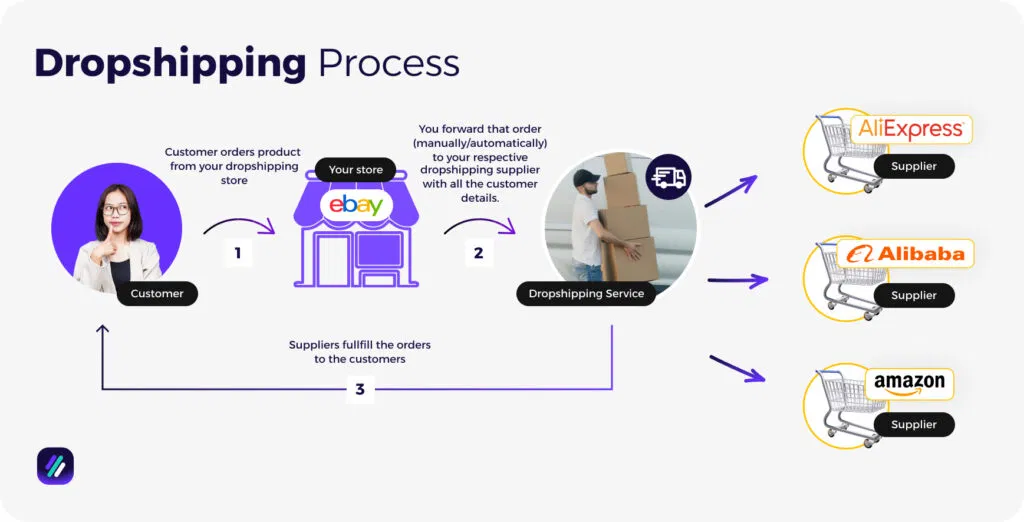
Dropshipping is a business model that lets you sell products online without keeping any stock. You act as the middle person between a customer and a supplier. When someone buys from your store, the supplier ships the product directly to them.
Dropshipping typically involves:
- A customer placing an order on your online store
- You forwarding that order to your supplier
- The supplier packaging and shipping the product to the customer
Here’s an image depicting how the process works.
Why is Starting a Dropshipping Business So Popular?
Starting a dropshipping business is popular because it feels simple and doable. You don’t need to buy stock or rent a warehouse. Once someone places an order, your supplier ships it straight to them.
The industry’s growing fast. In 2025, dropshipping hit $372 billion in market value, with almost a quarter of all online sales coming from stores that use this model.
Shipping has come a long way, too. Suppliers in China can now deliver within 7–10 days, which used to take weeks.
Moreover, automation has reduced the time it takes to get up and running. Around 75% of dropshipping stores use tools that handle things like inventory syncing, supplier updates, and order tracking.
Thes are the main reasons dropshipping keeps getting more popular every year.
Get the eBook and learn how to launch your one-product Shopify store right!Dropshipping Best Practices
There are a few things you can do to improve your chances of being successful with dropshipping:
- Select a profitable niche: Choose a niche with steady demand and reasonable competition. Aim for products people buy repeatedly and that leave enough room for profit after ads and shipping.
- Provide great customer support: Be quick, be kind, and be clear. How you handle one complaint says more about your store than ten perfect orders ever will.
- Manage your inventory levels: Sync your store with your suppliers so you always know what’s in stock. It prevents overselling and saves you from refund headaches.
- Research the market: Before adding products, see who else sells them and how they market them. Learn what works for them so you can do it better.
- Write an effective return policy: Make your return policy simple and clear. When customers know they can get help if something goes wrong, they’re more likely to buy.
- Focus on marketing: Don’t wait for traffic to find you. Use short videos, product photos, and ads to show up where your audience already scrolls.
- Maintain healthy profit margins
- Own your supplier’s mistakes: When something goes wrong, take the hit and fix it fast. Customers remember how you handle problems more than the problem itself.
- Adopt simple shipping rules
- Check on item availability: Don’t trust listings blindly. Check stock regularly so customers aren’t waiting weeks for something that’s out of stock.
- Consider phone support: Even a few phone hours a week build trust. Sometimes people just want to talk to a real person before placing an order.
- Fulfill orders intelligently: Stick with suppliers who deliver quickly and provide tracking. Smooth fulfillment keeps customers happy and avoids refund requests.
- Handle chargebacks quickly: If a dispute comes up, act fast. Provide proof of delivery or issue a refund to protect your account and show professionalism.
- Market your dropshipping business: Talk about your products like a real person. Post stories, share results, and keep your brand present even when you’re not selling.
- Use high-quality product images: Show your products in bright, clear lighting and from multiple angles. Quality visuals help customers feel confident before buying.
- Demand forecasting: Track your sales patterns to predict which products will sell next month or season. Planning ahead keeps your store stocked and ready.
Common Dropshipping Mistakes to Avoid
If you’re just starting your dropshipping business, a few missteps can slow you down before sales even begin. Here are the mistakes you’ll want to avoid:
- Selling without checking demand: It’s easy to list what you like, but that doesn’t mean people want it. Use tools like Google Trends or ZIK Analytics to see what’s actually selling before you spend on ads.
- Working with the wrong supplier: Many beginners trust the first supplier they find. Always check reviews and order samples before you make a commitment.
- 3. Designing a cluttered store: Too many pop-ups, banners, or long descriptions make shoppers leave. Keep your layout clean and easy to navigate so customers can buy without distractions.
- 4. Neglecting customer support: Most refund requests start because customers feel ignored. Respond quickly and let them know what’s happening. Even short, polite updates can turn a complaint into trust.
- 5. Forgetting your dropshipping returns policy: Keep your return policy visible and easy to read. Plus, make sure it matches your supplier’s rules so you don’t promise what you can’t deliver.
Best Dropshipping Resources
You can cut short the time it takes to launch a dropshipping business by learning from reliable sources. Here are some of the best places to get practical knowledge:
Websites:
- ZIK Analytics Blog — shows you how to find winning products and analyze competitors.
- Shopify Blog — covers everything from store setup to scaling your business.
- AutoDS Blog — explains automation, supplier management, and trending product ideas.
Courses:
- Shopify Dropshipping Course (ZIK Analytics) — teaches how to build and grow a profitable Shopify dropshipping store.
- eBay Dropshipping Course (ZIK Analytics) — This dropshipping course walks you through product research, listing optimization, and account management.
Communities:
- Reddit – /r/dropshipping — join real conversations, ask questions, and learn from sellers at every level.
- Shopify Community Forums — connect with other store owners, get technical help, and discover strategies that actually work
- eCommerceFuel — access a private community of experienced sellers sharing tactics, supplier contacts, and growth tips
Video:
- ZIK Analytics YouTube Channel — features tutorials, product research demos, and strategies for both Shopify and eBay sellers.
- AutoDS YouTube Channel — offers step-by-step guides on automating and scaling your dropshipping business.
- Wholesale Ted YouTube Channel — provides practical advice on finding profitable products, building stores, and growing sales across platforms.
Find Trending Dropshipping Products with ZIK Analytics
Phew! That was a lot to take in, but we’ve covered everything you need to start your dropshipping business.
Now it’s time to put it all into action. Remember, ZIK Analytics has the tools to help you every step of the way.
Our Shopify sales tracker gives you a live overview of any store’s revenue and best sellers. If you need product ideas, the Shopify product explorer shows you what’s performing well across thousands of stores and connects you with suppliers right away.
For a bigger picture of the market, you can check our Shopify market insights. With daily sales trends and performance breakdowns, you can make data-driven decisions that fuel your growth.
Don’t worry if you are inexperienced or have never launched a business before. Start your dropshipping journey with ZIK Analytics.
FAQs about How to Start Dropshipping Business
In this section, I’ll answer the frequently asked questions about how to start a dropshipping business.
Is dropshipping easy to start?
Yes, dropshipping is easy to start. You can launch without buying inventory, and suppliers handle shipping, which keeps costs low. That said, dropshipping isn’t effortless. You still need to research products, work with reliable suppliers, and manage customer expectations. As long as you follow best practices, launching and running a dropshipping business should be fairly simple.
Can you start a dropshipping business with no money?
Yes, you can start dropshipping with no money. You can list products without buying inventory and use free trials to launch a store. Just know that without a budget, progress is slower. Paid tools and basic advertising later help you test products faster and grow past the first few sales.
Can you make $1000 a month dropshipping?
Yes, you can make $1,000 a month with dropshipping. However, it might take you a while as you test products and refine your marketing. The timeframe also depends on the type of business you run. For example, Berluti dropshipping can help you reach that figure earlier since luxury items bring higher profit margins.
Is dropshipping based on luck?
No, dropshipping isn’t based on luck. It’s based on the time and effort you put into learning the process and then implementing it. While luck might play a small role in catching a product trend or going viral with a campaign, your choice of products, suppliers, and dropshipping marketing strategies will determine whether or not you make money with dropshipping.
What is the success rate of dropshipping?
The success rate of dropshipping is around 10–20%. However, you shouldn’t take this as a sign that it doesn’t work. Many people fail because they skip research and expect fast results. With planning, testing, and patience, you can be among the few who make it work long-term.