
Alibaba is home to over 200,000 active suppliers offering wholesale pricing across nearly every product category. Shopify gives you the tools to build, customize, and scale your own online store without technical complexity.
But how do you properly move products from Alibaba to Shopify and start selling them the right way?
In this guide, you’ll learn how to source products, vet suppliers, import listings into Shopify, manage shipping, and avoid common Shopify mistakes that can hurt your margins.
Why Sell on Shopify?
Selling on Shopify makes good sense as the platform gives you full control over branding and customer experience.
According to recent data, Shopify has over 4.8 million active stores and processes more than $500 billion in sales across all merchants annually.
The platform also offers over 8,000 apps in its App Store and supports sellers in more than 175 countries, making it easy to scale your business globally.
These capabilities are the reason why it’s become one of the most popular choices for online sellers worldwide.
Related: How to Make Money on Shopify
Why Source from Alibaba for Your Shopify Store?
Sourcing products from Alibaba for a Shopify store offers a variety of benefits to a dropshipper.
As Alibaba is primarily a B2B (business-to-business) platform, you get the opportunity to place bulk orders and enjoy discounted pricing. In contrast, platforms like AliExpress are made for B2C (business-to-consumer) selling and mostly offer single units of products at retail prices.
Another advantage of using Alibaba is the ability to customize products. Many Alibaba suppliers let you customize product specifications and add your own logos and branding. This level of control is crucial for starting a private label dropshipping business.
Suppliers on Alibaba also offer dropshipping products higher profit margins by taking the middleman out of the equation. Rather than going through a middleman, you purchase items directly from the source, which then ships the items directly to your customer.
How to Source from Alibaba to Shopify
In this section, I’ll walk you through the steps you need to take to source from Alibaba to Shopify.
Step 1: Find Winning Products
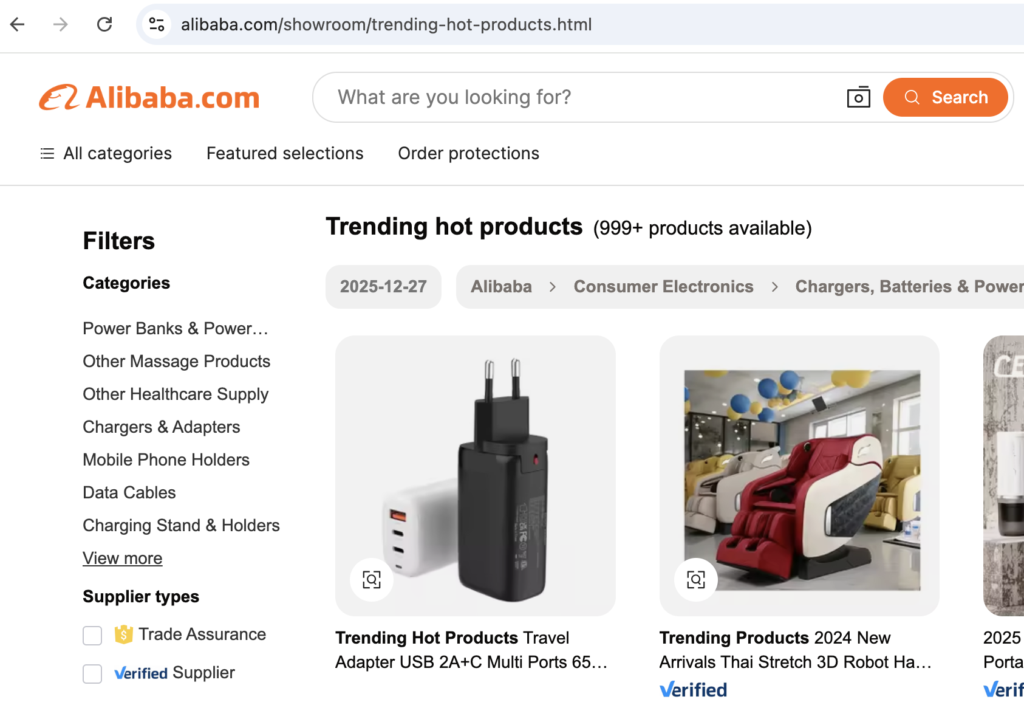
Winning items are products with proven market potential and a unique appeal that attracts customers. You can browse Alibaba’s “Trending” and “Hot Products” sections to see which items have high search volume and recent popularity among buyers. On product pages, look for 1000+ orders in the last 6 months, as it’s a strong indicator of a top performer
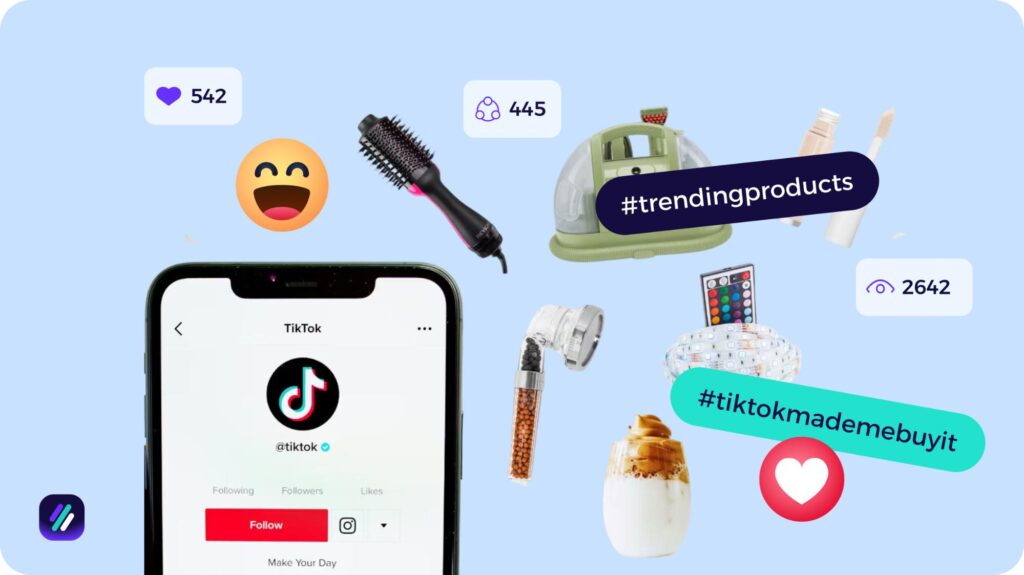
Another way to find winning products is to track which items are going viral on social media platforms. Hashtags like #trendingproducts and #tiktokmademebuyit can help you spot trends that are currently a hit with consumers.
You can also use ZIK Analytics to conduct Shopify product research and validate items before investing in them. Our Shopify Product Finder tool lets you find top-selling products across the Shopify ecosystem and gauge their potential using real sales data.
To use it, log in or create a ZIK Analytics account and choose Shopify as your marketplace.
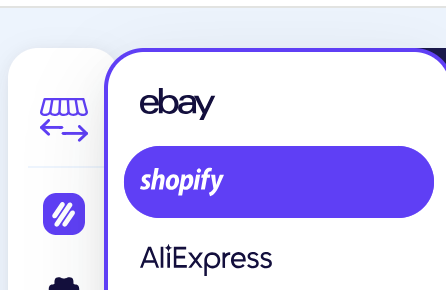
Then choose Product Explorer from the left floating menu to arrive at this dashboard.
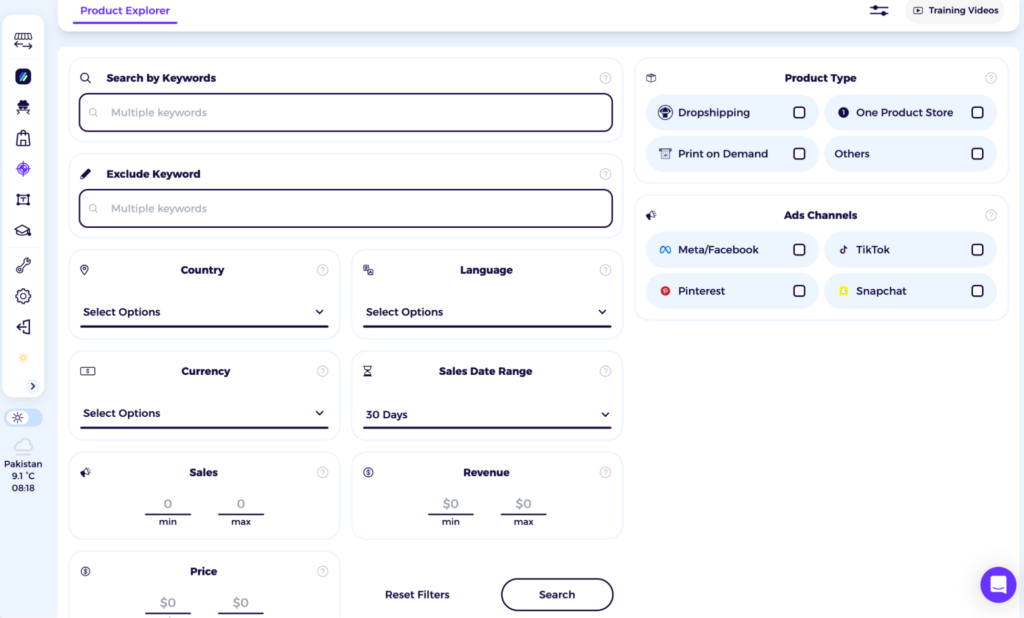
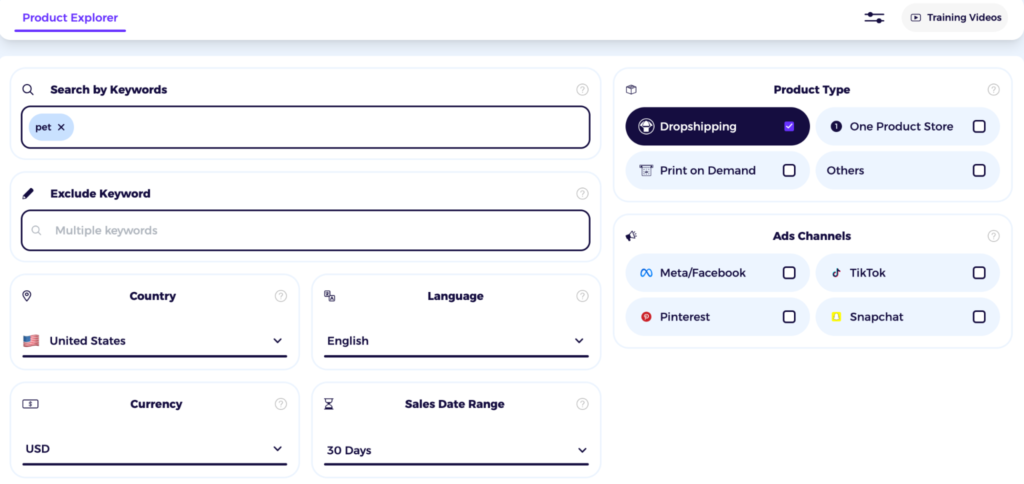
You can then search for any product or niche and apply filters such as product type, minimum and max sales, price range, country, and currency.
As for the results, you can analyze them by upload date, estimated 7-day and 30-day sales, and the estimated revenue.
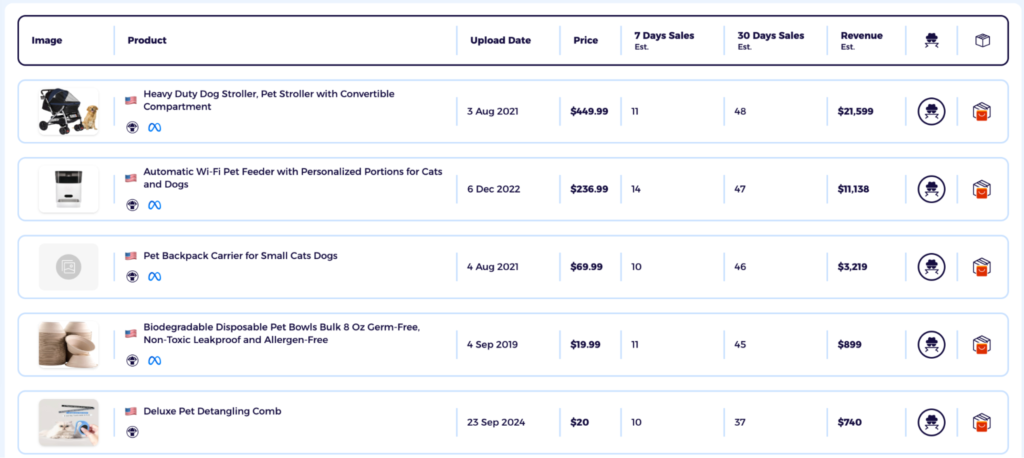
Products estimated to have generated the most sales and revenue are the ones that should be on your radar.
Grab your Shopify dropshipping eBook and find winning suppliers fast!Step 2: Analyzing Your Competitors
The next step is to look into your competitors and see if you can beat them in pricing, in product offering, uniqueness, or in other aspects.
Start analyzing things by visiting competitors’ websites and checking their catalog in full. This means looking not just at the products, but also their individual features, variations, and quality. A deep dive like this can help you spot gaps in their offerings that you could fill, or areas where their product lacks and can be improved upon.
ZIK Analytics’ Shopify Sales Tracker is also available for analyzing the performance of any competing Shopify Store. With trending analytics and daily data refreshes, this tool makes it easy to benchmark successful stores and uncover their winning items for inspiration.
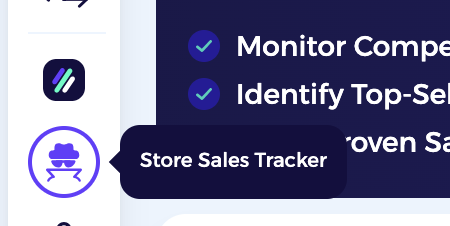
To use it, click on Store Sales Tracker in the left sidebar inside ZIK.
Then enter the URL of the store you want to track in the empty field and click “Search.”

The Sales Tracker will then give you data like estimated sales, estimated revenue, social channels, and the number of products for that store.
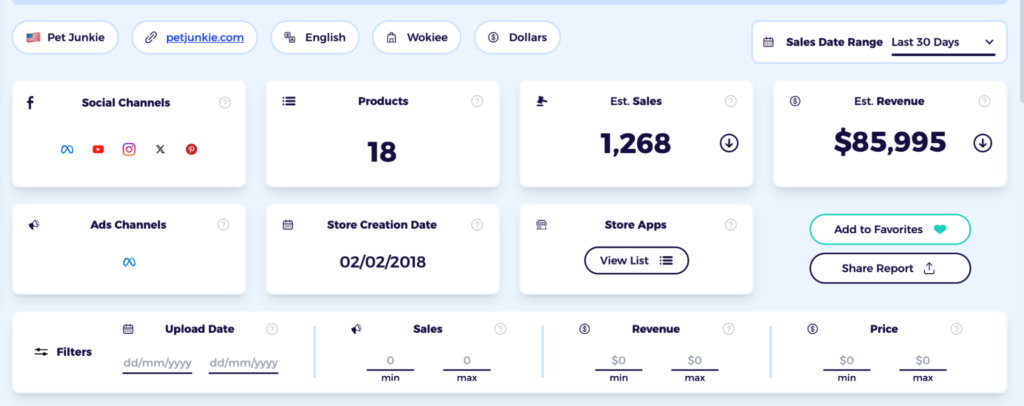
You’ll also see the Shopify theme the store uses, plus view its tech stack to get inspiration for your own store.
Scrolling down will take you to the product view section, where you’ll be able to see the best sellers, recently sold items, and new products for that store.
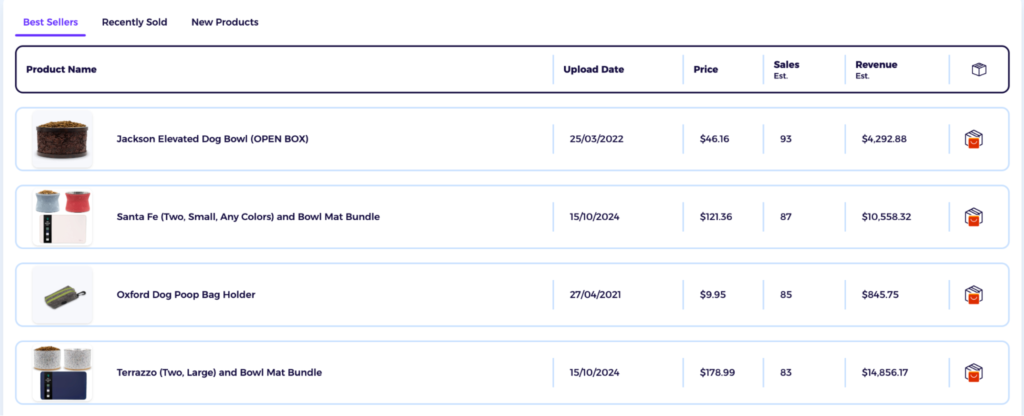
All this data can help identify which items and channels are working for other stores so you can find ways to differentiate your own.
Step 3: Find a Reliable Alibaba Supplier
Once you have products you want to sell, the next step is to find and vet potential Alibaba suppliers.
With ZIK Analytics, you can find relevant suppliers for any item using our Shopify supplier matching tool. Just choose Alibaba as the source website inside your Seller settings with Shopify selected as your marketplace, and then search for a product using the Shopify Product Finder or Shopify Sales Tracker.
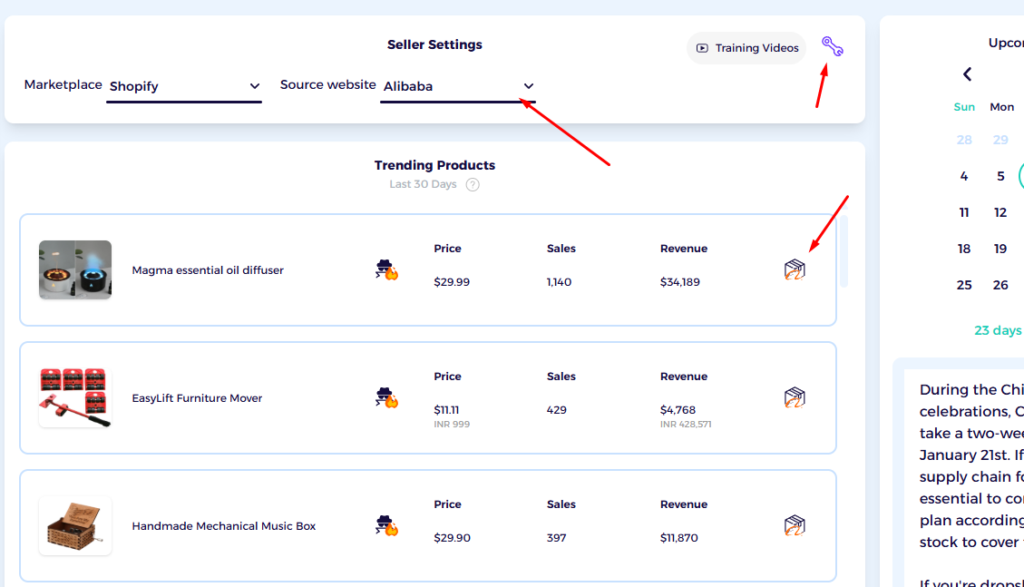
We’ll then run an image search to find suppliers offering the same or very similar items. You’ll also see the product pricing, supplier fees, ROI, and profit margin breakdown. Make sure to click on the second tab as that’ll show you results directly from Alibaba suppliers.
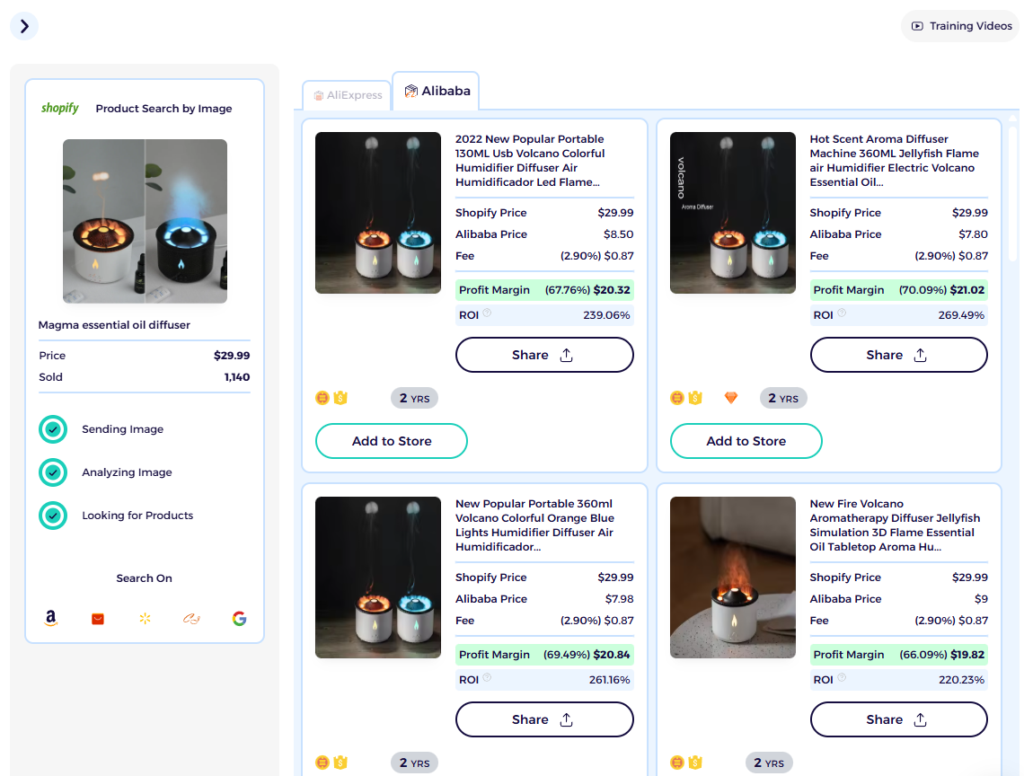
We also show verified supplier badges, Diamond ratings, years of experience, and Trade Assurance status to help you vet suppliers quickly.
Clicking Add to Store imports the item to your Shopify site via ZIK’s AutoDS integration
Step 4: Use Only Alibaba Trade Assurance
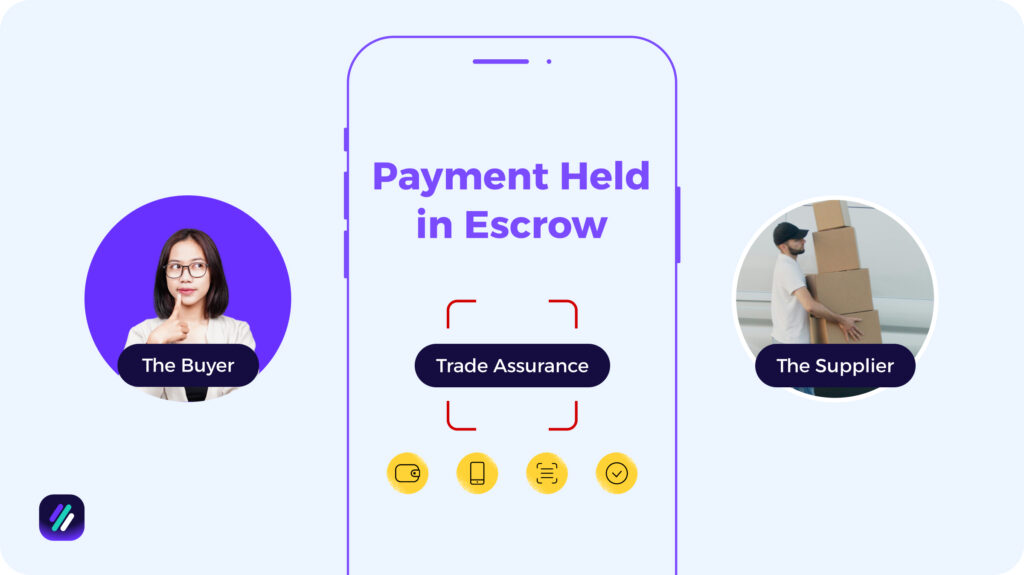
Alibaba Trade Assurance is a payment protection system that holds your funds until you confirm that the items meet the agreed-upon terms.
When placing an order, using Trade Assurance can help you avoid issues with product quality and non-delivery.
To use it:
- Look for suppliers with the “Trade Assurance” badge on their profile
- Mention the MOQ and quality standards in the contract
- Pay through Alibaba’s secure payment system (bank transfers work best for large orders)
- Release payment only after the products arrive and meet your criteria
Step 5: Learn About Customization Options
Suppliers on Alibaba offer a range of customization services. You can check for these by viewing sections related to packaging, branding, or materials.
Some of the options you’ll want to look for include:
- Branding and logo: Many suppliers can print and engrave your specific logo on the packaging or product.
- Material, color, size: You might be able to request specific materials, dimensions, or colors (using Pantone codes).
- Product design (ODM/OEM): Some suppliers can work with you to manufacture a product based entirely on your sketches or unique design. Others can modify an existing design based on your preferences.
- Fast Customization (FC): For smaller businesses or print on demand, you can search for “FC” or filter products using the “Fast Customization” tab. This is a new Alibaba program that offers transparent pricing and low MOQs along with faster dispatch times for a selection of customizable items.

To inquire about extensive customization, it’s best to contact the supplier directly via the built-in chat function. You can also review supplier profiles and go through their certifications and customer reviews to gauge their experience with custom orders.
Step 6: Negotiate Terms
Knowing how to negotiate with suppliers can help you secure favorable terms for your business. Although some people are naturally good at this, anyone can get better at it by taking these steps:
- Know the market: Use ZIK’s tools to research average pricing for your product before contacting suppliers. Having this knowledge helps you identify overly low or high quotes and strengthens your overall position.
- Negotiate the total value: Rather than haggling over a few cents, negotiate around the total value of your initial order and the potential for a long-term partnership. Suppliers are often more flexible when they see potential for consistent future business.
- Be professional and concise: Alibaba suppliers hear from numerous buyers each day. Use simple language and be clear about what you need to make things easy to understand.
Step 7: Place Your Order
After agreeing to the terms, you can place your order with the supplier. Make sure to do this under the Alibaba Trade Assurance program, as it safeguards your payment until you confirm satisfactory receipt of the goods.
You’ll also want to mention product specifics like SKUs, sizes, colors, and materials in the order notes. Packaging or custom branding requirements can also be included to remind the supplier of your needs. If needed, attach a formal purchase order (PO) to make things official with the supplier.
Step 8: Selling Alibaba Products On Your Shopify Store
After you’ve decided which items will make their way onto your Shopify store, think about how you’ll present and market them to potential customers.
- Customize your listings: Change the default descriptions that come from the supplier’s catalog. You can take your own images and write descriptions that sound natural and speak directly to your customers.
- Be transparent about shipping: If the supplier will take about 5-7 days to ship the item, mention that upfront. If shipping costs extra, let the customer know. Just be honest about shipping.
- Promote on the right channels: See where your audience hangs out before launching any campaigns. Maybe the majority of them scroll TikTok all day. Or perhaps they use Instagram and Facebook more often. Knowing where they are can help you focus your marketing efforts in the right places.
- Provide excellent customer service: Yes, the supplier will handle the fulfillment in Shopify dropshipping, but you still need to be there for your customers. Be sure to respond as quickly as possible when customers ask about order status or have questions about products.
![What Makes a Good Dropshipping Supplier_ [Key Criteria]](https://www.zikanalytics.com/blog/wp-content/uploads/What-Makes-a-Good-Dropshipping-Supplier_-Key-Criteria-1024x992.jpg)
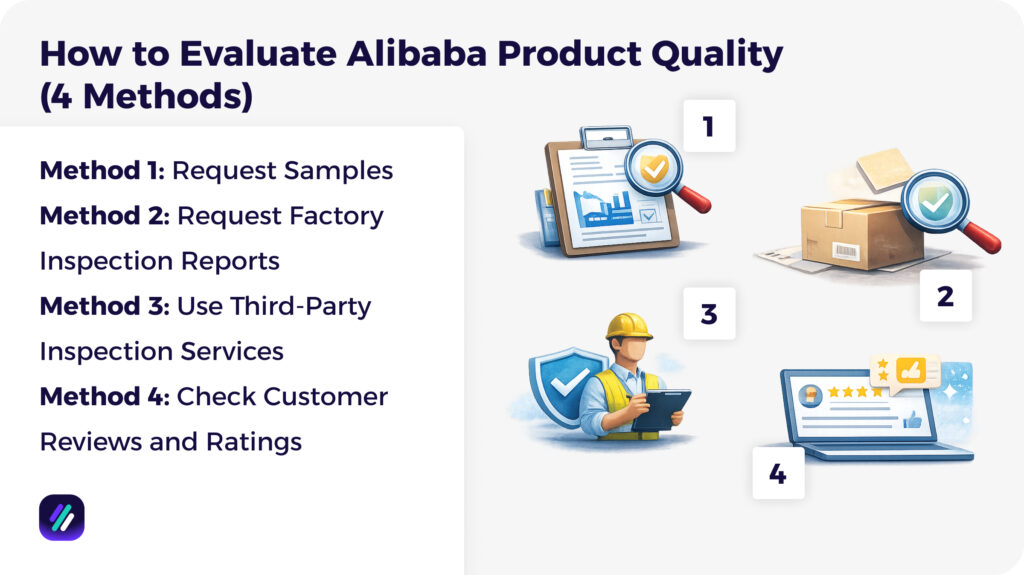
How to Evaluate Alibaba Product Quality (4 Methods)
Before placing a large order with a supplier, you’ll want to inspect the quality of the products they sell. Here are some methods you can use for the purpose:
Method 1: Request Samples
Get in touch with the supplier and ask if they can send you a sample of the item. Buyers are typically asked to pay for this as well as the shipping cost associated with delivering the sample. Once you receive the sample, check for consistency with the supplier’s description, finishing, and durability details.
Method 2: Request Factory Inspection Reports
Factory inspection reports offer an independent, third-party assessment of a supplier’s quality control systems and compliance with industry standards. Common reports include CE, RoHS, and FCC for product testing and ISO 9001 certifications for quality management. Suppliers who share these reports are likely confident in the overall make and functionality of their items.
Method 3: Use Third-Party Inspection Services
For high-value or larger orders, it’s a good idea to hire a third-party inspection service like SGS or QIMA. These services perform a pre-shipment inspection when 80-90% of your order is complete. You’ll get a report containing information about quantities, appearance, and functionality. In some cases, an inspector can also visit the factory to assess quality control processes.
Method 4: Check Customer Reviews and Ratings
You can also learn about a supplier’s product quality by checking customer reviews and ratings. People often share their experience and mention whether items matched expectations or had defects. This way, you might find out things that save you from investing in the wrong items.
Alibaba Supplier Communication: Best Practices
How you communicate with suppliers can have a big impact on whether they agree to do things your way or stick to their standard terms.
Consider using a softer, professional tone that shows respect and builds rapport. For example, instead of saying “Do you have this in blue?” when asking about variations, you can say something like “I really like this design. Is it possible to get it in blue?” Remember that suppliers are humans with emotions and their own business pressures to manage.
You’ll also want to show that you have done your research. Mention details like the product model number, specifications you’re interested in, or how you plan to use the item.
Dropshippers should also ask questions upfront to make sure the supplier is the right fit for their business.
Key Questions to Ask:
- What is your MOQ and price breaks?
- What customization options do you offer?
- What is the production timeline?
- What shipping methods do you support?
- Do you offer Trade Assurance?
- Can you provide product certifications?
Use bullet points for all questions and requirements to make it easy for suppliers to respond to each point individually.
Best Alibaba to Shopify Automation Tools
Automating the Alibaba to Shopify business model starts with choosing the right tools. The following are some of the best solutions available:
- ZIK Analytics: ZIK Analytics automates the process of finding winning products and reliable suppliers from Alibaba. Our tools let you choose items based on their performance across the Shopify ecosystem and match them with suppliers automatically.
- DSers: DSers is an official AliExpress dropshipping partner that streamlines bulk order placement and automatically syncs tracking numbers back to Shopify.
- CJDropshipping: CJDropshipping sources products directly and handles fulfillment from its own warehouses. You also get automated order processing with this tool.
- AutoDS: AutoDS integrates directly with Alibaba to let you import and edit products. It also automates stock and price monitoring to help you avoid selling out of stock items
Find Best Winning Shopify Products with ZIK Analytics
ZIK Analytics offers a suite of tools to help Shopify store owners find and sell winning products with data backing every decision.
However, I specifically want to mention the best tools that make product research and validation easier:
- Shopify Product Finder shows you which products are selling across Shopify stores with real sales data. Search for keywords and filter by sales to identify winning products quickly.
- Shopify Sales Tracker lets you monitor any Shopify store’s performance. Enter a store URL to see daily sales, revenue, and top-performing products. Find the best Shopify suppliers via our auto-image matching tool.
- AdSpy Tool shows you which ads competitors are running on Facebook and Instagram. Search for keywords and filter by platform to see engagement metrics and save winning ads for reference.
You can also use the Shopify Store Finder to discover top dropshipping stores by revenue and marketing channels, then analyze them in the Sales Tracker.
You don’t have to go it alone when researching Shopify products. Get your ZIK Analytics trial and get a partner that helps you find winning products backed by real marketplace data.
Frequently Asked Questions about Alibaba to Shopify
In this section, I’ll answer the frequently asked questions about dropshipping from Alibaba to Shopify:
Is it legal to resell products from Alibaba?
Yes, it is completely legal to resell products from Alibaba on other platforms. However, you must ensure the items meet safety standards and do not infringe on any trademarks or copyrights. Alibaba also expects you to be transparent (e.g., not misrepresent the items as your own unless under a private label contract) and follow the rules of the selling platform (eBay, Amazon, etc.).
Can I import orders to Shopify from Alibaba?
Yes, Shopify allows you to import Alibaba orders into its platform. This was previously done via Alibaba’s Dropshipping Center to sync inventory and automate fulfilment. Although that option no longer exists, you now have apps like AutoDS to help you push Alibaba orders to your store and then handle order placement with suppliers for shipping to customers.
Is it legal to Dropship from Alibaba?
Yes, it is completely legal to dropship from Alibaba to Shopify and other platforms. However, you must check that the items comply with local laws and choose reliable suppliers who offer low minimum order quantities. It’s also important to avoid copyrighted and trademarked items, as these can result in heavy fines and even permanent shutdown of your store.
Should I DropShip from Alibaba or AliExpress?
It’s better to dropship from Alibaba because you can source products at lower prices and get higher-quality items directly from the main source. It also helps when you’re dropshipping on a marketplace like Amazon or eBay, which requires an official working agreement with a wholesaler and the use of your business name on the invoice and packaging.