
Europe is a market that’s too big and too profitable for e-commerce entrepreneurs to ignore.
From the tech-savvy shoppers in the UK to the quality-focused buyers in Germany and France, Europe offers a ton of opportunities to those who sell high-quality products at competitive prices.
But which European country should you focus on first? Is it even legal to dropship in Europe? And what about those pesky VAT rules everyone warns you about?
In this post, I’ll answer these questions and walk you through the steps to start dropshipping in Europe.
Is Dropshipping in Europe Profitable?
Yes, dropshipping in Europe is profitable because of the region’s large e-commerce market and high consumer purchasing power.
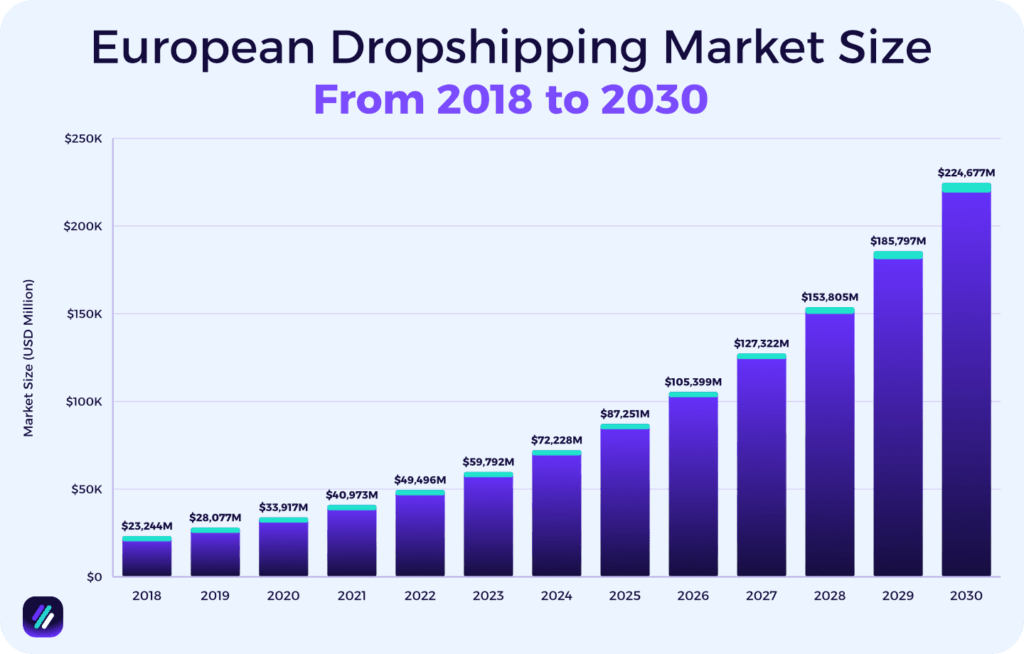
According to Grand View Research, the European dropshipping market is expected to reach $224,676.8 million by 2030.
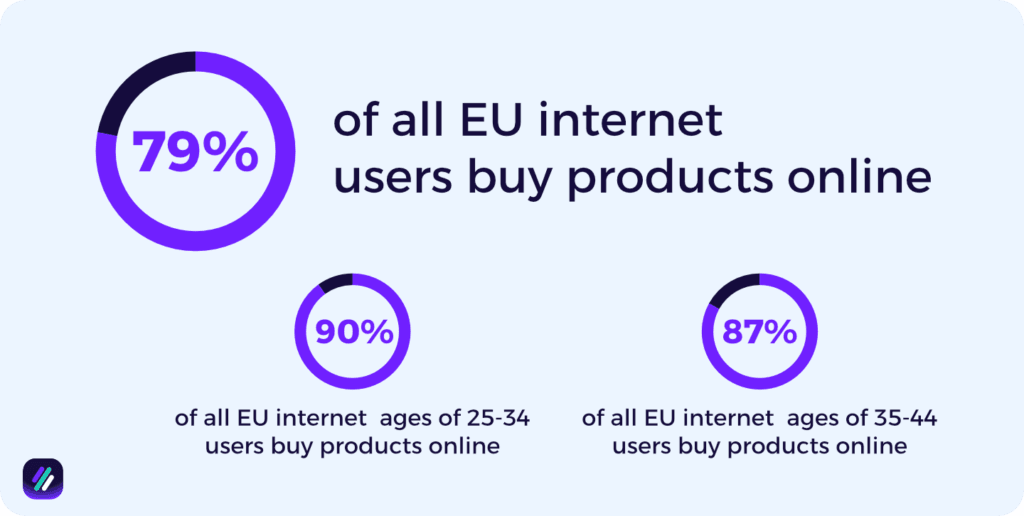
Online shopping is also growing steadily across the continent. As per Eurostat, 78% of EU internet users buy or order goods or services online. The 25-34 and 35-44 age groups drive the most sales, with 90% and 87% making online purchases, respectively.
Buying behavior is also consistent rather than one-time. Most shoppers in the region make their last purchase within three months, showing they return to buy again regularly.
This steady demand, combined with rising e-commerce adoption, makes dropshipping in Europe a viable opportunity for new sellers.
How to Start Dropshipping in Europe
So, how do you go about launching your dropship business? Here are the steps you need to take to start dropshipping in Europe.
Step 1: Select Your Niche
Choosing a niche for European dropshipping requires a different mindset than picking a general dropshipping category.
With the continent spanning dozens of cultures, languages, and buying habits, you need to look at the preferences of your target market and validate demand before committing to anything.
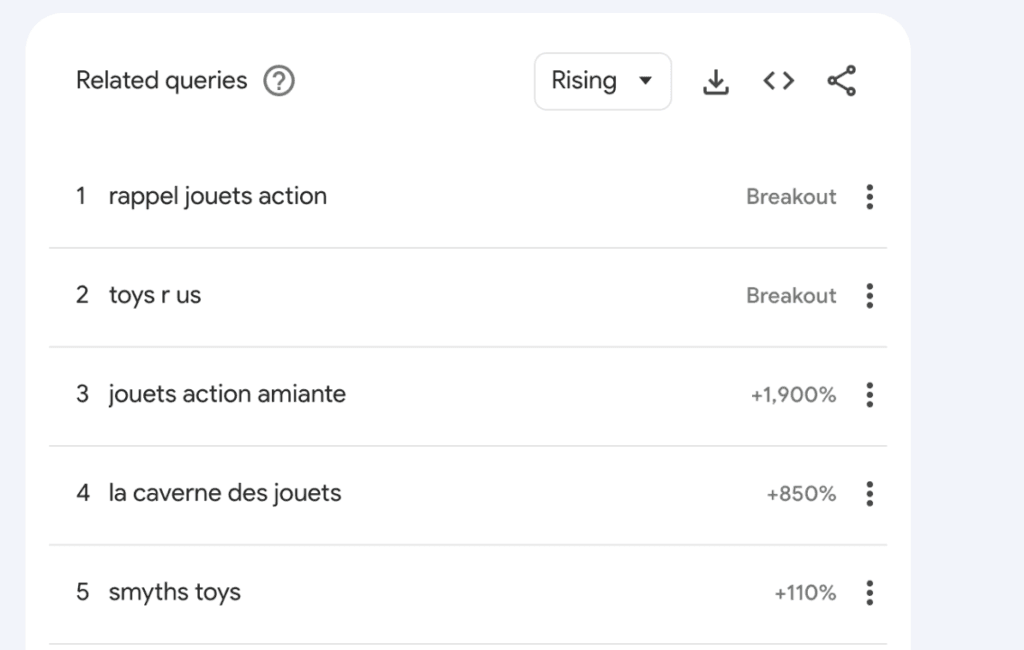
A good place to start is to think regionally rather than continent-wide. Tools like Google Trends and Pinterest Trends can help you spot region-specific demand and see whether interest in a category is rising or already fading in your target market.
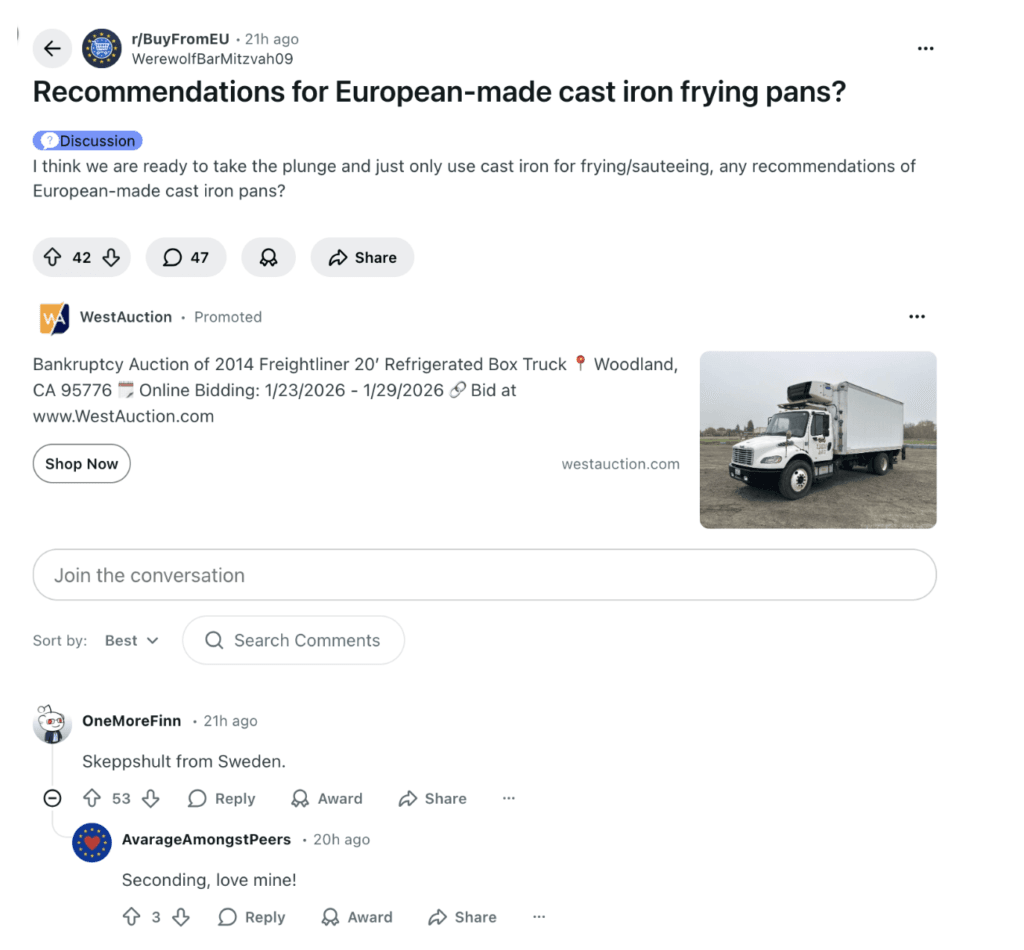
You can also look into subcommunities like r/BuyFromEU on Reddit. It’s a space where people actively discuss locally produced goods and share what they’re struggling to find (which is exactly the kind of gap you want to build a niche around.)
Or you can think of problems you’re facing that you would like to fix.
Also, if you’re living in the EU yourself, then listening to actual conversations of people complaining about problems can be a good source of ideas.
In general, finding your niche can be done in many ways, whether based on your hobbies, research, experiences, or market research.
There is really 1 way to find your ideal niche.
Step 2: Find Winning Products
After choosing your niche, the next step is finding products that are likely to sell well in your European dropshipping store.
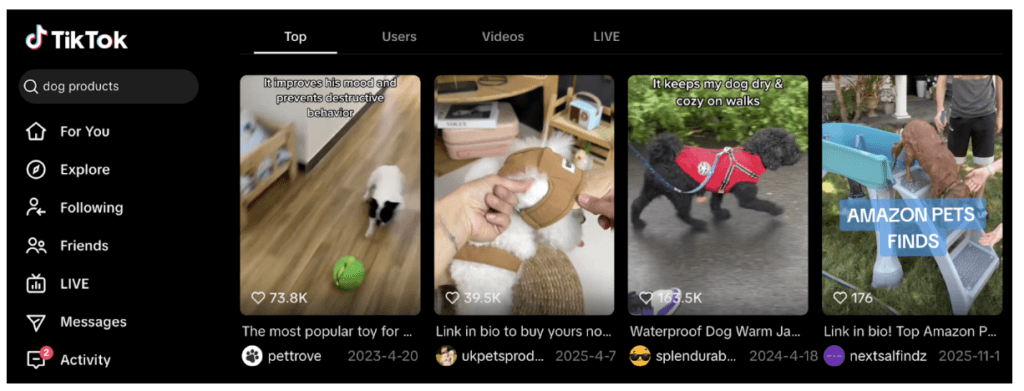
A great way to get product ideas is to see what’s trending on TikTok. Search your niche and see which items are getting the most attention. Products that frequently show up in unboxing videos and reaction content are the ones worth looking into further.
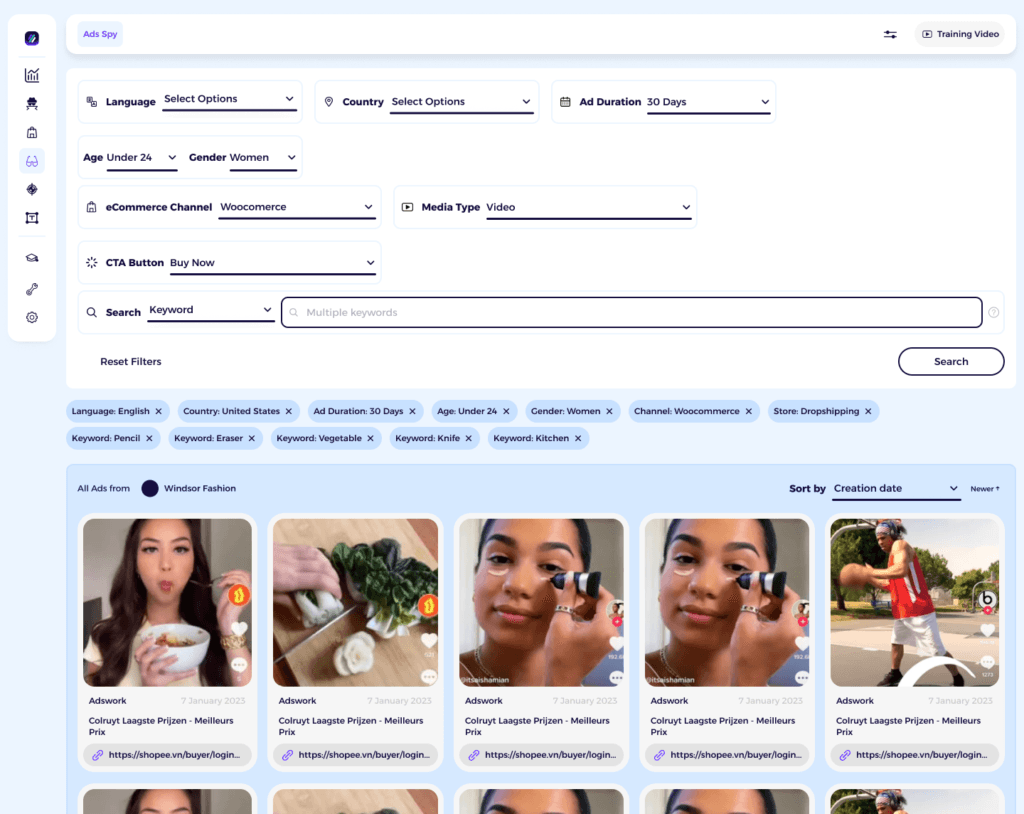
You can also use an adspy tool like the ones from ZIK to see which items are regularly appearing in paid ads across European markets. Use filters like target country, product keywords, and audience age to get results specific to the countries you’re targeting.
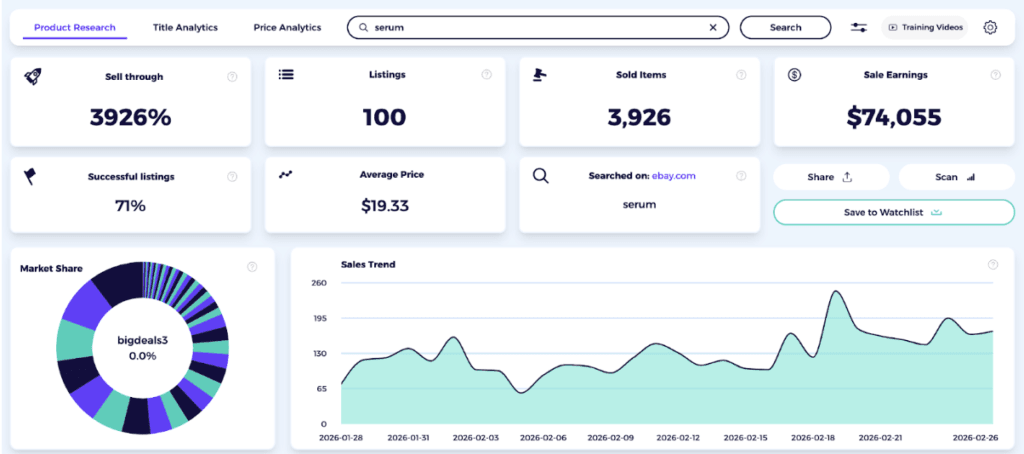
Once you have a few ideas, validate them using ZIK Analytics’ eBay product research tool. Type the name of the product, choose the last 30 days filter, and hit Search.

You’ll then see the sell-through rate, total sold, and average price for that item. For a European market, you want a sell-through rate above 50% and enough margin left over after factoring in EU shipping costs and VAT.
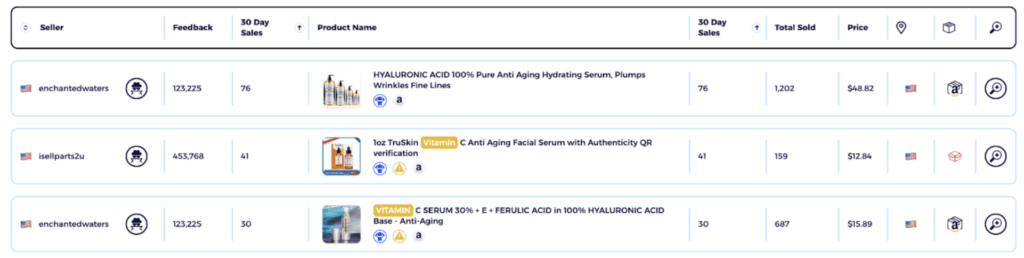
Scroll down, and you’ll see who’s already selling that product, what prices they’re listing at, and how many sales they’ve made in the last 30 days. If the demand looks solid but the existing listings look poor or outdated, that’s your signal to jump in with better listings and take that share of the market.
Step 3: Find 3-5 Vetted Suppliers for Your Products
After choosing your products, the next step is finding suppliers who can reliably source and ship products to your customers.
A good starting point is the ZIK Analytics Item Finder, which matches the found winning products with common dropshipping suppliers such as Amazon, AliExpress, Walmart, or CJ Dropshipping.
However, you still need to vet the actual manufacturer.
You can also browse directories and marketplaces to find additional options relevant to your niche.
Some of the top European dropshipping suppliers to consider include:
- BigBuy: BigBuy is a major Spanish wholesaler with over 150,000 products across electronics, home, and fashion niches. It supports 24 languages and makes it easy to sell across multiple EU markets.
- Spocket: Spocket connects you with suppliers based primarily in the US and EU. You get fast shipping times and the option to add branded invoicing to your orders.
- BrandsGateway: BrandsGateway specializes in luxury clothing, bags, and accessories from European brands. The benefit of using this supplier is that you get higher margins than with other vendors in the same niche.
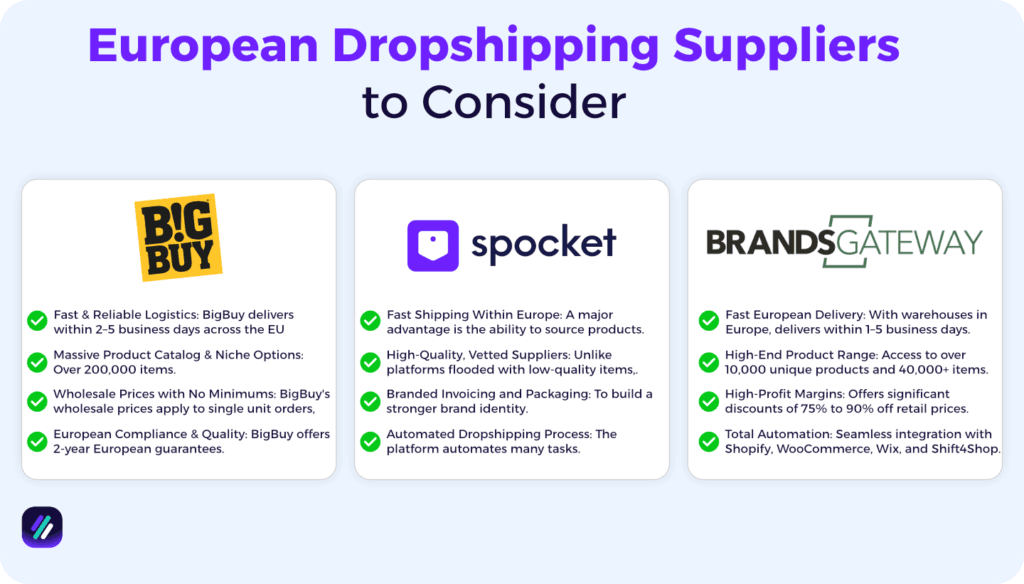
Find more European dropshipping suppliers for your store.
Step 4: Pick a European Country
Now comes the question: which European country should you choose to start your dropshipping business?
Although it might be tempting to target the whole EU, it’s best to focus on one or two regions at first to build credibility.
Here are some of the best European countries for dropshipping:
The United Kingdom
Despite no longer being in the EU, the UK remains the largest e-commerce market in Europe with a valuation of USD 252.89 billion.
British consumers are highly accustomed to online shopping and increasingly visit UK Shopify dropshipping stores to buy different things.
Just be mindful of the VAT regulations when dropshipping to the UK, as these have undergone several changes after Brexit.
Germany
Germany repeatedly ranks as the best-performing economy in Europe. Germans are also active online shoppers, with the International Trade Administration projecting the number of e-commerce users to grow from 47.68 million to 51.77 million by 2029.
Germany’s logistics network is also well-established. Parcels typically go out via DHL and other reliable carriers, meeting customer expectations around delivery times when you are a German dropshipping store.
Plus, with high purchasing power spread across a large population, demand holds steady across most niches throughout the year.
Bonus: Best dropshipping suppliers in Germany
France
France is no stranger to fashion and beauty.
You’ll find a well-established culture of personal style and skincare across the country, making these two niches a natural fit for a French-facing dropshipping store.
French consumers also have a higher disposable income and aren’t shy about spending it on quality products.
With that said, the French market isn’t as saturated as some other European countries, meaning there’s more opportunity to gain a foothold in its e-commerce sector.
Scandinavia (Sweden, Norway, Denmark)
While these countries have smaller populations, they have some of the highest disposable incomes in the world.
Scandinavians are also digitally literate and shop online throughout the year. According to a report, 83 percent of Nordic consumers shop online on a monthly basis.
Scandinavia also has lower competition compared to Western Europe, so it can be highly beneficial for store owners looking to gain customers quickly.
Step 5: Order Samples and Test Shipping
Many dropshipping suppliers claim to offer the best product quality along with fast shipping.
But you can never be sure of their processes and should test whether they live up to their promises.
A simple way to do this is to order 2-3 samples to your own address to assess the quality and shipping experience firsthand.
When your samples arrive, pay attention to:
- Product quality – Does it match the supplier’s photos and description?
- Packaging – Is it secure enough to survive international shipping without damage?
- Shipping time – Did it arrive within the timeframe the supplier promised?
- Tracking accuracy – Were the tracking updates reliable and consistent?
You can also send a sample to a friend or family member in a different city to test whether shipping times and packaging hold up across different locations.
Step 6: Set up Your Store and Essential Pages
To start selling in Europe, you need to create a dropshipping website that allows you to list products and manage orders and payments.
Most people use Shopify for this, but you can also use other dropshipping website builders like WooCommerce or Squarespace, depending on your needs.
Shopify is preferred for its built-in features like website hosting, inventory management, and shipping integrations. You can also choose from hundreds of themes to customize your store’s design.
Once you’ve signed up for Shopify, you can start building your store and adding the essential pages. Pages to include are:
- About Us: Tell consumers who you are and what your store stands for. Make it personal and authentic to build trust with European buyers.
- Shipping & Logistics: State how long delivery takes for different European countries and whether you handle VAT and duties upfront. Be transparent to avoid negative reviews and complaints.
- Returns & Refund Policy: European law gives consumers 14 days to return products without reason. Clarify who pays for return shipping and make the policy easy to understand.
- Privacy Policy and Terms of Service: These pages are critical for compliance with the EU’s GDPR. Using Shopify’s built-in template generators, you can easily create these pages and customize them to match your store information.
- Contact Page: Let customers know how they can reach you by including a contact form, email address, and, if possible, a European business address or PO Box.
If you’re short on time, you can use an AI tool like ZIK’s Shopify AI Store Builder to create essential pages for you. Just tell it which niche you’re targeting, and it’ll create banners and a homepage based on your selection.
After the pages are set up, enable local payment methods like Klarna and iDEAL. Also, set your default currency to match your main target market, like EUR for Germany or GBP for the UK.
Step 7: Start Marketing Your Store
You’ve built the foundation. Now it’s time to get the word out about your store.
Here are a few dropshipping marketing strategies to appeal to European buyers:
Localize Your Ads
Although many dropshippers run ads in English, you can distinguish yourself by launching a campaign in the native language of your target audience. Whether it’s German, French, or Spanish, make sure to get the translation right to make the best impression with dropshipping advertising.
Partner with Micro-Influencers
Micro-influencers are creators with 1,000 to 10,000 followers who operate in specific niches. Partnering with them means you get access to a highly engaged audience that trusts their recommendation.
Create Urgency with Scarcity
The human brain is wired to respond to urgency and the fear of missing out. Using apps like countdown timers or low stock alerts, you can create that psychological trigger that pushes people to act now instead of later. Show visitors that the deal won’t last forever or that stock is running out, and you’ll see more people clicking the buy button.
Focus on Short-Form Video Content
TikTok and Instagram Reels drive massive traffic for top dropshipping stores, especially for impulse-buy products. Create fast-paced videos under 15 seconds that showcase your product’s value. Use user-generated content styles because they feel more authentic and trustworthy to European shoppers.
Pros and Cons of Dropshipping in Europe
Dropshipping in Europe comes with a few advantages and challenges that can affect your decision to pursue it as a business model.
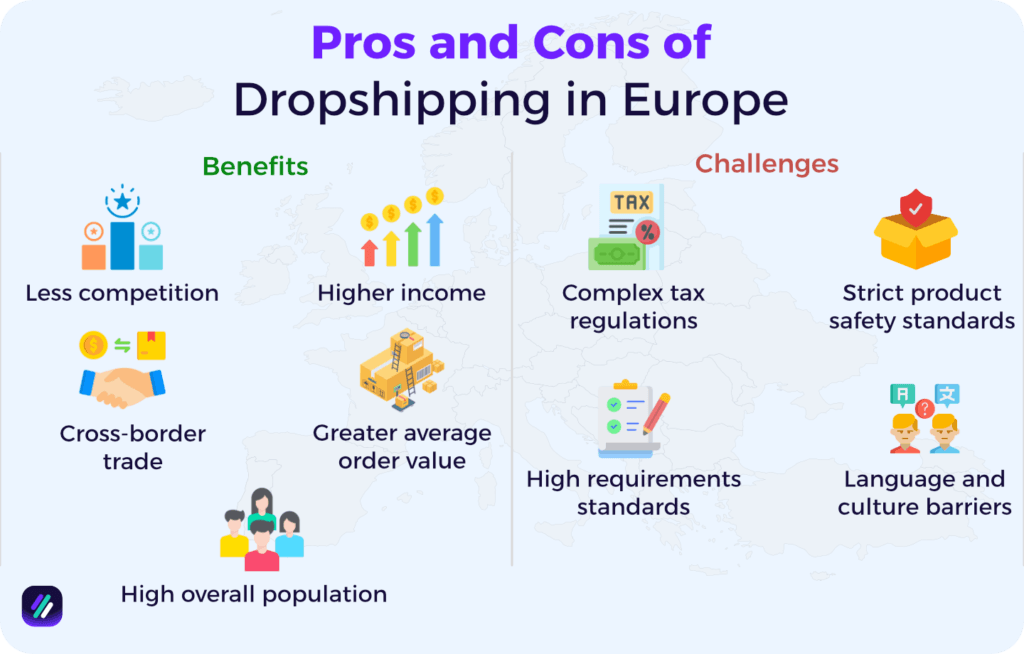
Benefits of Dropshipping in Europe
European dropshipping offers a range of unique benefits that make it an attractive business opportunity for new entrepreneurs.
- Less competition: Most dropshipping markets are saturated with a large number of Shopify stores competing for the same audience. The European market, however, has less overall competition due to the region’s specific e-commerce requirements and expectations for high-quality end products.
- Higher income: Many European consumers, especially in Western and Northern Europe, have higher disposable income. This enables them to spend more than consumers in many other regions and choose higher-quality products, creating greater revenue potential for store owners.
- Cross-border trade: The European Union operates as a single market, meaning there are fewer customs restrictions when shipping between member states. This makes it easy to dropship from Germany to France or from Spain to Italy due to less complex import regulations.
- Greater average order value: European consumers often prefer buying from Shopify stores based within the EU because of established consumer protection laws and product standards. For store owners, that added trust can lead to higher pricing power and better conversion rates compared to importing from outside the EU.
Challenges of Dropshipping in Europe
However, dropshipping in Europe also comes with a few limitations that you should know about:
- Complex tax regulations: Operating across multiple European countries requires navigating complex VAT regulations. Since 2021, the EU has eliminated the VAT exemption for low-value goods (< €22), meaning VAT is applied to all imports. If not handled correctly, there’s a risk of customers rejecting the package due to unexpected customs fees and writing negative reviews about your store.
- Strict product safety standards: Dropshipped products, especially electronics or toys, often lack the required CE marking, which is mandatory in the European Economic Area. Non-compliant items can be seized by customs or, worse, cause harm to consumers, making the European drop-shipper (you) legally liable for the damages.
- More requirements from local suppliers: Local European suppliers often have strict requirements for working with dropshippers. This can make it difficult for beginners who may not have the necessary business documentation or track record to be eligible for a partnership.
- Language and cultural barriers: Unlike the US, Europe is not a single market in terms of language or culture. The positioning and branding that is successful in Germany may not have the same impact in Italy or Spain, requiring tailored marketing and website translations to be effective. Providing high-quality customer service in multiple languages is also a challenge and adds to operational costs.
Best Dropshipping Niches in Europe
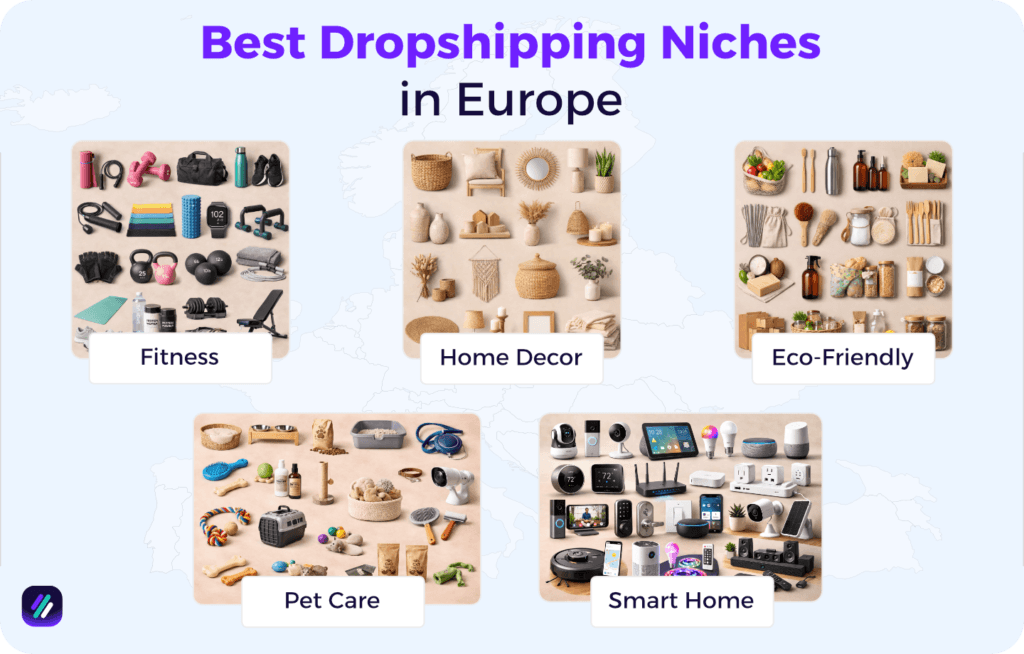
Certain dropshipping niches tend to perform better in Europe than others. Here’s a list of the best ones to consider for your store.
Eco-Friendly Products
With growing awareness about zero-waste and eco-friendly products, European consumers are increasingly willing to pay for sustainable alternatives. This niche covers items like bamboo cutlery, reusable bags, and biodegradable phone cases. Dropshipping pet products can be highly profitable because of high demand from value-driven shoppers.
Home Decor
Europeans tend to take their living spaces seriously. This is apparent from the unique furnishings and decor choices you’ll find in European hotels and Airbnbs. You can tap into this by offering items that elevate the look and feel of any living space.
Fitness Gear
Europeans have always been more active than most other populations. Whether it’s France, Germany, or the Nordics, you’ll find people walking, cycling, and weaving physical activity into their daily lifestyles. As such, products that support an active lifestyle and daily recovery are likely to perform well across the continent.
Pet Products
People in Europe tend to treat their pets like family. They research products carefully and will go out of their way to ensure their pet’s comfort and well-being. Focus on products that solve a specific problem (e.g., pet anxiety) and use channels like Instagram and TikTok to reach pet owners who are already engaged and buying.
Smart Home & Energy Saving
Rising energy costs across the EU have made consumers more conscious about how they heat and power their homes. This has driven demand for products like smart thermostats and energy-monitoring plugs that help homeowners cut bills without sacrificing their comfort.
Find Winning Dropshipping Products in Europe with ZIK Analytics
ZIK Analytics has a suite of tools to make your European dropshipping journey easier.
However, I specifically want to highlight three tools that make it easy to find winning dropshipping products in Europe for:
- Shopify Product Finder is your dropshipping product research tool for finding which products are selling across European Shopify stores. Search keywords and filter by sales to identify trending items with strong demand in the European market.
- Dropshipping supplier finder matches your items to suppliers across AliExpress, Alibaba, and CJ Dropshipping. Find Shopify suppliers and eBay suppliers that offer fast shipping to Europe and see pricing with automatic profit calculations.
- AdSpy Tool shows you which ads competitors are running for European markets on Facebook and Instagram. Filter by country to see campaigns targeting specific regions like Germany, France, or the UK Shopify stores.
You can also use the Shopify Store Finder to discover successful European dropshipping stores by country and revenue.
Get your ZIK Analytics trial today and start finding products that sell in Europe with tools built for product research and supplier matching.
Frequently Asked Questions about Dropshipping in Europe
In this section, I’ll answer the questions people frequently ask about dropshipping in Europe.
Which EU country is best for dropshipping?
Germany is the best country for dropshipping due to its central location and high purchasing power. With nearly 70 million online shoppers and projected e-commerce revenue exceeding $100 billion, it offers the largest marketing potential. Other top countries for dropshipping niche and general items include France, Sweden, and the Netherlands.
Is $100 enough for dropshipping in Europe?
$100 might be a stretch for starting a proper dropshipping business in Europe. Although you can take the frugal path and rely on free software trials and organic traffic to start your venture, it won’t be long before you start feeling the pressure. A proper budget ($500–$1,000) allows you to test products with paid ads and cover essential tools and platform fees without having to cut corners at every stage
Is dropshipping legal in Europe?
Dropshipping is perfectly legal in Europe as long as you operate like a legitimate business. That means having proper business registration, a valid VAT number, and being transparent with your customers. It also means complying with GDPR regulations and ensuring the products you sell meet EU safety standards.
Do I need a VAT number to dropship in the EU?
Yes, a VAT number is generally required to dropship in the EU, especially if your annual sales to EU consumers exceed €10,000. For imported goods, you must register for the Import One-Stop Shop (IOSS) to collect VAT at the point of sale.
Do EU customers always have 14 days to return items?
Yes, EU customers have a legal right to a 14-day cooling-off period to return online purchases for any reason. The period starts the day after they receive the goods. However, exceptions apply to customized items, perishables, sealed goods once opened, and digital content after downloading starts.
Articles About Droshipping Globally:
- 10 Best Indian Dropshipping Suppliers for your Ecommerce Business
- 10 Best UK Dropshipping Suppliers and How to Find Them
- 13 Best China Dropshipping Suppliers [Ranked by Global Usage]