

So you’ve reached the stage where you have to pick a dropshipping niche and commit to it.
Good for you! Now you just have to analyze dozens of product categories and figure out which is the best option for your store.
When I first started dropshipping, I felt overwhelmed seeing so many options. Every niche looked like it could turn a profit, and it was hard to tell which ones weren’t the right fit or were already oversaturated.
But later I found out that proper research is key to identifying niches with real potential and avoiding costly mistakes.
Below, I share the 9 essential criteria that I use to evaluate dropshipping niches. But first…
Why Proper Drophipping Niche Research Matters
In dropshipping, the choice of niche can make or break your long-term success. With only 10% of dropshipping businesses turning a profit in their first year, proper niche research is crucial for laying the right foundation for your business.
Thorough niche research helps you determine whether there’s enough demand for the products you intend to sell. It gives you insight into customer preferences and trends that exist in a particular market.
Research also helps you figure out whether it’s easy to find good suppliers for your niche, something that 84% of dropshippers struggle with consistently.
Moreover, proper dropshipping niche research puts you on the path to building an e-commerce brand.
With specialized product selection and a narrow focus, you can establish authority in a specific category, making it easier to build rapport and earn customer trust over time.

Criterion 1: Market Demand
The first thing you should do is validate whether the niche has enough interested buyers for you to sustain a profitable business.
Although focusing on a narrow, specialized audience segment helps reduce competition, you need to balance that focus with sufficient demand in order to avoid limiting your growth potential.
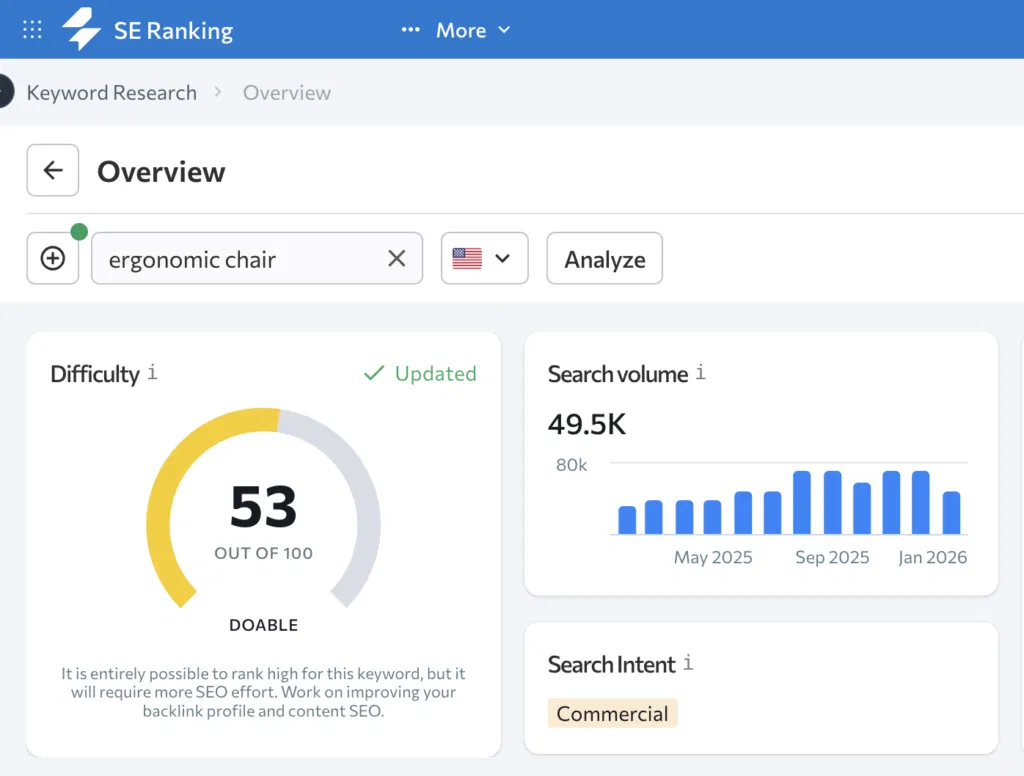
SEO Tools: SEO tools like Ahrefs and SE Ranking come in handy for checking if a dropshipping niche has enough search volume to justify building a dropshipping store around it. You can enter core product keywords and review monthly search numbers to gauge interest. Then check keyword difficulty scores to see how competitive rankings are likely to be.
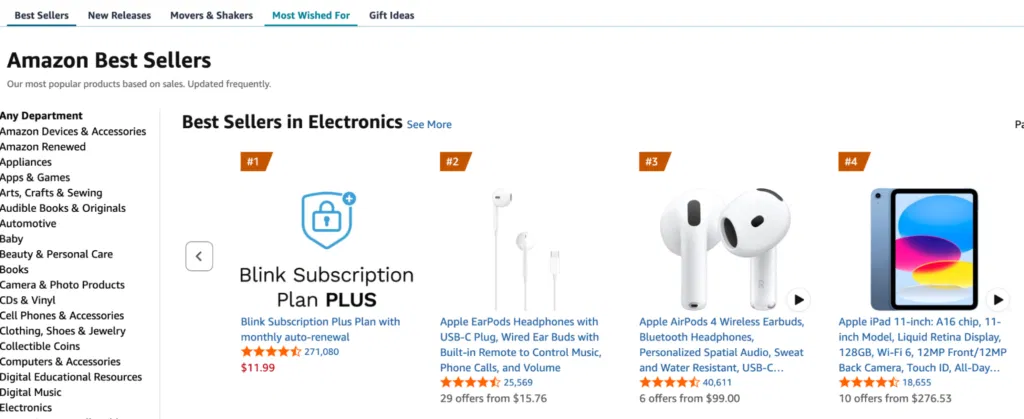
Marketplace Tools: Marketplace-specific tools enable you to bypass general trends and look directly at verified purchase data, which is one of the best indicators of demand. You can use the internal databases of Amazon, Etsy, and AliExpress to identify high-volume niches and underserved “micro-niches” that you can tap into to grow your dropshipping business.
Criterion 2: Competition Level
Evaluating the competition level is critical to determine if you can realistically enter a market and build a loyal customer base.
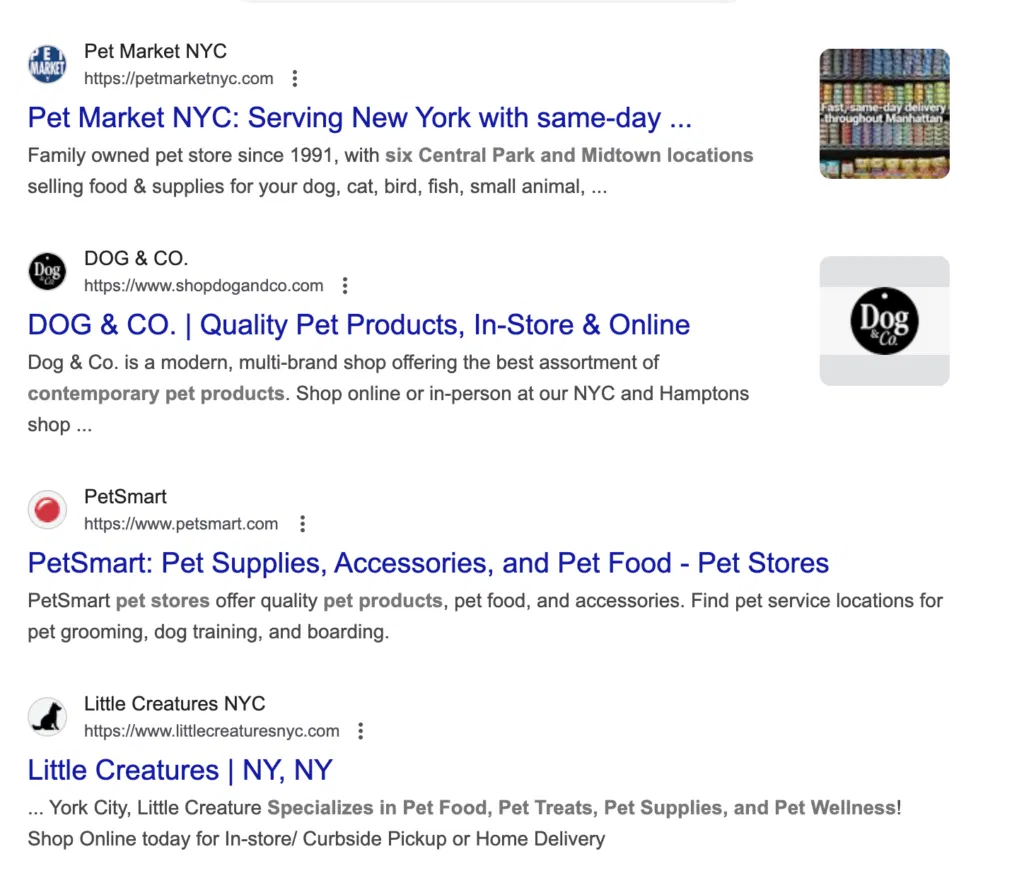
The most effective way to gauge competition is by looking at who ranks on the first page of Google for your niche keywords.
If the top 10 results are dominated by retail giants such as Amazon and eBay, you’ll likely face too much competition in that category. But if you see smaller, independent Shopify stores ranking as well, it indicates that the competition is more manageable.
Another way to analyze the competition is to check how many ads are currently active for the items inside your niche. This can be done by visiting the TikTok Creative Center or Meta Ad Library and searching for your niche keywords.
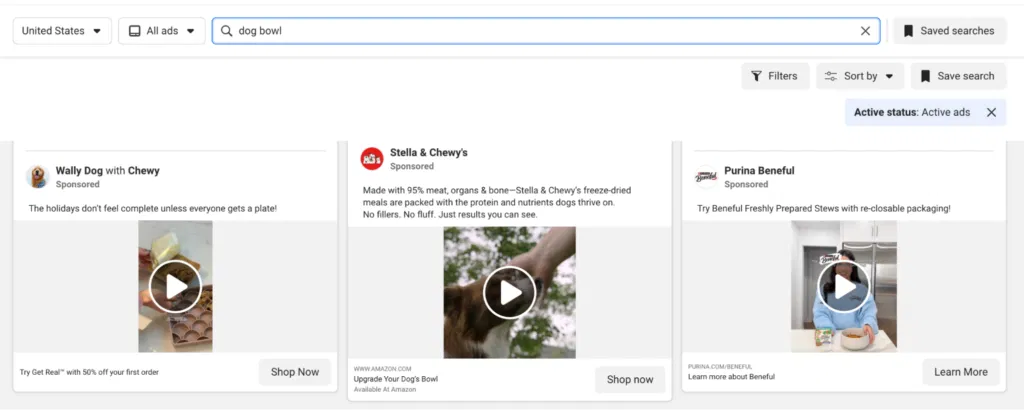
If you see dozens of brands advertising the same kind of products and getting high engagement, the market is likely saturated and costly to enter. If only a handful of sellers appear and their creatives vary widely, there may still be room to differentiate and compete.
Criterion 3: Availability of Trending & Evergreen Products
This point is all about seeing if a niche has enough of both evergreen items (products that are proven to resonate with consumers) and trending products (new items that leverage emerging technology to create new use cases for buyers).
You must check for this because too much of one or the other can lead to issues in the long run.
For example, a niche with many evergreen items but only a few trending ones can be hard to grow because there’s nothing exciting for you to hook customers with. Meanwhile, a niche with 95 percent trending items and 5 percent evergreen products is risky because once the hype ends, so does people’s interest in your store.
You can use ZIK Analytics’ Dropshipping Market Insights to identify trending dropshipping products for any niche. This tool updates every 24 hours to show trending items and fast-growing niches based on real-time market activity.
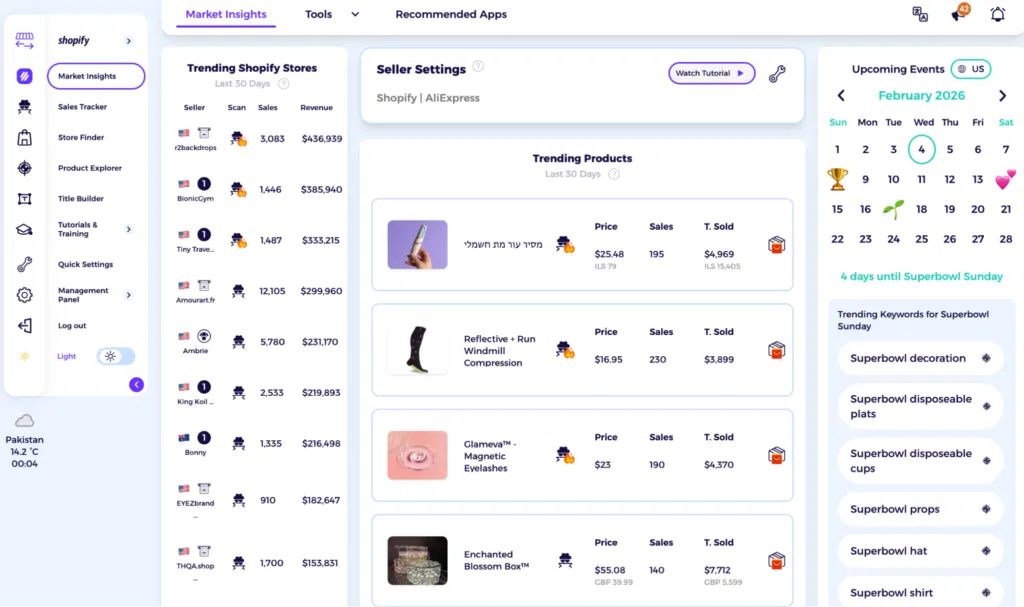
Browse the list of trending items and their selling price, total sales, and revenue. Usually, products with more recent sales and revenue indicate a breakout niche. And while you’re at it, check the Upcoming Events calendar to spot seasonal trends and capitalize on them before they peak.
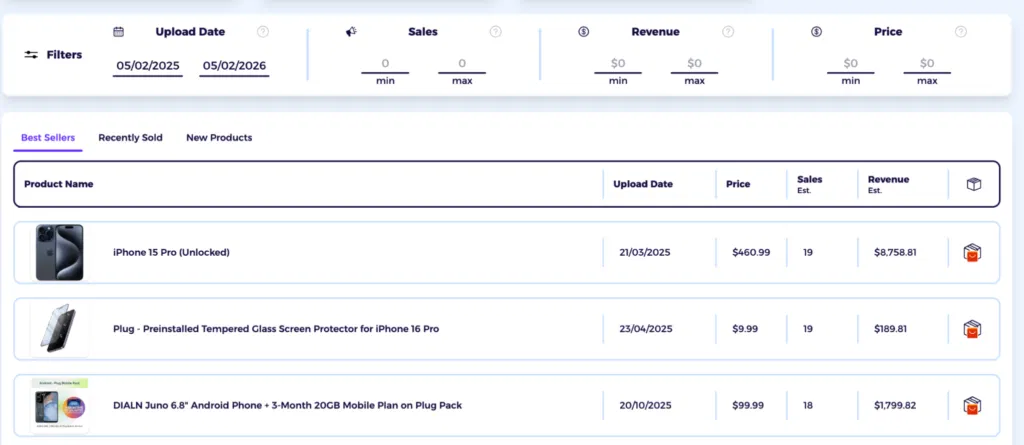
For evergreen products, you can use ZIK’s Shopify Sales Tracker to identify items with long-term stability. Search for a Shopify store related to your niche and then use the upload date filter to narrow its product list down to items that were uploaded in the past one year.

Then use the product view to see which items were uploaded several months ago and are currently classified as the best sellers for the store. This is how you identify evergreen items for a particular dropshipping niche.
Criterion 4: Product Profit Margin Potential
Before you jump into a niche, make sure you can price products competitively and still turn a profit after deductions like marketing, taxes, and operational expenses.
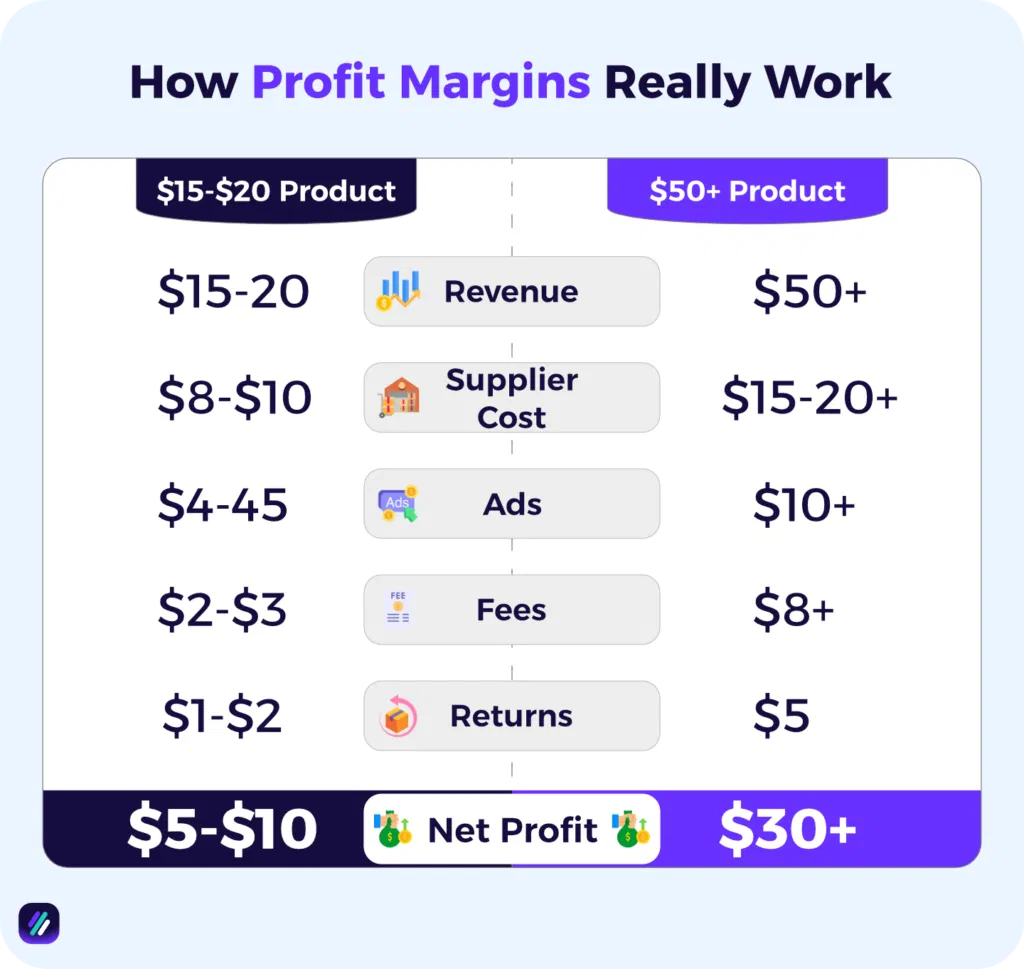
For example, if products in a niche typically sell for $15-20 and suppliers charge $8-10, you’re left with $5-10 for ads, fees, and returns. Meanwhile, a niche with $50+ products and $15-20 supplier costs gives you $30+ to cover those expenses and still keep something.
ZIK Analytics allows you to see the potential profit and ROI of a product before you add it to your store. Once you log into ZIK and search for a niche, you will see a list of items belonging to that category,
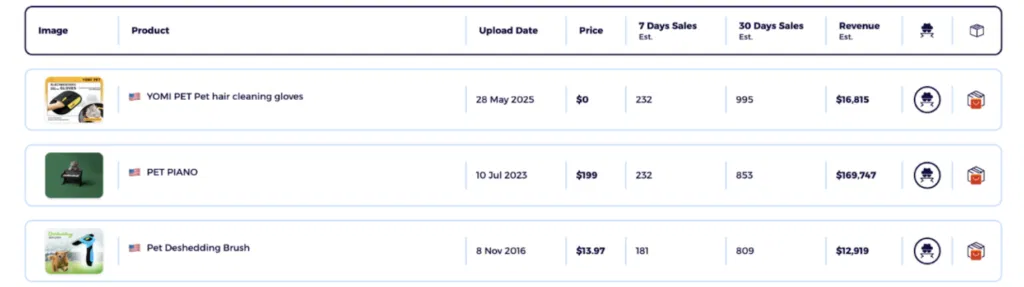
You can then click the AliExpress icon in the last column of the product view to match those products with suppliers and see potential margins based on Shopify price, supplier cost, and fees.
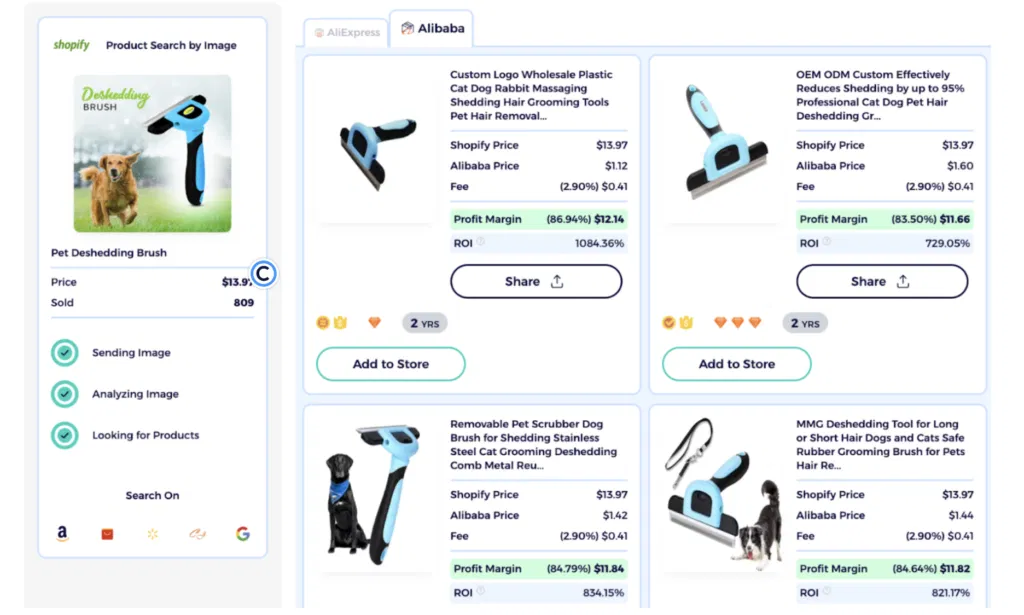
With this knowledge at your fingertips, you should be able to better decide which niche to choose for your dropshipping business.
Your goal is to find a product that you can sell for at least 3x the wholesale price in order to have enough room for all the shipping, fees, advertising, and other costs.
Lastly, you can also use our free calculators to help you find and price your dropshipping items:
Criterion 5: Product Opportunities
You likely know that some products are just extremely competitive and beating them on pricing alone is a challenging feat.
And this is true across many niches.
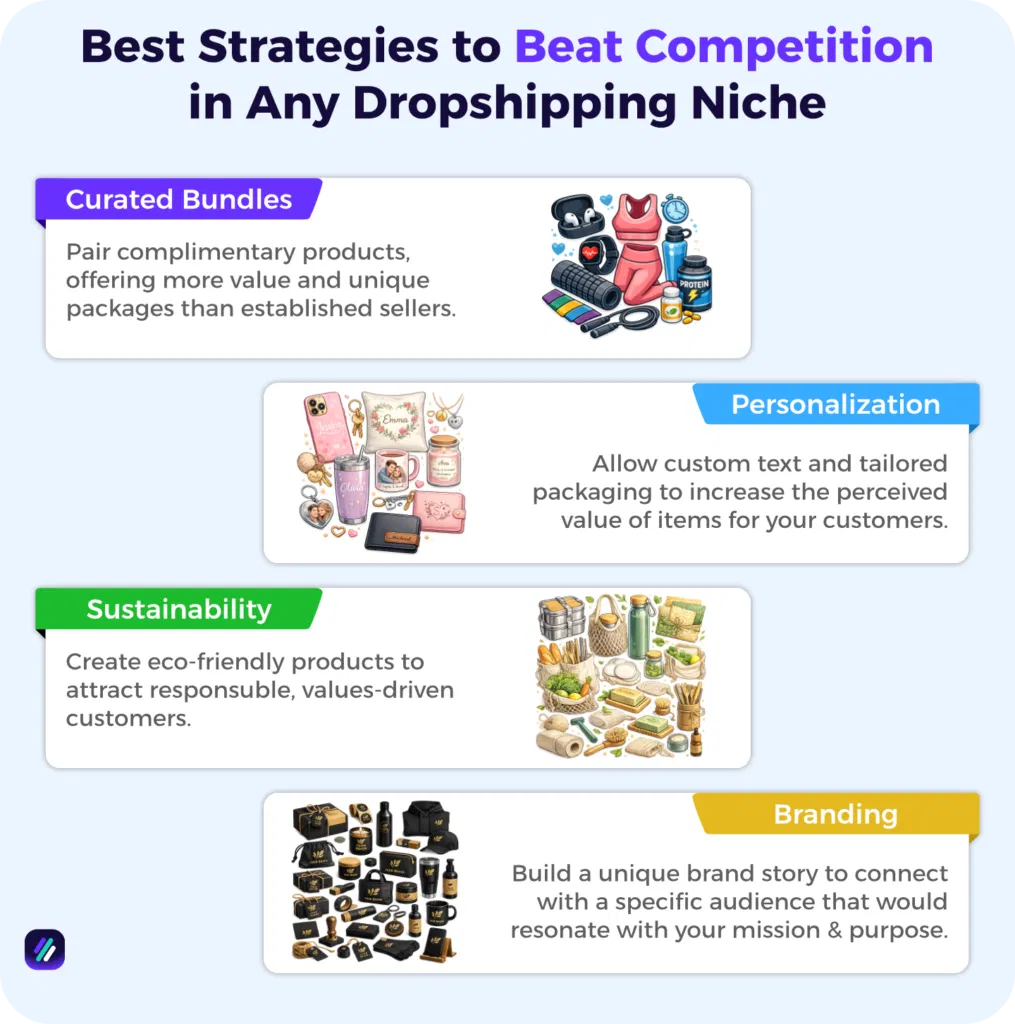
But that does not mean you should give up! If you can’t compete on pricing, you can distinguish yourself via :
- Curated Shopify bundles: This involves pairing complementary products together to create a package customers can’t find elsewhere. Bundles often sell better because they offer more value and are harder to compare against standalone products.
- Personalization: Does your niche allow you to add custom text or tweak the packaging? Then take advantage of these options to increase the perceived value of items and boost average order value.
- Sustainability: With all the focus on eco-friendly living these days, you can tap into buyers who are willing to pay more for products that align with their values.
- Branding and emotional connection: Remember the last time you paid more for a product just because you liked the brand? That’s emotional connection, and you can leverage it by building a story around your store and connecting with a specific audience
Criterion 6: Target Audience Characteristics
Defining the characteristics of your target audience can also give you clues about which niche might be the right fit for your dropshipping business.
By characteristics, I mean the specific traits and behaviors of the people who are most likely to buy your products. You can break these down by:
- Demographics: These include basic details such as age, gender, location and income level. Identifying them can help you determine whether people in a niche can realistically afford your products.
- Psychographics: These are qualitative traits like personal values and lifestyle choices that push an individual to make a purchase. Understanding these allows you to pick a niche that resonates with your audience emotionally, turning one-time buyers into long-term customers.
- Behaviors: These show how your audience spends their time and money, such as their platform of choice or how they react to sales. Knowing whether they are impulse buyers on TikTok or meticulous researchers on Google helps you gauge how receptive a niche will be to your products.
- Pain points and goals: These identify the specific struggles your audience faces or the results they want to achieve. Outlining them during your research can help you identify niches where you can offer something people are actively looking for.
Criterion 7: Product Characteristics
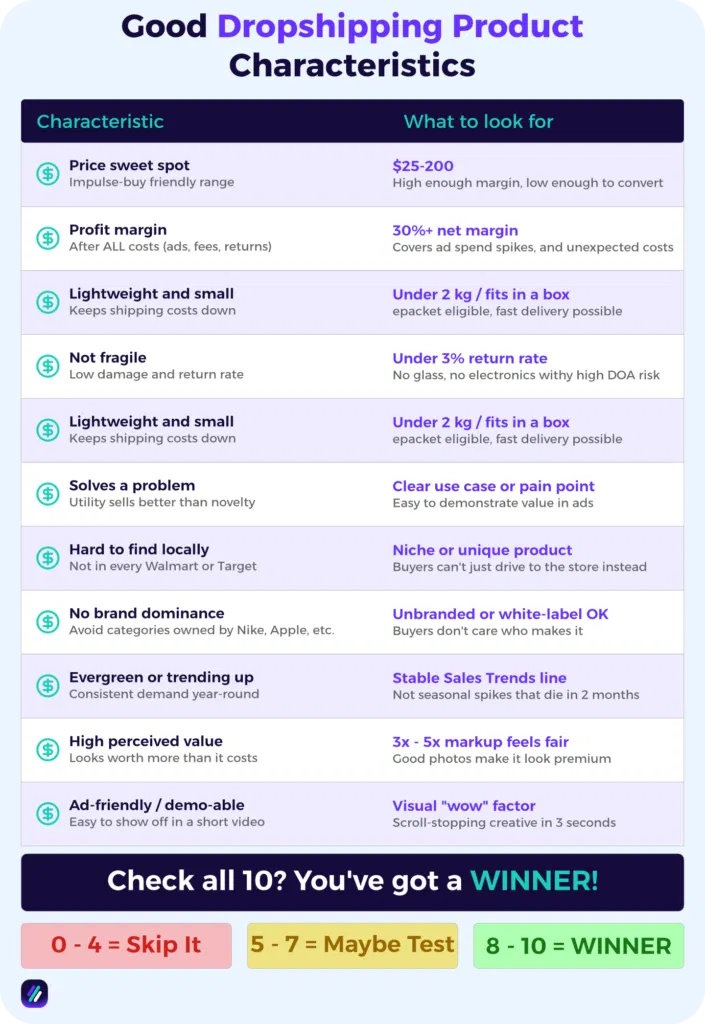
Even if a niche has demand and healthy margins, the products inside it still need to be practical to sell through a dropshipping model. Evaluating their core traits can help you decide whether a niche is worth pursuing long-term.
Look for niches built around products that are:
- Lightweight and easy to ship: You want products that are small enough to fit in a padded envelope and light enough that shipping doesn’t cost more than the items themselves. Keeping things under a couple of pounds means you can offer free shipping to your customers without it wrecking your profit margins.
- Not readily available in local retail: The item should be something people cannot easily pick up at the store down the street. Think of products that make shoppers pause and wonder where you even found them, which gives them a reason to buy online instead of hunting locally.
- Solves a specific problem or fulfills a desire: The best niches include products that eliminate daily frustrations or cater to hobbies people genuinely care about. Choosing such a niche means you benefit from impulse buys because the items’ value is instantly recognizable to the target audience.
- Has upsell and cross-sell potential: If the main product naturally goes with accessories, refills, or add-ons, you get more chances to increase what each customer spends. Instead of relying on one item per order, you can bundle related products together and grow revenue without needing more traffic.
Criterion 8: Supplier Availability and Reliability
There’s not much benefit in choosing a niche where you cannot find reliable suppliers to fulfill orders quickly and efficiently.
A good rule of thumb is to aim for a niche with at least 10 potential suppliers, so you have enough options for sourcing different items.
You can find thousands of potential partners through online marketplaces like AliExpress or directories like SaleHoo and Worldwide Brands.
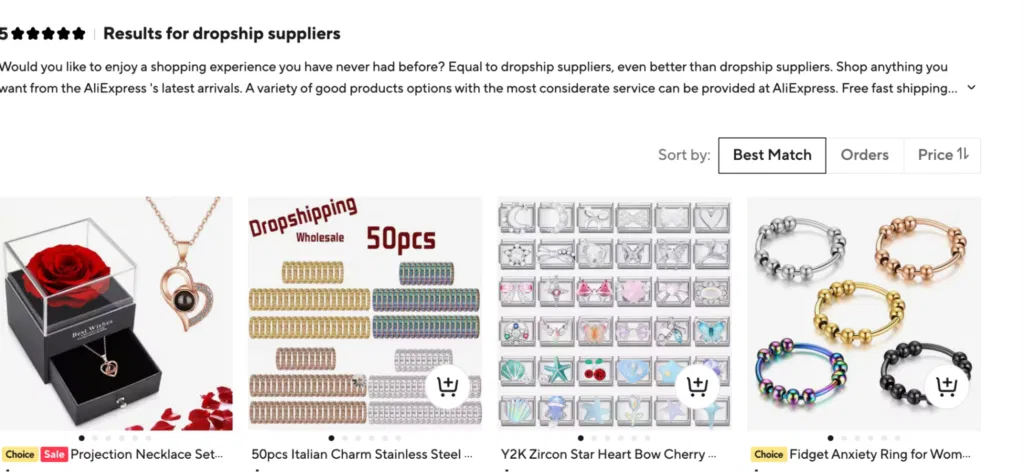
Another thing you’ll want to consider is whether you can negotiate with the suppliers in your preferred niche
In high-volume niches like gadgets and accessories, you should be able to negotiate tiered pricing (e.g., $1 off for every 50 daily orders).
For high-ticket or specialized niches like custom furniture, suppliers are often open to negotiation for custom packaging or better return terms.
To gauge a supplier’s reliability, order a few samples and see how long they take to ship. Also, check the quality and packaging to ensure your customers will get the best products from your dropshipping supplier.
Criterion 9: Shipping & Deliverability
Another aspect of niche selection revolves around shipping and deliverability. In other words, you need to consider how easily, safely, and cheaply products in your niche can move from the supplier to the customer.
Here are the factors you must consider:
Physical Dimensions
The first thing you must look at is the average size and weight of the items in your niche.
For example, a niche like gym equipment has products that usually weigh several kilos and require large containers to ship. Meanwhile, a niche like phone accessories can fit in standard padded envelopes and costs far less to deliver.
Ideally, you should choose a niche that keeps shipping simple and affordable so it doesn’t eat into your margins.
Fragility
You’ll also want to assess how likely a product is to be damaged during the journey from the supplier’s warehouse to a customer’s doorstep.
If you consider a niche like home decor, you’ll find several items that are prone to breakage from drops and bumps. Dropshipping in such a category can lead to high refund costs and damage your store’s reputation.
Hence, it’s better to stick to niches where items are made from durable materials like silicone or fabric.
Local fulfillment availability
Evaluating fulfillment availability means seeing whether a particular niche has suppliers with warehouses in your target location.
Customers today expect goods to be delivered within 3-7 days. If your niche is so narrow that products only ship from a single factory in China, you won’t be able to meet modern delivery standards.
As such, you’ll want to pick a dropshipping niche that’s popular enough that suppliers offer domestic shipping options for places like the USA and EU.
What is a Dropshipping Niche?
A dropshipping niche is a specialized product category that targets a specific group of customers.
For example, eco-friendly pet supplies speak to people who care about sustainability and want environmentally conscious products for their pets. Tapping into a niche allows you to create more targeted marketing and connect with customers who share specific values or interests.
What is Dropshipping Niche Research?
Dropshipping niche research is the process of diving deep into a specific product category to see if it’s worth pursuing.
It involves taking steps like conducting market analysis and evaluating the competitor landscape to gauge how much effort it might take to break in and succeed. Proper niche research can help you avoid niches that are overly saturated and spot opportunities that are likely to give you a positive return in the long run.
Common Mistakes to Avoid in Dropshipping Niche Research
Dropshipping niche research may sound like a simple task, but it’s easy to get wrong if you don’t know what to watch out for. Here are the common mistakes people make with it:
- Choosing Oversaturated Markets: It is tempting to jump into broad categories like fitness or phone cases because they have high demand. However, these niches are dominated by massive brands with huge marketing budgets. Without a unique edge to differentiate yourself, your store will likely find itself buried in the last few pages of search results.
- Ignoring Profit Margins: Many beginners focus solely on high sales volume while forgetting that shipping costs, ad spend, and platform fees eat away at the bottom line. Make sure to factor these into your profit calculation and avoid low-ticket items that require large volumes just to break even.
- Following Fads Without Validation: Choosing a viral product can feel like you’ve struck gold with your business. However, it can easily turn out to be a fad, leaving you with tons of unsold inventory. That’s why successful dropshippers use tools like Google Trends to validate that a niche has stable, year-round demand before investing time and money into it.
- Targeting Niches You Can’t Advertise: Platforms like Meta and TikTok have strict policies against certain categories. For example, you can’t advertise health supplements as a solo dropshipper in order to drive traffic to your store. If your chosen niche falls on any platform’s restricted list, you may find your ad accounts permanently banned before you even make your first sale.
Research Dropshipping Niches with ZIK Analytics
ZIK Analytics has a suite of tools to help dropshippers discover and validate profitable niches for dropshipping.
However, I specifically want to mention three tools that make dropshipping niche research and validation easier:
- Shopify Product Explorer is your dropshipping product research tool for finding what’s selling in specific niches. Search keywords and filter by sales to identify trending ecommerce products within a niche, then match them to suppliers with automatic profit calculations.
- Shopify Market Insights gives you a real-time view of trending niches by revenue. See which product categories are generating the most sales in the last 6 months and spot emerging niches before they become oversaturated.
- AdSpy Tool shows you which ads are running for products in different niches. Search for keywords related to your niche to see engagement metrics and save winning ads to understand how successful sellers are positioning their products.
You can also use the Shopify AI Store Builder to set up your niche store faster and the Shopify Sales Tracker to monitor stores in your target niche.
Stop worrying that the niche you choose won’t work out. Make data-driven decisions with ZIK Analytics and start your trial today to find niches that are already generating sales.
Frequently Asked Questions about Dropshipping Niche Research
In this section, I’ll answer the questions people frequently ask about dropshipping niche research.
What niche is most profitable for dropshipping?
The most profitable dropshipping niche is health & wellness, driven by growing demand for self-care and specialized grooming products. Pet supplies is another profitable niche, as people tend to spend generously on their pets and rarely question the price tag. Other profitable niches include home office equipment and home decor, which offer higher margins and have strong visual appeal.
How long does dropshipping niche research take?
Dropshipping niche research can take anywhere from a few days to several weeks, depending on your experience. If you know which platforms to analyze and how to go about evaluating competitors and market trends, the research may take a maximum of 3-5 days to complete. If you’re a beginner with no prior research experience, it may take you 2-3 weeks to find a profitable, less-competitive niche.
How do I know if a niche is too saturated?
A dropshipping niche is likely too saturated if you see the same products being sold by numerous stores. Thousands of reviews on Amazon or similar platforms also suggest that the market is fully penetrated and harder for new sellers to break into. Other signs of a niche being too saturated include dozens of similar products being advertised on social media platforms and high competition forcing prices down and making it difficult to achieve higher margins.
Should I choose a dropshipping niche I’m passionate about?
Choosing a dropshipping niche you are passionate about is generally considered a good, long-term strategy. But it can turn out to be a wrong decision if you don’t validate it with data first. If data shows that people are increasingly searching for and buying the items in that niche, there’s a good chance that you’ll be able to turn your passion into profit.