
Are you a new or veteran seller wondering how the dropshipping business model will evolve in the next few years?
You’ve come to the right place, because I’ve done a fair bit of research on the developments in this space and compiled a list of trends that will define the future of dropshipping.
Some of these might already be familiar to you, whereas others might change the way you plan to build and promote your e-commerce business.
Here are some of the most important dropshipping trends of 2026 and beyond.
Is Dropshipping Evolving?
Yes, dropshipping is evolving fast in the wake of technological advancements and changing consumer behavior. The old way of simply listing products and relying on low prices no longer works effectively. Modern dropshipping now requires building a unique brand and focusing on underserved niches to stand out from the competition.
Success in dropshipping has also become heavily reliant on personalizing the shopping experience. With rising competition and consumer expectations, you have to differentiate yourself through quality and service.
Plus, technologies like automation and AI are becoming a standard part of running a dropshipping business. You now need to leverage these tools from the get-go in order to have a chance of building a sustainable business.
US-China Tariffs and Trade Relations
The trade relations between China and the US have been nothing short of a roller coaster ride. Just a few months ago, the countries were locked in a tariff war, with the Trump administration imposing tariffs well above 100% on Chinese goods.
A temporary truce has been reached since then, pausing some escalations until late 2026. But baseline tariffs of around 31-45% still remain in place, and experts are predicting that new tariffs, potentially as high as 40%, can still be imposed this year.
Effects of the Trade Wars on Dropshipping
Trade wars can have a detrimental impact on various areas of your dropshipping business. You might have to deal with:
- Rising supplier costs: Tariffs directly raise the price of imported items, forcing suppliers to pass the increased costs onto dropshippers. A higher overall price cuts into your profit margin while making you less competitive in the marketplace.
- Shipping delays: With rising trade tensions, you can expect stricter customs checks and more paperwork before the products are cleared for shipping. The outcome of this is extended delivery times and potentially lost sales.
- Limitations of products sold: You may be forced to reconsider entire product categories, such as certain electronics or automotive parts, that are subject to high tariffs. This can limit your available inventory and make your catalog less diverse.
How to Mitigate This
Although there’s no foolproof way to make your dropshipping business immune to a trade war, there are a few steps you can take to mitigate its effects.
For example, sourcing products from multiple countries reduces your dependency on Chinese suppliers. Places like India, Mexico, and Vietnam are some good alternatives to China, and local suppliers in your target market are ideal for fast, fully-tracked shipping.
If you’re already working with Alibaba or AliExpress suppliers, proactively engage with them to discuss cost-saving options or negotiate better terms in the face of rising tariffs.
AI, Bots, and Automation
Gone are the days when you had to spend hours on product research and customer service. Today, AI-powered tools can help you do things like identify winning products and process store orders in seconds.
Automation is streamlining operations for dropshippers of all skill levels. Beginner dropshippers can focus on Shopify marketing strategies and branding as automation handles the complex work of inventory syncing and order fulfillment. For the more experienced lot, tools to automate workflows for multi-channel selling and customer service are available to enhance overall efficiency.
With the market for AI-powered ecommerce tools predicted to hit nearly $17 billion by 2030, you can expect more handy solutions to emerge that make dropshipping smarter and more accessible to everyone.
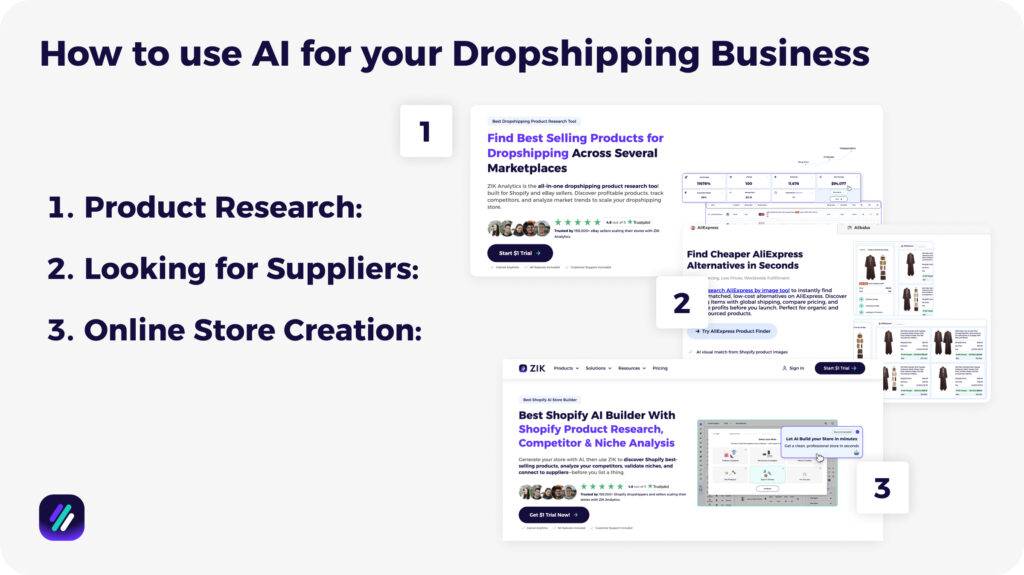
How to use AI for your Dropshipping Business
Wondering about the use cases of AI? Here are some areas where it can streamline workflows for your dropshipping business.
- Product research: Why research products manually when AI can do it for you and better? ZIK Analytics offers a dropshipping product research tool that uses AI algorithms to find data like sell-through rate and average pricing for any item. Data-driven research never used to be this easy.
- Looking for suppliers: AI can also help you find dropshipping suppliers for your store. For example, ZIK’s supplier matching feature uses AI search to match your products to relevant AliExpress and Alibaba suppliers. We also show you the Shopify price, fees, and the potential ROI and profit you can make working with a particular supplier.
- Online store creation: You can use tools like ZIK’s AI Shopify Store Builder to develop a functional store without any coding. Just choose a dropshipping niche and the visuals you want on your homepage, and ZIK’s Shopify AI store builder will automatically create your layout, design, and branding based on product category. After this, you just need to publish the store to start selling.
Niche Dropshipping Over General Dropshipping
Hyper-focused specialization is another rising trend in the world of dropshipping. More and more entrepreneurs are researching deep into dropshipping niches and finding success by serving targeted audiences. You’ll now see stores dedicated to specific hobbies like aquarium supplies or vintage camera gear rather than general ones like “home and garden” or “electronics.”
Niche dropshipping works because it connects with enthusiasts who value expertise and are willing to pay premium prices for curated products. Targeting a passionate group also makes it easier to foster brand loyalty and differentiate yourself from generic dropshipping stores.
What to Look for in a Niche to Dropship
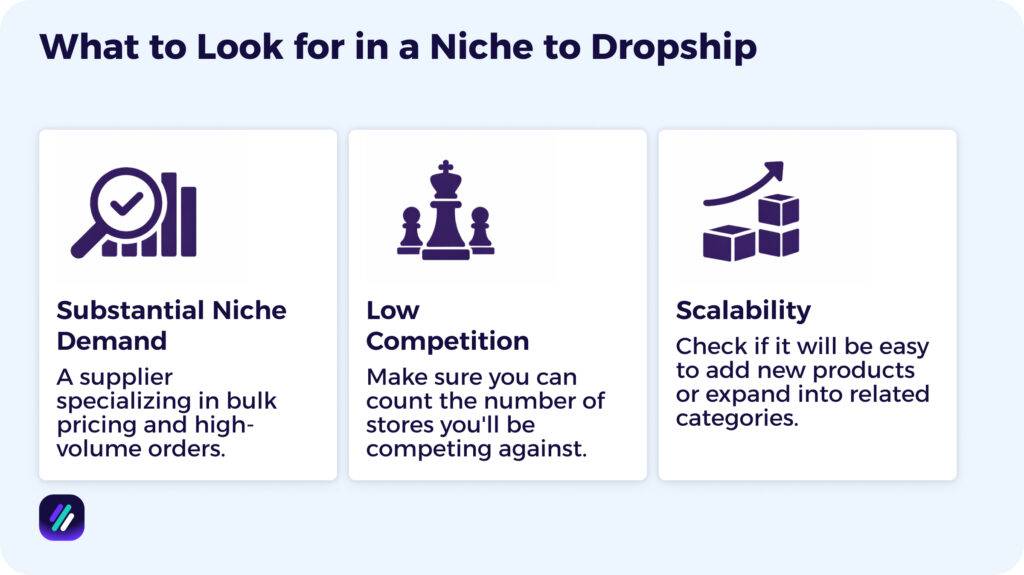
When choosing an ecommerce niche for dropshipping, make sure to consider:
- Substantial niche demand: There should be enough demand for products to make your business viable. Checking keyword volume and sales data can help you identify whether people are actively buying in that space.
- Low competition products: Make sure you can count the number of stores you’ll be competing against. Low competition makes it easy to build a brand that people recognize and trust over time.
- Scalability: Check if it will be easy to add new products or expand into related categories. Niches such as fitness gear and pet supplies come with a lot of opportunities to scale without starting from scratch.
Further reading: Best dropshipping niches for beginners
Big Global Wholesalers
Big global wholesalers like AliExpress, Shein, and Temu are changing the world of eCommerce by offering products at low prices while maintaining competitive quality and customer service. These platforms leverage direct manufacturer relationships and on-demand production models to eliminate middlemen and reduce inventory costs.
For example, Shein initially produces only 100 to 200 units of new clothing styles and uses AI to track how customers interact with these new products online.
Based on things like add to carts and social media engagement, it ramps up the production of items that generate more interest while discontinuing the ones that don’t move the needle for its business.
This allows Shein to avoid a surplus of unsold inventory while offering good quality to end consumers.
This trend is a huge opportunity for dropshippers to source products directly from these platforms. You can access thousands of trending ecommerce products at competitive prices and resell them at higher margins in your target markets.
Big Sales Events Boost Sales for Online Sellers
- Black Friday: Black Friday starts the day after the U.S. Thanksgiving. This event brings an influx of high-intent shoppers who are ready to splurge on items available at competitive prices. Offering good discounts on items such as TVs and large electronics can drive higher sales during this event.
- Cyber Monday: Cyber Monday capitalizes on the momentum of the Black Friday weekend, serving as a “last chance” opportunity for consumers to grab coupons and discounts. Retailers typically use online tactics such as personalized email campaigns to generate sales during this event.
- Amazon Prime Day: Amazon Prime Day is a mid-year event that was created to reward Amazon Prime members and drive subscriptions. It boosts sales for Amazon dropshippers by offering exclusive discounts and using FOMO to encourage people to purchase.
Blockchain and Cryptocurrency
Although traditional methods like credit cards still dominate e-commerce payments, a growing number of online stores are offering cryptocurrency as a payment option.
Cryptocurrencies like Bitcoin and Ethereum bypass traditional banking intermediaries, potentially leading to lower transaction fees and faster payment processing for both consumers and merchants. This is particularly appealing for cross-border transactions, where traditional SWIFT payments can be slow and expensive.
Major companies, including Shopify, have integrated crypto payments via partnerships with payment gateways such as Coinbase Commerce and BitPay.
Findings by TRM show that global retail transactions rose by more than 125 percent between January and September 2024 and during the same timeframe in 2025.
This shows the evolving trend of dropshippers adopting new forms of payment to stay competitive and provide more methods to consumers.
How is Cryptocurrency Applied in Dropshipping?
You might be wondering how you can make use of crypto when you’ve just started. Well, consider using it for:
- Settling payments: The easiest and most common way to integrate cryptocurrency in dropshipping is to integrate a crypto payment gateway. Choose a reputable provider such as BigPay or Coinbase Commerce that integrates with your platform and offers an automatic conversion feature to make crypto-to-fiat transactions hassle-free.
- Tracking: You can also leverage the transparent nature of blockchain to track the visibility of the transactions. Since every transaction will be recorded on a public, immutable ledger, you or the payment gateway company can monitor the network to verify payments.
Sustainable Products
Dropshipping is now more about what you sell and where it comes from. This trend is being driven by consumers who put the environment first when making purchasing decisions.
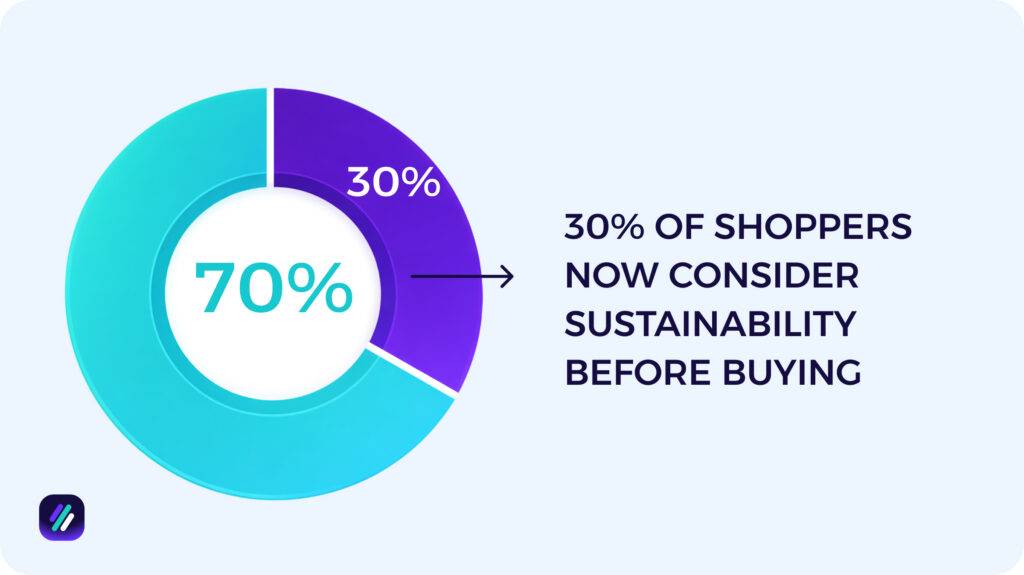
According to data, more than 70% of shoppers now consider sustainability before buying. These are the customers willing to pay extra for reusable household items, organic personal care products, and fashion made from recycled materials.
Dropshippers who partner with transparent, eco-certified suppliers will be the ones defining the standard for ethical e-commerce businesses in the years ahead.
What Makes a Product “Sustainable”
A few things are unique to sustainable items, and that’s what makes them safer and better for consumption. These include:
- Traceable origins: It’s easy to tie sustainable products back to the country where they were made. Labels such as “Made in USA” or “Handcrafted in Italy” make it easy to trace a product’s original source for transparency.
- Produced with little to no pollution: Such items are made using methods that have little to no environmental impact. Factories use approaches like renewable energy and zero-waste manufacturing to minimize their carbon footprint.
- Sourced locally and ethically: The materials used in these products are also sourced in ways that support local communities and avoid exploitative labor practices.
Social Media E-commerce
Another significant dropshipping trend is the intersection of online shopping and social media content. Short-form video platforms such as YouTube Shorts and TikTok are becoming primary channels for product discovery and purchase.
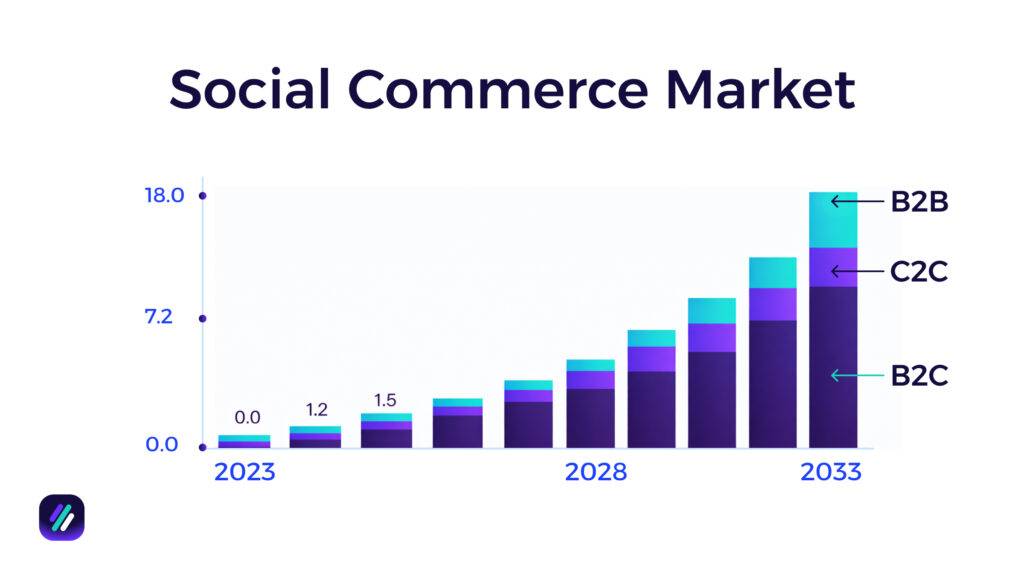
Reports say that the global social commerce market size was estimated at USD 1.5 trillion in 2025 and is projected to reach USD 17.83 trillion by 2033
The shift to social shopping is being supported by developments around augmented reality and live commerce. Brands are increasingly incorporating AR filters and virtual try-ons (for makeup, apparel, and other goods) to build purchase confidence.
Livestreaming with hosts demonstrating items in real-time and interacting with viewers via Q&A is also growing in popularity. These trends emphasize moving beyond traditional marketing to creating an interactive, personalized experience that meets customers where they spend most of their time.
Social Media Platforms with E-commerce Features
In terms of the mainstream platforms, you’ll want to consider the following three for your business:
- TikTok Shop: The TikTok Shop comes with an integrated shopping tab and the option to link products in videos and lives. You can also offer direct checkout via your profile and host live shopping sessions to drive sales for your business.
- Instagram: Instagram offers a highly visual shopping experience that enables users to browse items and make purchases via Stories, posts, and a dedicated Shop tab. You can even sync your product catalog using Facebook Commerce Manager to keep inventory details consistent across all platforms.
- Facebook: Facebook enables you to set up a customizable digital storefront that can be accessed by both Instagram and Facebook users. Customers can buy items directly on Facebook (with in-app checkout in some regions) or be directed to your main dropshipping site to complete the transaction.
Next-Day Shipping Expectations
The timeline consumers are willing to wait for their orders has shortened considerably. According to UPS Capital, the demand for next-day shipping increased by 58% and same-day shipping by 164% over the past five years.
Amazon set the initial standard for this kind of shipping, and now online stores are following suit as they try to remain competitive.
The proximity of suppliers plays a real role here, with those situated close to or within the customer’s region able to deliver faster. Dropshippers who work with domestic or nearby suppliers will now set the pace for customer satisfaction and repeat business.
How to make your Shipping Faster
To make sure you’re giving the best experience to your customers:
- Hand-pick your couriers: Different couriers have different service levels and geographic network coverage. Make sure to pick an option that offers express services (like UPS Express Critical or FedEx Express) so customers get their orders fast.
- Source closer to your target customers: Working with the courier situated near your customers’ location reduces the need for multi-stage logistics, such as shipping from a factory to a main warehouse and then to a regional one. It also makes shipping less expensive and more viable for everyone involved.
- Pick an easy-to-transfer product to sell: Items that have a uniform size and are lightweight are easy to handle and process. In contrast, fragile, oversized, or perishable items require specialized documentation and handling, slowing down the entire shipping process.
Multi-Channel Selling
The times when you could get by just selling via your Shopify store are long over. Now you need to be on Amazon, eBay, Etsy, Facebook, TikTok, and other platforms to have a chance at success. Multi-channel selling is the new non-negotiable in dropshipping, and it’s how you stay relevant and top-of-mind in a highly competitive space.
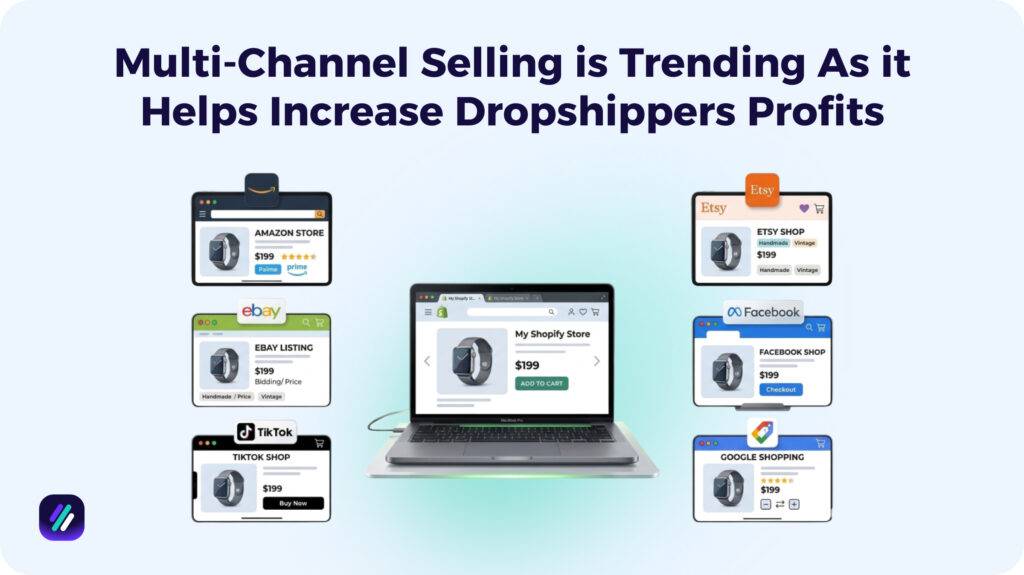
The numbers back this up. According to Harvard Business Review, 73% of consumers use multiple channels during their shopping journey. Keeping up with customers means meeting them where they already shop and making it easy for them to find your products across all those touchpoints.
Adapting to different channels of Dropshipping
If you decide to dropship products on different channels, make sure you’re making the most of them.
- Study each platform’s algorithm: Channels such as Amazon and eBay have different algorithms for ranking products in search results. For example, eBay’s Cassini algorithm prioritizes “best match” listings based on keywords, seller ratings, competitive pricing, and a positive seller rating. Knowing each channel’s unique requirements can help you optimize listings in a way that delivers the best results.
- Utilize their promoted and paid listing placements: Nearly every channel allows you to run paid promotions on their platform. Make sure to take advantage of this, as it will allow you to reach a broader audience and generate more visibility for your store.
- Make products attractive by offering coupons, vouchers, and discounts: In a crowded setting, discounts and coupons can make an item more appealing than a competitor’s similar offering. You can create these directly via the platform to create a sense of urgency and encourage a larger order value.
How to Find Trending Dropshipping Products Using ZIK Analytics
ZIK Analytics offers a variety of tools to help dropshippers find trending products with real sales data.
However, I especially want to highlight three tools that make it easy to find and validate winning products:
- Shopify Product Finder shows you which products are trending across Shopify stores. Filter by category and sales to identify products gaining traction before they become oversaturated.
- Shopify Market Insights gives you a real-time view of trending products and top-performing stores. See which products sold the most in the last 6 months and monitor trending niches by revenue.
- AdSpy Tool shows you which ads are driving traffic for trending products on Facebook and Instagram. Filter by date range to see recent campaigns and save winning ads for reference.
You can also use the Shopify Sales Tracker to monitor stores selling trending products and spot new launches as they happen.
Dropshipping will continue evolving with new trends and opportunities emerging constantly. Sign up with ZIK Analytics today to make sure you’re at the center of things and not watching from the sidelines as others capitalize on the next big trend.
Frequently Asked Questions on Dropshipping Trends
In this section, I’ll answer the questions people commonly ask about dropshipping trends.
What dropshipping niche sells the most?
Women’s Clothing is the dropshipping niche that sells the most due to consistent demand. Health & Beauty and Pet Supplies are other top-performing, evergreen categories with good sales and high profit margins. Home Decor is also a worthy mention, with consumers increasingly spending on goods that improve their home environment.
Is $100 enough for dropshipping?
$100 is enough to build an online store and subscribe to a few dropshipping tools. However, you’ll need a lot more to do things like order samples, run paid advertising, and handle returns from customers. Around $1,000 should be enough to do all those things as well as get apps to help automate your dropshipping business.
Can I dropship with $0?
You can, but only for a few days or a couple of weeks at the most. This works when you sign up for a free trial offered by platforms and companies that support dropshipping via their tools. But the trial has an expiry date and ends sooner or later, after which you have to pay to use the necessary features.
What are the big 3 niches?
The big 3 niches in the dropshipping space are:
- Health and Wellness
- Home Goods
- Pet Products
Each niche is considered “high-potential” because it caters to fundamental human needs and interests. For example, the Health and Wellness niche contains a wide range of products related to mental and physical well-being. Pet Products facilitate the universal need of pet owners to care for their furry friends. Home Goods and Decor caters to people undergoing lifestyle changes due to the rising remote work trend.
Related eCommerce Statistics and Trends Articles
- 82 Most Important E-Commerce Statistics
- 80+ Important Print on Demand Statistics
- 47 Important Product Research Statistics
- 90 Instagram Statistics to Prepare for eCommerce