
Creating a dropshipping website is easier than ever, with several site builders available at your disposal
The problem is, not every site builder is the right fit for your needs. Some have complex interfaces that can overwhelm you if you don’t have prior experience with web design. A few do not have enough dropshipping integrations to support your store.
Then there are site builders that charge extra for features that others offer in their basic plan.
So which dropshipping website builder should you choose? We’ve done the research and compiled a list of the best free and paid dropshipping website builders for 2026.
| Builder | Best For | Starting Price | Top Dropshipping Features | Fees |
| ZIK Analytics AI Shopify Store Builder | Creating a niche Shopify store quickly with AI assistance | $19.99/1st month | AI niche selection, winning product research, competitor analysis | Shopify fees apply |
| Shopify | Dropshippers who don’t want to deal with hosting | $39/month | DSers and CJ Dropshipping integrations, app store, 24/7 support | 2% if using third-party gateway |
| WooCommerce | Those who want full control over their store | Free (+ hosting) | AliDropship plugin, thousands of SEO plugins | None |
| Webflow | Design-focused sellers comfortable with manual setup | $29/month | Custom animations, responsive layouts | 2% on base plan |
| Hostinger Builder | Beginners on a tight budget | $2.99/mon th | AI heatmap, logo maker, AI copywriting | None |
| AutoDS AI-Built Shopify Store | Those who want a done-for-you store with automation | $12.90/month (+ Shopify) | Pre-loaded products, automated ordering, stock monitoring | Shopify fees apply |
| Wix | Creative sellers who want design freedom without code | $29/month | Modalyst integration, email marketing, social selling tools | 2.9% + $0.30 processing |
| Weebly | People who want the simplest setup possible | $12/month | Square payments, tax and shipping calculators | None |
| Sellfy | Selling digital products or print-on-demand merch | $29/month | Built-in POD, link-in-bio selling, upsell tools | None |
| Squarespace | Sellers who want a high-end visual look | $33/month | Spocket and Printful integrations, email marketing | 3% on Business plan |
| Ecwid | Adding a store to an existing website | Free (up to 5 products) | Multi-channel selling, TikTok and Instagram sync | None on free plan |
| BigCommerce | High-volume sellers managing large catalogs | $39/month | Spocket and Syncee integrations, multi-currency, abandoned cart | AI niche selection, winning product research, and competitor analysis |
1. ZIK Analytics AI Shopify Store Builder
Experience needed: None | Customization: Medium | SEO-Friendliness: Medium
Best For: Beginner or advanced dropshippers who want to create a Shopify dropshipping store.
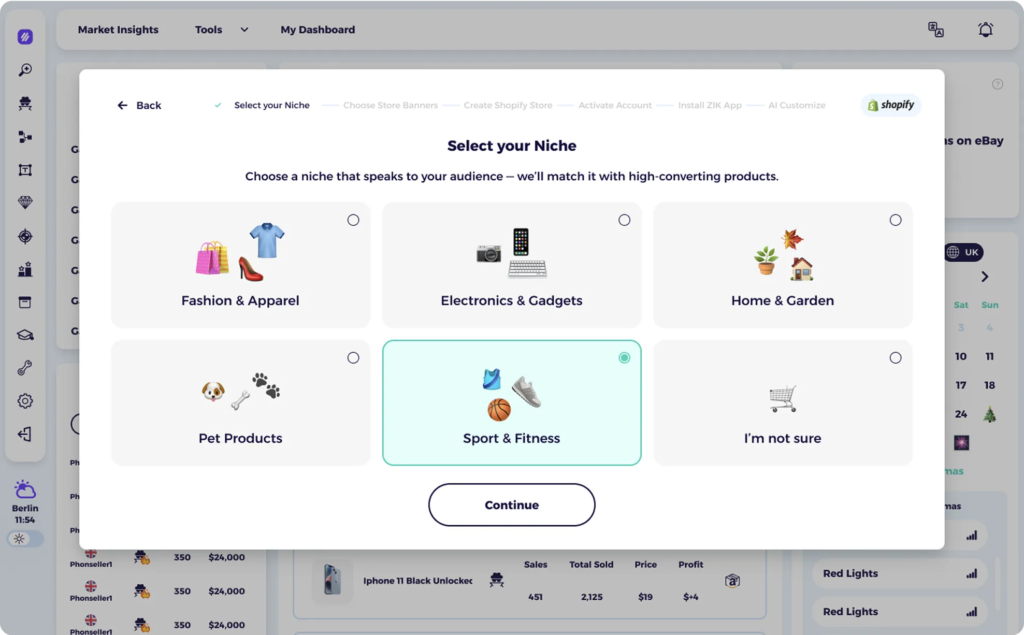
ZIK Analytics AI Shopify Store Builder is a user-friendly tool that lets you create a functional online store in under 10 minutes. It also helps you to scan product market data to research high-demand dropshipping niches and help you fill your store with best products for dropshipping. With all the technical configurations and visual assets taken care of, you’re able to start selling almost immediately.
Pros
- The AI handles niche selection, visual setup, and branding
- Includes advanced tools to spy on competitors and find winning products
- No coding or technical knowledge is required to get started
- Provides product research, AdSpy, and competitor analysis features in one plan
Cons
- May not be right if you’re looking for deep customization.
- Does not import products directly into the shop.
Pricing
It comes bundled with ZIK Analytics Plans starting at approximately $39.99 per month
2. Shopify
Experience needed: Low | Customization: Medium-High | SEO-Friendliness: High
Best For: All levels of dropshippers avoid the hassle of hosting and maintaining their online storefront
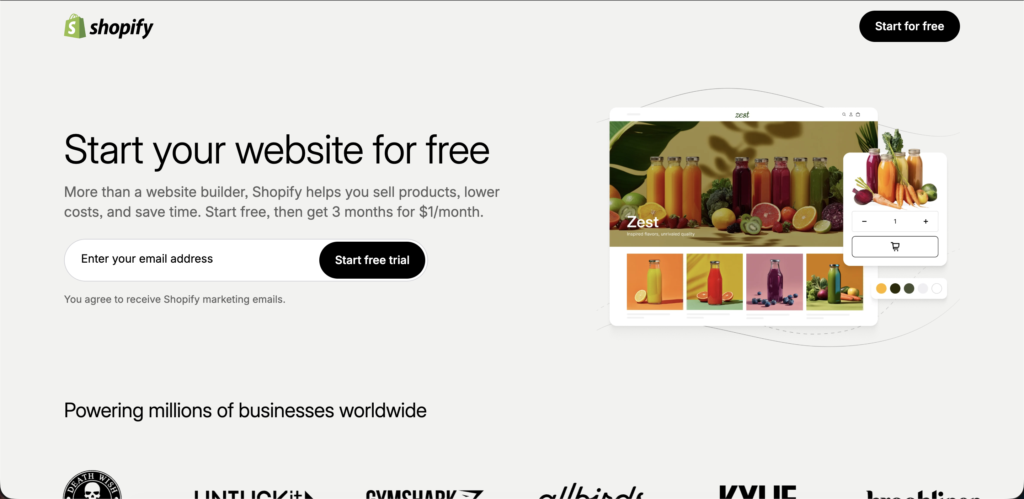
Shopify is an all-in-one ecommerce solution that offers a simple way to build your dropshipping store. You can drag and drop elements to create your storefront and connect to suppliers like DSers and CJ Dropshipping with a few clicks. Shopify also offers a range of professional templates and customization options to help you build a compelling brand image.
Pros
- Works out of the box with no domain or hosting setup required
- A comprehensive app store for any extra functionality you need
- 24/7 customer support is readily available to help with issues
Cons
- The monthly subscription, combined with multiple paid apps, can become expensive over time
- Moving elements outside of the pre-set sections requires coding knowledge
- Limited design customization compared to open-source platforms like WordPress
Pricing
Shopify’s plans start at $39 per month.
3. WooCommerce
Experience needed: Medium | Customization: Very High | SEO-Friendliness: Very High
Best for: Hands-on entrepreneurs who want total control and the ability to scale deeply
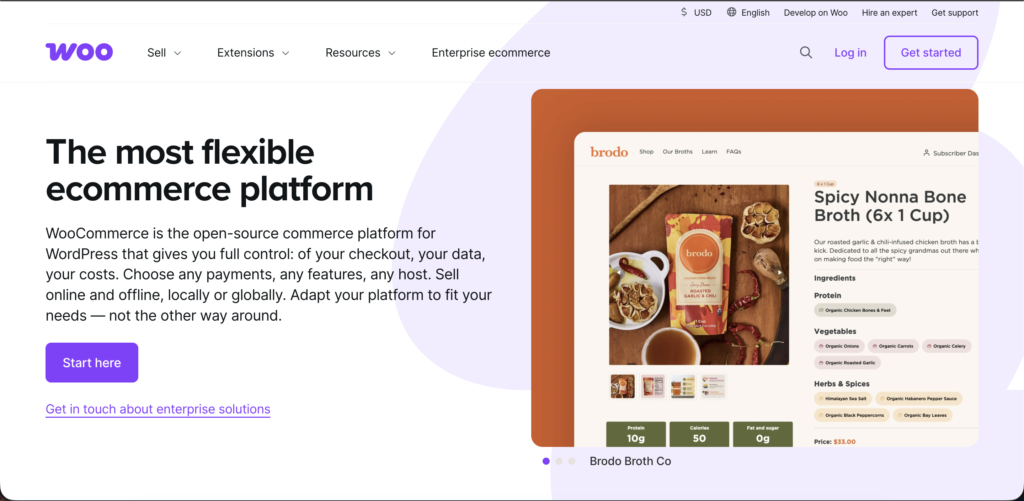
WooCommerce is a website builder that gives you complete control over your dropshipping store. It works by letting you set up your own hosting and then using plugins like AliDropship to connect your site to suppliers. As it works on top of WordPress dropshipping, you’re able to choose from thousands of SEO and marketing plugins to optimize your store.
Pros
- Let you own all your data and have complete control over your site’s code
- Offers the best tools to help your products rank organically on Google
- Since there are no platform or per-sale transaction fees, you keep more of every sale
Cons
- Has a learning curve when it comes to configuring the initial setup
- Different plugins can slow down the page load speed
- Doesn’t have a dedicated 24/7 support team to call if your store experiences difficulties
Pricing
The software is free, but you must pay for hosting (approx. $5–$25 per month) and a domain name
4. Webflow
Experience needed: Medium-High | Customization: High | SEO-Friendliness: High
Best for: Tech-savvy individuals who prioritize design and fast-loading pages over software tools
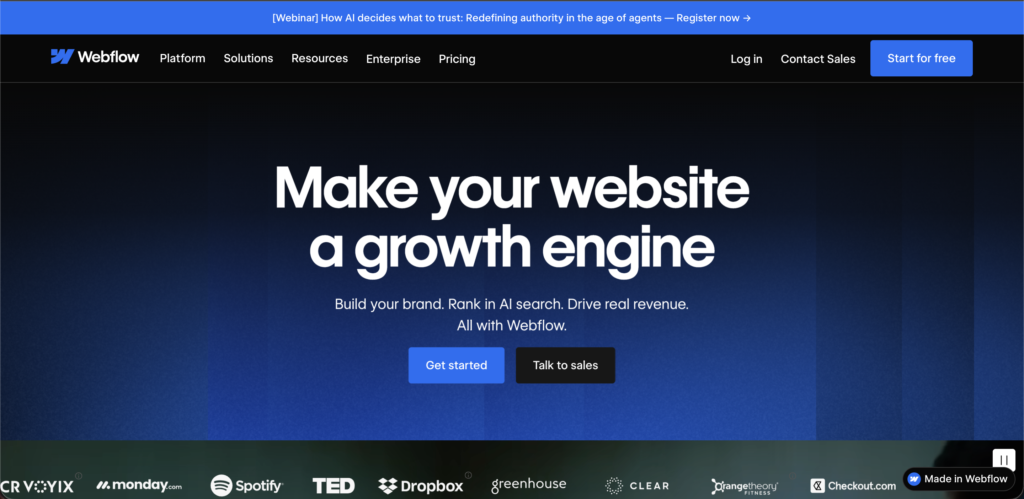
Webflow functions as a high-end visual development tool for dropshippers who want full creative control over their store’s design. It lets you build custom storefronts with animations and scroll effects, plus create responsive layouts without writing code. The downside is that you have to connect it with suppliers manually or using complex third-party tools that take time to set up.
Pros
- Helps you create a high-end look that allows you to charge premium prices
- Runs on clean, professional code that loads instantly on mobile devices
- Let’s you add scroll effects and product interactions without needing any heavy apps
Cons
- Lack of integrations means you have to manually process orders as they come in
- Base e-commerce plan takes a 2% transaction fee on every sale
- If you aren’t tech-savvy, you will spend weeks just to get your first page looking right
Pricing
Ecommerce plans start at $29 per month (billed yearly).
5. Hostinger Builder
Experience needed: Low | Customization: Medium | SEO-Friendliness: Medium
Best For: Beginners on a budget who need assistance with store building
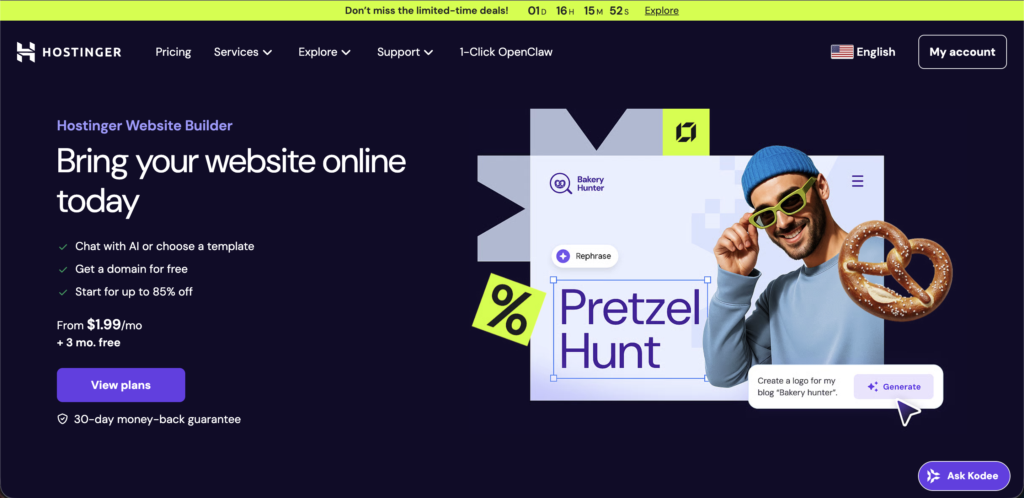
The Hostinger Builder acts more like an assistant as you start building your dropshipping store. Its AI heatmap tool predicts where visitors are most likely to click, so you can strategically place “Buy” buttons to get maximum conversions. In terms of branding, Hostinger gives you access to a logo maker along with an AI copywriting tool that generates unique product descriptions for your store.
Pros
- Offers AI that writes your product descriptions and picks your images
- Has a free plan that covers hosting and email, plus offers a free domain
- Makes it easy to test single products without committing to a complex setup
Cons
- Doesn’t sync with suppliers like AutoDS or CJ Dropshipping automatically
- Can’t add advanced features like Buy Now Pay Later or complex discount bundles
- Basic SEO setup means it can be hard to scale the store organically
Pricing
Included in hosting packages starting as low as $2.99 per month (with 48-month commitment).
6. AutoDS AI-Built Shopify Store
Experience needed: None | Customization: Medium | SEO-Friendliness: Medium
Best For: Those who want a “done-for-you” store pre-loaded with winning products and fully automated fulfillment.
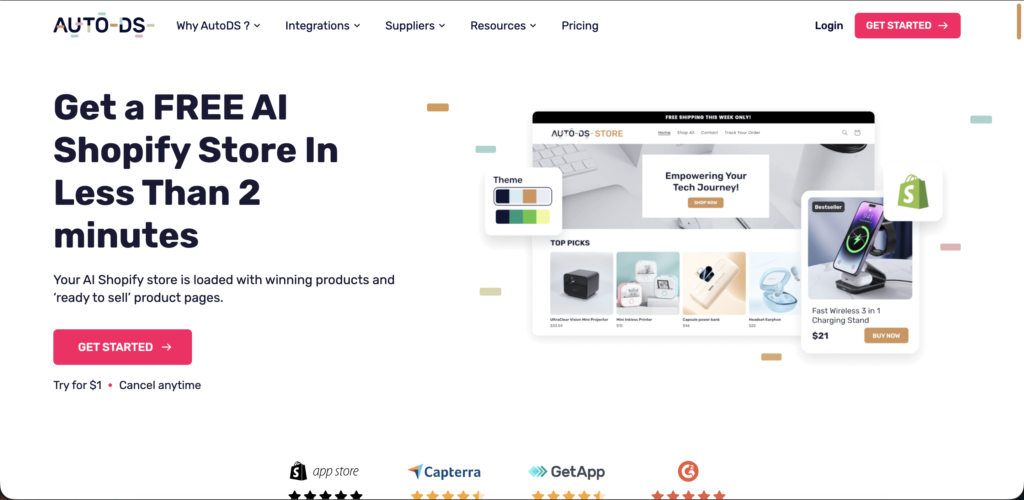
AutoDS is primarily an automation tool that also offers an AI store builder to help you launch quickly. You choose a dropshipping niche like clothing or fitness, and the AI builds the menus, pages, and banners automatically. It also comes pre-connected to the AutoDS dashboard for automated stock monitoring and order fulfillment.
Pros
- Offers an online store that is already pre-loaded with trending products
- Includes the AutoDS system, which handles price monitoring and automatic ordering from suppliers
- AI ensures the logos and theme match the products for a more cohesive look
Cons
- Requires both AutoDS PLUS Shopify subscriptions before you even make your first sale
- Winning templates mean your store can end up looking similar to other stores using the same builder
- AI doing the hard work means most beginners don’t learn how their store actually works
Pricing
Requires an AutoDS Subscription starting around $12.90 per month, in addition to a standard Shopify Plan.
7. Wix
Experience needed: None | Customization: High | SEO-Friendliness: Low
Best For: Small business owners who want creative freedom without touching a single line of code.
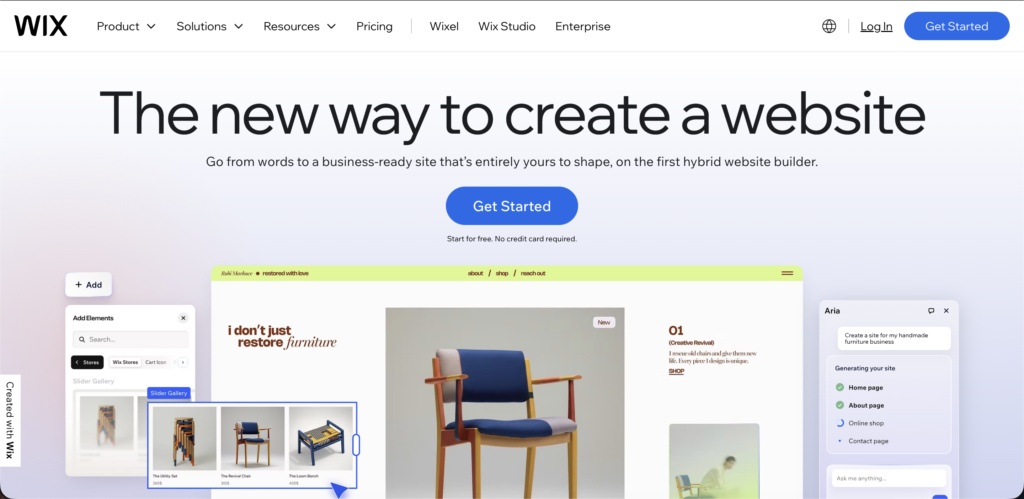
Wix gives you a highly flexible drag-and-drop builder that lets you design your store exactly how you want. The platform connects to the Modalyst supplier network and lets you import dropshipping products with a single click. You can also use Wix’s built-in marketing tools to create email campaigns and social media posts to get the word out about your store.
Pros
- Integrated dropshipping app that connects directly to the supplier, Modalyst
- Includes email marketing and social post creators in one dashboard
- Easily sync your items to Instagram and TikTok for social selling
Cons
- Can’t change your template once the store is live, meaning you have to start again from scratch
- Due to heavy code, your mobile load speed might be too slow for some users
- Not ideal if you plan to manage a catalog of 1,000+ products
Pricing
Core ecommerce plans start at $29 per month.
8. Weebly
Experience needed: None | Customization: Low | SEO-Friendliness: Medium
Best For: People who want the absolute simplest, “no-frills” website possible
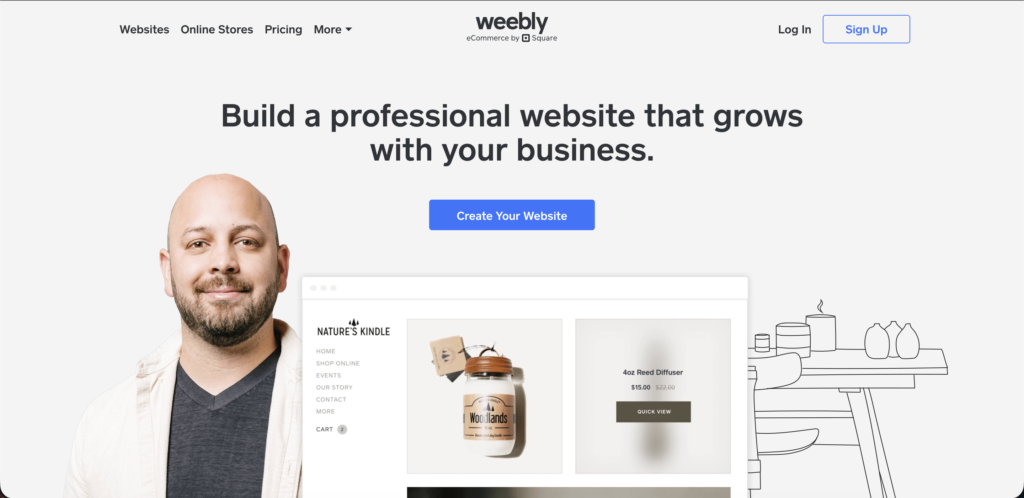
Weebly is a user-friendly website builder that lets you create a simple storefront with drag-and-drop tools. One of its notable features is its integration with Square, which makes it easy to accept payments online and in person. The platform also offers automatic tax and shipping calculators to help you gauge the potential expenses of selling in different locations. All of this makes it a good fit for dropshippers who want a minimalist and efficient setup.
Pros
- Offers a very simple interface and tools to help you go live quickly
- Since it is owned by Square, the payment processing is seamless and very reliable
- Has a free version that can be used to create a simple, clean shop
Cons
- Very few direct integrations with major suppliers like CJ Dropshipping
- The platform starts to feel clunky as you add more items and process more orders from customers
- Feels dated and doesn’t get frequent updates like major dropshipping platforms
Pricing
Professional ecommerce plans start at $12 per month (billed annually).
9. Sellfy
Experience needed: None | Customization: Medium | SEO-Friendliness: Medium
Best For: People looking to sell digital downloads (ebooks, presets) or simple merch
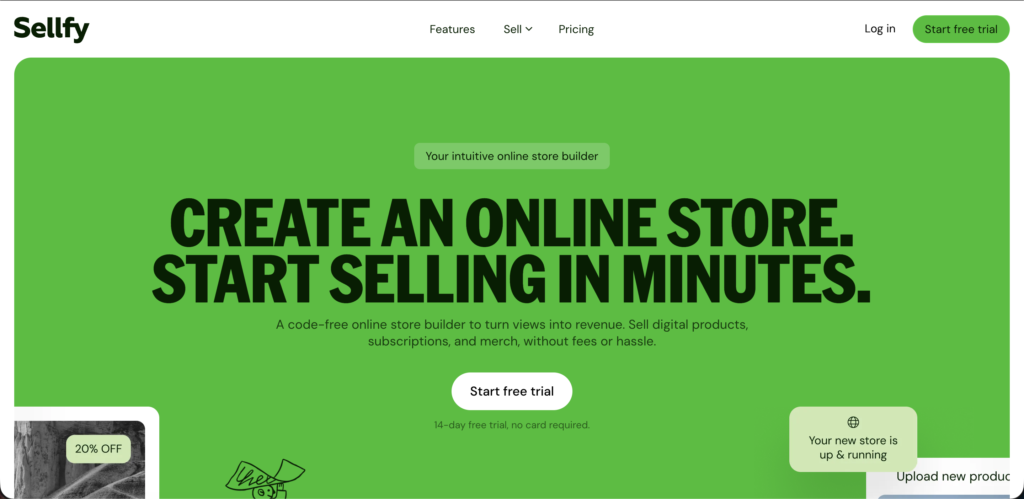
Sellfy is an e-commerce platform with print-on-demand capabilities. With Sellfy, you upload a design and the platform instantly applies it to apparel or accessories without needing to find a third-party supplier. It also lets you create a link-in-bio for social selling, as well as offers built-in marketing tools for promoting and upselling your items to increase average order value.
Pros
- Has built-in POD features that remove the need to search for an outside supplier
- No complex features means you get almost everything on the starter plan
- Link-in-bio selling enables you to capitalize on TikTok and Instagram sales
Cons
- Limited design features make it difficult to create a compelling store
- Hard to connect to AliExpress or other big marketplaces
- The introductory price jumps significantly after the first year
Pricing
Sellfy’s start plans begin at $29 per month.
10. Squarespace
Experience needed: Low | Customization: Medium | SEO-Friendliness: Low
Best For: People who want their store to look like a high-end magazine
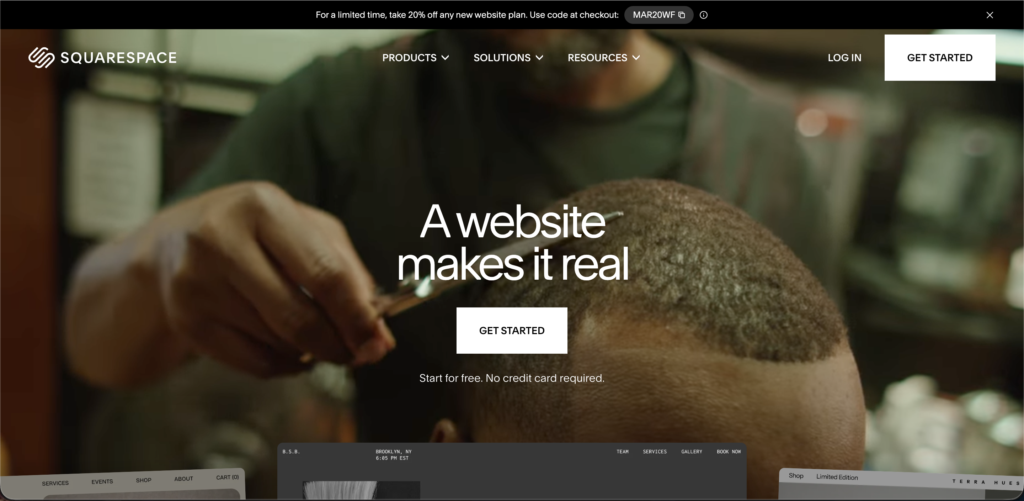
Squarespace is a design-heavy website builder that lets you create stunning online stores with a focus on aesthetics. It directly integrates with platforms like Spocket and Printful and lets you automate the fulfillment process from your site’s backend. Squarespace’s integrated brand ecosystem also includes email marketing and video creation to help you promote the items you list on your store.
Pros
- Has the most stunning templates that make it easy to create a visual impact
- Includes professional analytics and a custom email suite
- Offers official extensions for Spocket and Printful for fulfillment
Cons
- Supports fewer international payment options compared to BigCommerce or Shopify
- You have limited layout options for product pages
- The overall extensions library is tiny compared to Shopify’s
Pricing
The Business plan (the minimum required for a store) starts at $33 per month.
11. Ecwid
Experience needed: None | Customization: Low | SEO-Friendliness: Medium
Best For: People who already have a website and just want to add a “Buy Now” button.
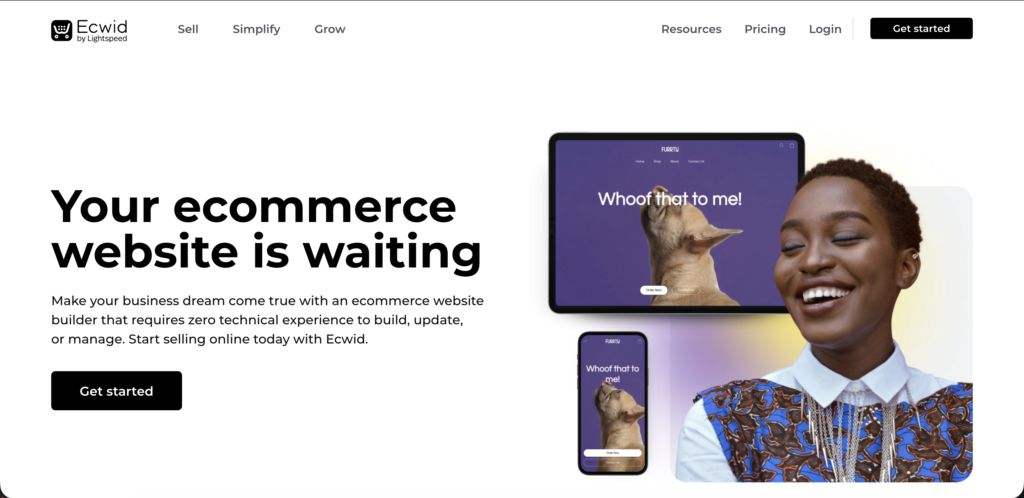
Ecwid lets you embed a shopping cart into any existing website or social media page. With its multi-channel capability, you can manage inventory across WordPress, Facebook, and TikTok from one place. The platform also offers automated tax calculation and supports various dropshipping apps to help you streamline your operations.
Pros
- Can add the Buy Button to an existing WordPress blog or Wix site instantly
- Is one of the only builders that lets you sell up to 5 products for no fee
- Makes it extremely easy to sync your TikTok and Instagram shops
Cons
- Cannot customize the look of the checkout or the product page
- Many automated dropshipping tools are only available on the Business plan
- SEO is hard, as it’s basically a widget that lives on other websites
Pricing
Ecwid offers a free plan for up to 5 products. Paid plans with higher limits start at $19 per month.
12. BigCommerce
Experience needed: Medium | Customization: High | SEO-Friendliness: High
Best For: Serious, high-volume sellers who plan on selling thousands of different products.
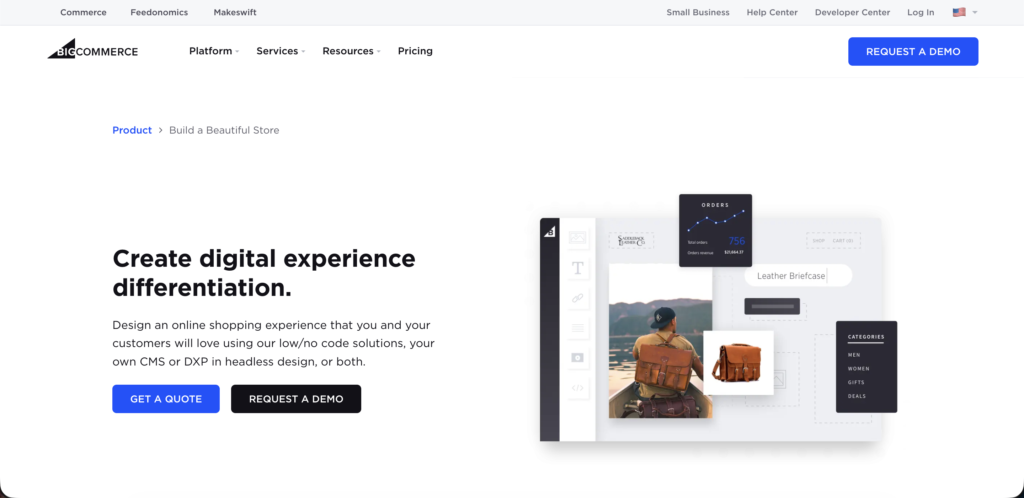
BigCommerce caters to dropshippers doing high order volumes or managing multiple stores at once. It offers advanced design tools out of the box and built-in features like multi-currency and abandoned cart recovery that other platforms charge extra for. You can also connect the platform to suppliers like Spocket and Syncee to import products and sync inventory automatically.
Pros
- Includes things like calculated shipping and product filtering that Shopify requires apps for
- Let’s you manage multiple dropshipping niches from one single login
- Don’t take a cut from sales, so your dropshipping margins stay intact
Cons
- Finding niche dropshipping suppliers is harder than in the Shopify App Store
- Beginners often find the settings and navigation menu overwhelming
- Force you to upgrade to a more expensive monthly plan with higher volume
Pricing
BigCommerce’s standard plan starts at $33 per month.
How to Choose the Best Dropshipping Website Builder (Framework)
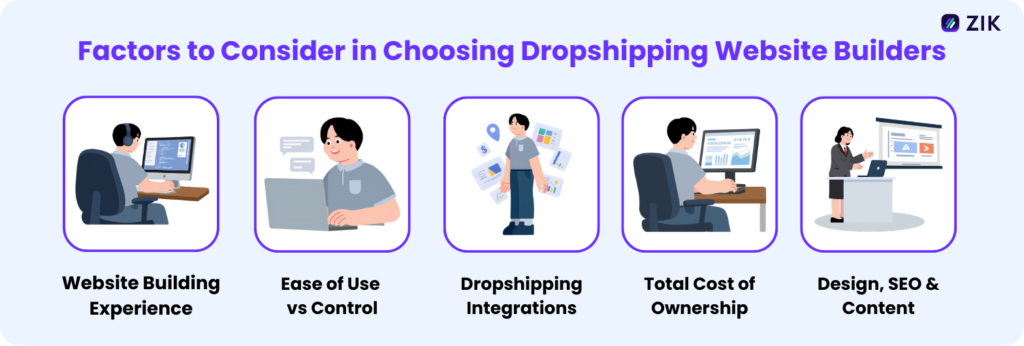
When comparing dropshipping website builders, make sure to follow these criteria to pick the right fit for your needs.
Website Building Experience
How tech-savvy do you consider yourself? Website builders can be as simple or as complex as you want, based on how much experience you’ve had in the past.
If you’ve built websites before, then a DIY option like WooCommerce or Webflow might work for you. But if you’re new to this, a managed platform like Shopify or Hostinger will likely be a better fit since it handles hosting, security, and updates for you.
Ease of Use vs Control
This part of the framework involves making a choice between operational simplicity and granular control over the software.
Beginners should generally prioritize ease of use as they are new to the dropshipping game and want to launch as quickly as possible. Opting for a solution like Shopify that manages all the technical details behind the scenes will save you time while eliminating the need to maintain the site.
For those who require deep customization or want to own their source code to avoid platform fees, a self-hosted website builder like WooCommerce might be a better choice. The goal is to find a “sweet spot” where you have enough design flexibility to build a unique brand without being overwhelmed by technical maintenance.
Dropshipping Integrations & App Ecosystem
Can you count the number of dropshipping integrations and apps being offered by the website builder on your fingers? Then it’s likely that the tool doesn’t have a vast app ecosystem and might not be sufficient for your needs
But if the platform has a wide range of apps like Shopify, then you’re likely to find the functionality you need to automate orders, sync inventory, and scale your store. Make sure to check which suppliers and tools are supported before committing.
Total Cost of Ownership (Not Just Monthly Fee)
When you’re choosing a dropshipping website builder, the subscription fee is just the tip of the iceberg. You also need to account for other costs, such as third-party transaction fees and app pricing to determine the total cost of ownership.
For example, Shopify charges an extra 0.5% to 2% per sale on top of its monthly subscription if you don’t use Shopify Payments. BigCommerce and WooCommerce don’t charge platform transaction fees. That means using Shopify comes with a higher TCO, potentially affecting your choice of platform.
But Shopify also offers lower payment processing rates on higher-tier plans. So if you’re doing high volume, a $79 per month plan might actually cost less than a $29 plan once you factor in the savings per transaction.
Design, SEO & Content
A website is only as good as its ability to attract visitors and convert them into buyers. For this reason, you want to evaluate how each platform handles design, SEO, and content.
On the design side, look for features that build trust with first-time visitors. This includes the ability to add customer reviews with photos, display trust badges near the checkout button, and use clean, professional templates that work well on mobile devices.
For SEO, check if the platform lets you customize URL slugs and automatically generates schema markup so your products show up properly in Google search results.
Build And Fill Your Dropshipping Store with Winning Products Using ZIK Analytics
ZIK Analytics has powerful tools to help dropshippers create their store and fill it with products that are already proven to sell.
However, I specifically want to mention four tools that make building and scaling your dropshipping store easier:
- Shopify AI Store Builder helps you set up your Shopify dropshipping store faster by automating store design and product page creation. Focus on finding products while the AI handles the technical setup.
- Shopify Product Finder shows you which products are selling across Shopify stores. Search keywords and filter by sales to identify winning products, then match them to suppliers with automatic profit calculations.
- Shopify Sales Tracker lets you monitor top dropshipping stores to see which products are moving. Track stores over time to spot new product launches and trending items before competitors catch on.
- AdSpy shows you which ads are driving traffic for products on Facebook and Instagram. Search keywords to see engagement metrics and save winning ads to reference when creating your own campaigns.
Get your ZIK Analytics trial today and start building your dropshipping store with tools designed to help you grow.
Frequently Asked Questions About Dropshipping Website Builder
In this section, I’ll answer the questions people frequently ask about choosing a dropshipping website builder.
What is the Best Dropshipping Website Builder?
The best dropshipping website builder for you depends on your needs and experience level. Shopify is the ideal option if you want an all-in-one platform that handles hosting and maintenance. WooCommerce or BigCommerce might be a better fit if you want more control over your store. If you’re looking to launch quickly without technical hassle, ZIK Analytics AI Shopify Store Builder can get you up and running in minutes.
How much does it cost to build a dropshipping website?
It typically costs between $300 and $600 per month to build a basic dropshipping website. If you exclude marketing strategies and use a platform like Shopify or WordPress with WooCommerce, a dropshipping site can be built for as little as $50-$60 per month. After building your site, make sure to connect it to your supplier’s app to streamline your order management.
Can I create my own website for dropshipping?
Yes, you can create your own e-commerce site for dropshipping. Platforms like Shopify give you the tools to build your site without needing to code. Using website templates, you can create a professional-looking design that captivates buyers while staying true to your brand. Building your own site is often more beneficial than dropshipping on third-party marketplaces, as it allows you to build brand value and foster direct relationships with customers.