
Selling products online is one of the best ways to make money online.
However, not everyone knows which are the best places to list their products. Is Amazon the best choice for its reputation and broad customer base? Or should you start small on a platform like Craigslist or Facebook Marketplace?
To help you decide, I’ve compiled a list of the best online selling sites for 2026, along with what makes each one worth considering.
By listing on the right platform, you can reach more buyers and sell to customers who are already looking for what you have to offer.
Major Online Marketplaces
Many people start their journey on online marketplaces. These platforms give you access to an existing audience and offer built-in tools to manage listings and payments. Below are some of the best ones available.
| Platform | Fees | Best For |
| eBay | 13.25%–13.6% final value fee | Used goods, collectibles, and niche items |
| Amazon | $39.99/month + 8%–15% referral fee | Brands that want fast fulfillment through FBA |
| Walmart Marketplace | 6%–15% referral fee, no monthly fee | Established sellers with proven products |
| TikTok Shop | 6% commission | Impulse buys through video and live shopping |
| Facebook Marketplace | Free for local sales | Large or bulky items sold locally |
| Etsy | $0.20 listing + 6.5% transaction fee | Handmade and craft goods |
| Mercari | 10% selling fee | Used electronics and everyday fashion |
| Craigslist | Free for most items | Furniture, cars, and heavy local items |
| Poshmark | 20% on sales $15+ | Fashion and accessories |
| Depop | Free for US sellers | Streetwear and vintage fashion |
| Handshake | Free, no commission | Makers selling wholesale to retailers |
eBay
- Best for: Selling used goods, vintage electronics, and bulk lots to a global audience.
- Typical fees: eBay offers 250 listings per month for free, with a $0.30 fee per additional listing and final value fees between 13.25% and 13.6%.
- Audience reach and market size: eBay has around 132 to 134 million active buyers across 190 markets, with over $74 billion in merchandise sold.
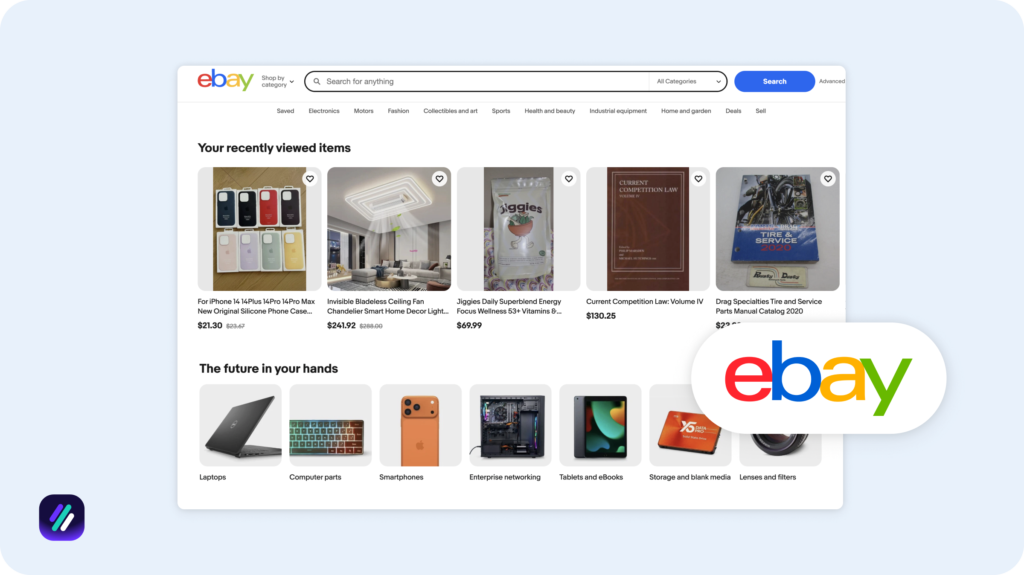
eBay remains one of the largest online marketplaces for the average person looking to declutter or sell items. It protects sellers from payment scams and makes it easy to list products using barcode scanning and photos. eBay users also get access to heavily discounted shipping labels and can easily print labels at home.
Pros
- eBay gives you instant access to millions of buyers without spending on ads.
- You can resell globally through eBay’s international shipping program without managing customs yourself.
- It works better than most platforms for used goods, collectibles, and niche items.
Cons
- Success takes time since competition is high and buyers have plenty of alternatives to choose from.
- Limited branding makes it hard to build a unique store identity that customers remember.
- Since eBay does not handle fulfillment, you are responsible for packing, shipping, and managing returns yourself.

Amazon
- Best for: Selling new and private label brands while leveraging FBA for fast shipping
- Typical fees: Amazon’s individual plan is $0.99 per item, whereas the professional plan costs $39.99 per month.
- Audience reach and market size: Amazon has over 300 million active customer accounts globally and generated over $750 billion in estimated annual global GMV.
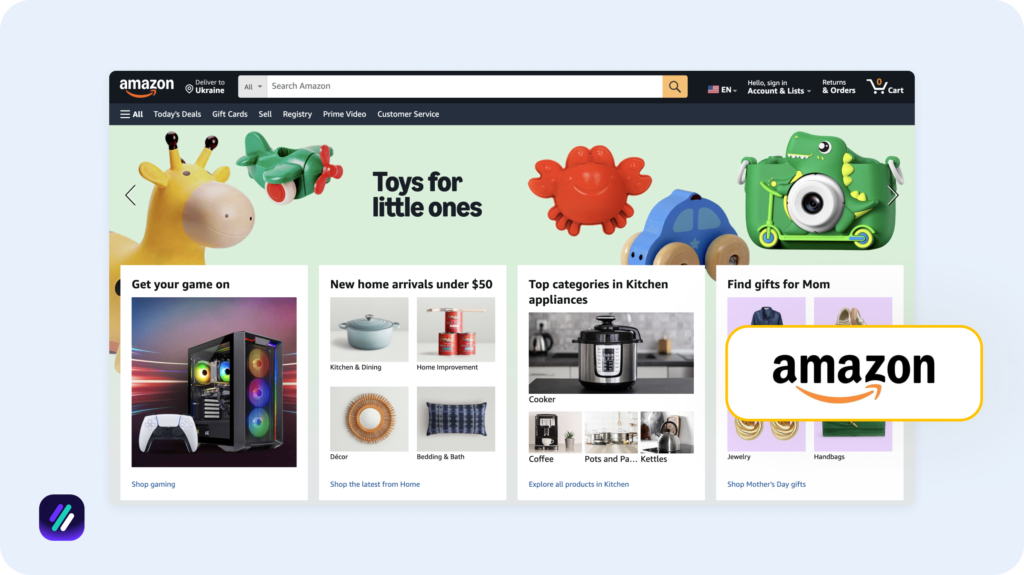
Amazon is the most popular online marketplace in the world, and for good reason. It gives you access to hundreds of millions of buyers and lets you hand off storage, packing, and shipping through FBA. You also get the benefit of Amazon’s reputation, which helps new sellers earn trust from day one.
Pros
- Amazon also gives you access to hundreds of millions of shoppers worldwide.
- It offers a fulfillment service where it stores and ships the orders on your behalf
- It has built-in tools like sponsored listings and analytics to help you manage and grow sales.
Cons
- A lot of your revenue goes toward fees that Amazon charges for referral and fulfillment.
- Since you cannot market to buyers outside the platform, Amazon owns the customer relationship.
- Account suspensions can happen quickly if you miss a compliance requirement or receive too many negative reviews.
Walmart Marketplace
- Best for: Established brands and high-volume B2C merchants offering new, high-demand electronics and home goods.
- Typical fees: Walmart has a “pay-as-you-sell” model with referral fees ranging from 6% to 15% based on the product category.
- Audience reach and market size: Walmart attracts over 438 million monthly visitors, and the company recorded over $120 billion in online revenue.
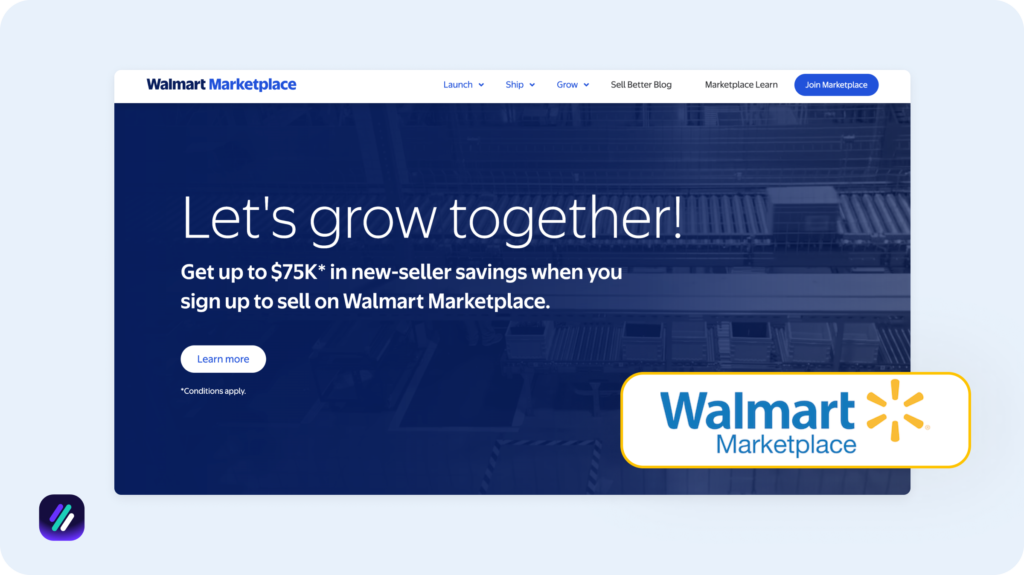
Walmart Marketplace is a curated e-commerce platform that allows professional third-party sellers to list their products on Walmart.com alongside Walmart’s own inventory. It is considered one of the best online selling websites due to its massive, loyal customer base and low seller saturation compared to competitors like Amazon.
Pros
- There is less competition on this platform as it has fewer sellers than Amazon’s millions
- Walmart does not charge a monthly subscription fee and only takes a referral fee when something sells
- It gives you instant credibility as you associate with a brand trusted by over 100 million monthly visitors worldwide
Cons
- Getting approved is difficult since Walmart is selective of who they allow on its platform
- Strict pricing rules mean you cannot sell the same product cheaper on another platform
- Customer support is slower and less developed compared to other major marketplaces.
- Mostly only the US market
TikTok Shop
- Best for: Driving impulse buys through viral video content and live shopping
- Typical fees: TikTok charges a base commission fee of 6% on most US sales, plus payment processing.
- Audience reach, market size, and revenue: Over 40 million active shoppers are expected to drive $20 billion in sales on the app, with more than 171,000 small business merchants already selling.

TikTok Shop is a social commerce feature that allows brands and creators to sell products directly within the TikTok app. Using short videos, livestreams, and a dedicated shop tab, you can showcase products and complete the sale without the customer ever leaving the platform.
Pros
- TikTok Shop is a platform where your items can go viral with the right footage and content
- It enables customers to buy your products without leaving the app, leading to impulse purchases.
- You can find and partner with creators who promote your products for a commission
Cons
- It requires consistent posting and effort to generate sales from TikTok
- TikTok has bound US sellers to use its fulfillment service
- Your TikTok Shop Performance Score (SPS) has a direct impact on your overall profitability
Facebook Marketplace
- Best for: Selling used goods and large items directly to local buyers in your community.
- Typical fees: Free to list and free for local, in-person cash sales. Shipped orders incur a 5% to 10% fee.
- Audience reach, market size, and revenue: Facebook Marketplace has more than 1.1 billion monthly active users globally in 228 countries, with an estimated gross merchandise volume of around $98 billion.
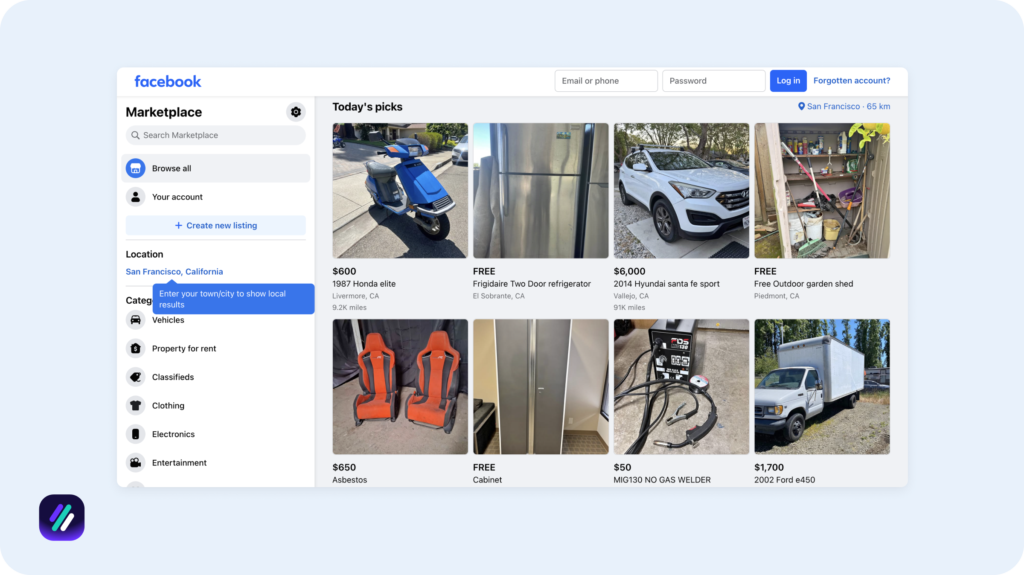
Facebook Marketplace is a built-in feature of the Facebook app that lets you buy and sell goods within your local area. It charges no fees for local sales and makes it easy to connect with nearby buyers through your existing Facebook account.
Pros
- You can keep 100% of your profit when you sell locally for cash
- Facebook Marketplace makes it easy to negotiate and arrange for pickup via Messenger
- Having the ability to view a buyer’s Facebook profile makes it simple to gauge their legitimacy
Cons
- The platform is a frequent target for overpayment and other types of scams
- Existing sellers report that buyers may not show up or ghost the pickup
- Unlike platforms such as Poshmark or eBay, Facebook offers minimal dispute resolution if a transaction goes wrong.
Related: eBay vs Facebook Marketplace
Etsy
- Best for: Selling handmade and craft supplies to a community-driven audience
- Typical fees: Etsy charges $0.20 per item listed (valid for 4 months or until sold), a 6.5% transaction fee on the total sale price (including shipping), and 3% + $0.25 payment processing fees.
- Audience reach and market size: Etsy has over 86 million active buyers in nearly 200 markets, with a record annual revenue of over $2.8 billion.
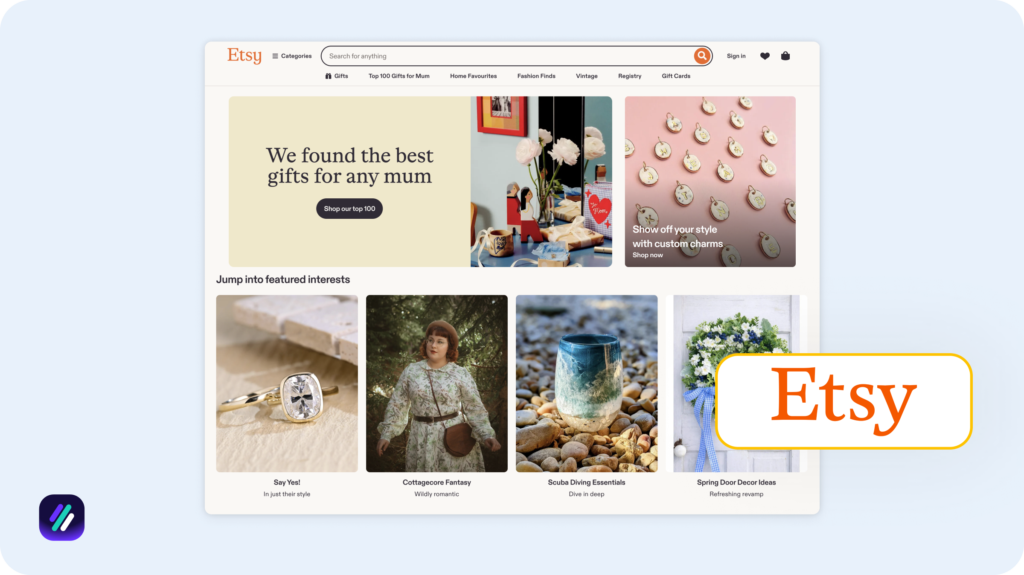
Etsy is the perfect platform for those who want to sell handmade or personalized items. Most people visiting the site are already looking for unique goods and are willing to pay more for them. Etsy also handles payments and tax calculations in many regions, taking some of the admin work off your plate.
Pros
- Etsy’s 500 million monthly visitors remove the need to drive your own traffic
- The platform makes it dead simple to set up a Shop and handles payments and taxes in many locations
- It offers market research tools to help you test demand and learn how buyers search for products
Cons
- Thousands of sellers mean there’s high competition in most categories
- It’s mandatory to enroll in Etsy’s advertising once your shop crosses $10,000 in annual revenue
- It’s difficult to build a distinct visual brand as you are restricted to Etsy’s layout.
Mercari
- Best for: Fast sales of used goods, including electronics, fashion items, and vintage products.
- Typical fees: Sellers pay a flat 10% selling fee based on the item price and buyer-paid shipping, along with a 3.6% Buyer Protection fee.
- Audience reach and market size, revenue: Etsy has over 20 million active users in the US. Its parent company (Mercari Japan) generated roughly 192.6 billion JPY in annual revenue.
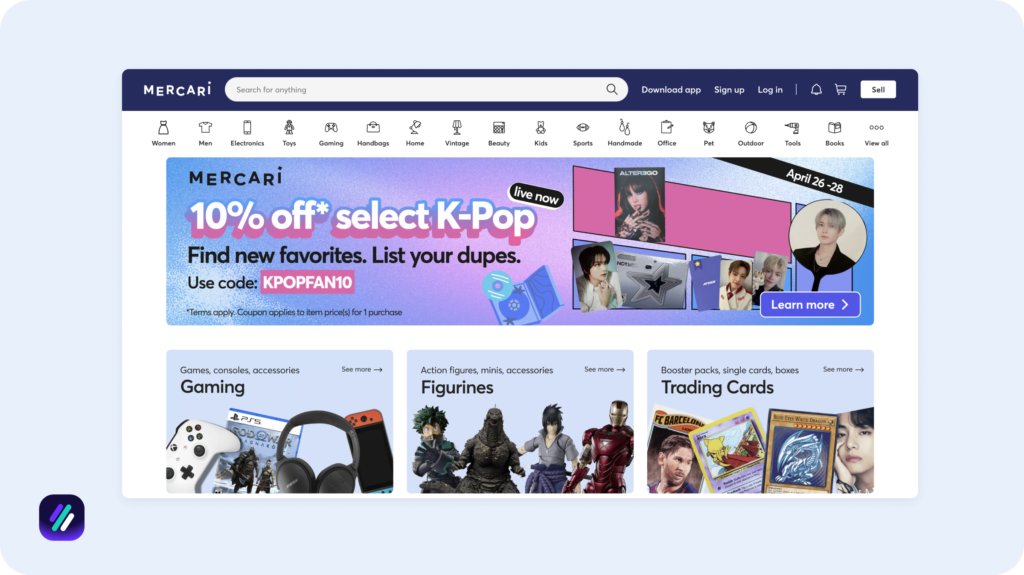
Mercari is a mobile-first marketplace that lets you list items in minutes. It provides prepaid shipping labels and pays out the next business day after delivery is confirmed. Mercari works well for selling a wide range of items, including electronics, toys, and collectibles.
Pros
- Mercari is very user-friendly, allowing you to list items in under five minutes from a phone.
- Mercari provides prepaid, discounted shipping labels that eliminate the hassle of calculating rates.
- Unlike with Poshmark, you don’t need to “share” or participate in social aspects to make sales.
Cons
- Buyers often expect very low prices, which can mean lower profit margins compared to eBay.
- High-value items might take longer to sell on Mercari due to the nature of its audience.
- There have been reports of the platform siding with buyers when it comes to claims around fraudulent returns.
Craigslist
- Best for: Local in-person sales of large items like furniture and used cars where shipping is not practical.
- Typical fees: Free for most general merchandise listings, with fees ranging from $3 to $75 for specific categories like jobs, services, and vehicle listings.
- Audience reach and market size: Craigslist draws hundreds of millions of visits monthly and remains dominant in US classifieds, though estimated revenue has declined to around $302 million recently.
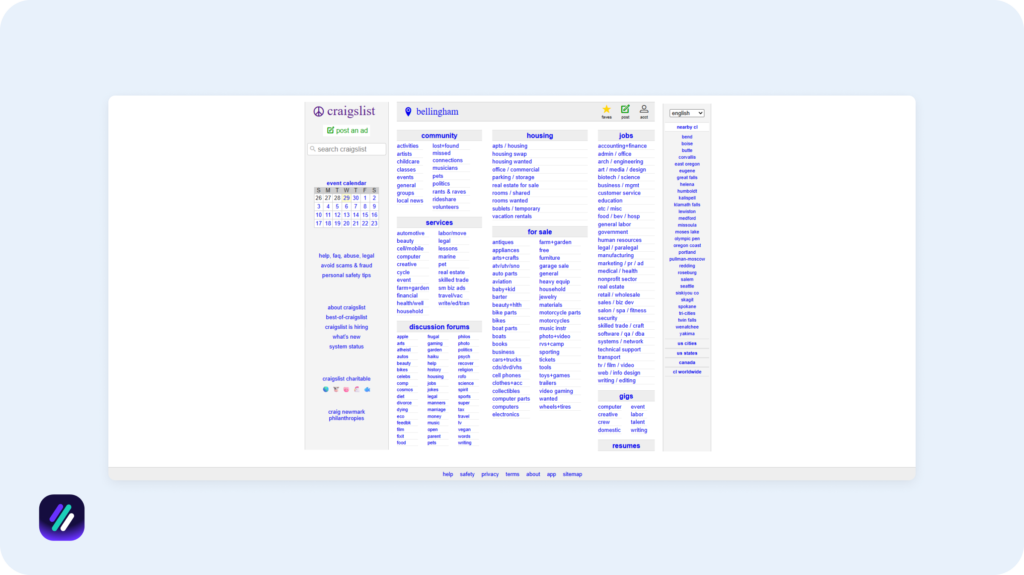
Craigslist is a city-specific classifieds site for local buying and selling. It charges no commission fees and keeps things simple with no algorithms or required profiles. It works best for large items like furniture or cars because buyers are nearby and transactions happen in person with cash.
Pros
- Craigslist connects you with people in your immediate community, allowing for fast, face-to-face cash transactions
- The interface is uncluttered with no pop-up ads or complex algorithmic feeds.
- You can sell anonymously with Craigslist-generated email masking your personal contact information.
Cons
- Craigslist asks you to handle your own safety and does not offer anything like buyer protection or escrow.
- Your listing is strictly confined to your local geographical area, making it difficult to sell niche items that require a broader audience.
- Legitimate ads can sometimes be flagged and removed by others, requiring reposting at times.
Poshmark
- Best for: Selling fashion accessories and curated boutique goods to Gen Z and millennial audiences
- Typical fees: Free to list, with a flat commission fee of $2.95 on sales under $15, and 20% on sales $15 or more.
- Audience reach, market size, and revenue: Poshmark has over 100 million registered users and operates in a sector projected to cross $90 billion in valuation.

Poshmark is a social marketplace for secondhand fashion where you list items from your phone and only pay a fee when something sells. It handles shipping through a flat-rate prepaid label, removing the need to weigh packages or calculate postage yourself.
Pros
- You can list items in minutes directly from your phone and get a pre-paid USPS label for packages
- The platform lets you list items for free and calculates and remits sales tax automatically
- It reduces the risk of scams by holding funds in escrow until the product is delivered and accepted
Cons
- Poshmark charges a higher commission and fees than many other marketplaces.
- It requires sellers to actively share their items and participate in virtual parties to gain visibility in its search
- Buyers on Poshmark frequently expect discounts, and lowball offers are common on this marketplace.
Depop
- Best for: Selling trendy, Y2K-era fashion and curated apparel to a Gen Z social audience.
- Typical fees: Selling in the US and UK is free aside from a 3.3% plus $0.45 payment processing fee. International sellers pay a 10% fee,
- Audience reach and market size: Depop has more than 56 million registered users and over $6 billion in total merchandise sold.
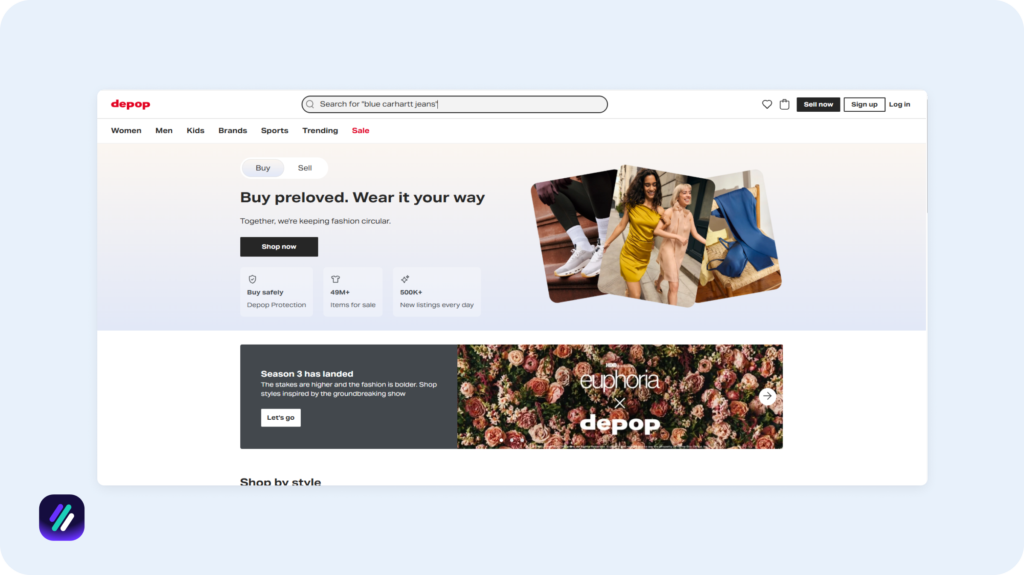
Depop is a popular online fashion platform specializing in Y2K, streetwear, and unique clothing. For the average person looking to clear out their closet, it offers a stylish alternative to eBay, though it requires more effort in curation and photography. Often described as the “Instagram of shopping,” this platform is considered one of the most profitable places to sell in the US due to the removal of seller commission.
Pros
- Depop offers a highly engaged audience that often pays higher prices than generic sites.
- The platform makes it easy to generate USPS or Evri labels, which simplifies the shipping process.
- Sellers can follow shops and like items, creating a social experience that can help you build a loyal customer base.
Cons
- You often need to model clothes or have high-quality lighting and flat-lays to get traction.
- Payouts can be slow and sometimes take up to 10 working days after a sale for new sellers.
- Depop users are mostly under 26, which can lead to frequent lowball offers and potential issues with buyers backing out
Handshake
- Best for: Independent makers and brands looking to sell curated goods to retail shop owners
- Typical fees: Free to list with no commission fees, though you need an active Shopify store and must go through an application approval process.
- Audience reach and market size, revenue: Handshake has thousands of independent retailers exclusively based in the United States, with a curated audience primarily focused on finding unique products.
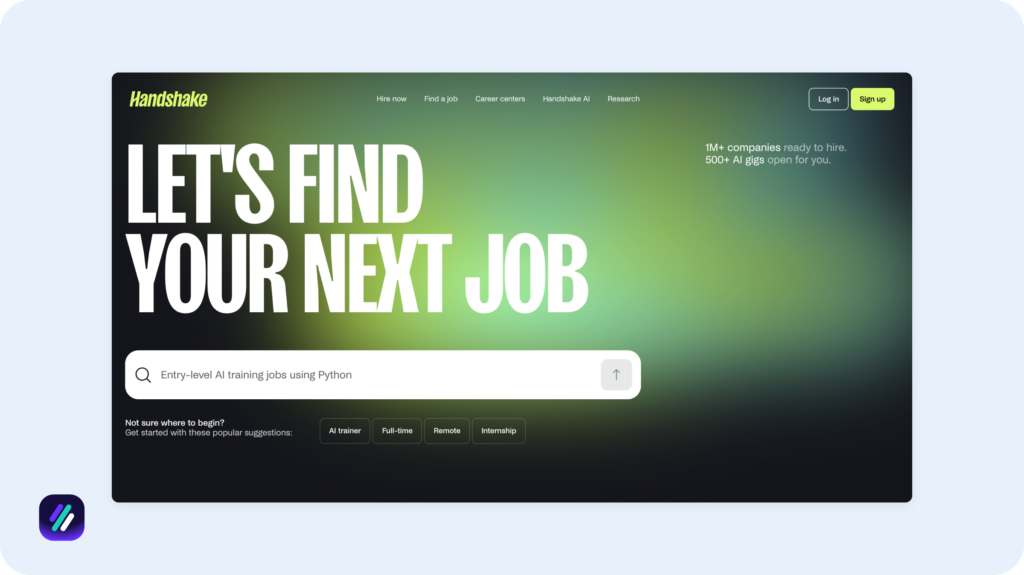
Handshake is a wholesale marketplace owned by Shopify that connects independent brands with retail buyers. Instead of selling one item at a time, you sell in bulk to boutiques and shop owners. Handshake also reviews every seller before listing them to keep the platform credible.
Pros
- Unlike Etsy or Amazon, Handshake currently does not take a percentage of your sales.
- It integrates seamlessly with Shopify, syncing your products and orders directly into your existing dashboard.
- The platform connects you with legitimate retailers that allow for higher sales volume
Cons
- Handshake requires a track record in that you must have an active, US-based store with past history of sales
- It prohibits reselling and requires you to curate your own products on the platform
- As this is a niche website designed to promote wholesaling, you are likely to get less traffic than on a retail-focused site like Etsy.
Website Building Platforms
If you would rather build your own store than sell on someone else’s platform, here are some of the options you could use to get started.
| Platform | Pricing | Pros |
| Shopify | $5–$39/month | Full control over your store and customer data |
| WooCommerce | Free + $200–$1,500/year | No platform fees or percentage cuts on sales |
| Wix | $29–$159/month | Drag-and-drop editor with 900+ templates |
Shopify
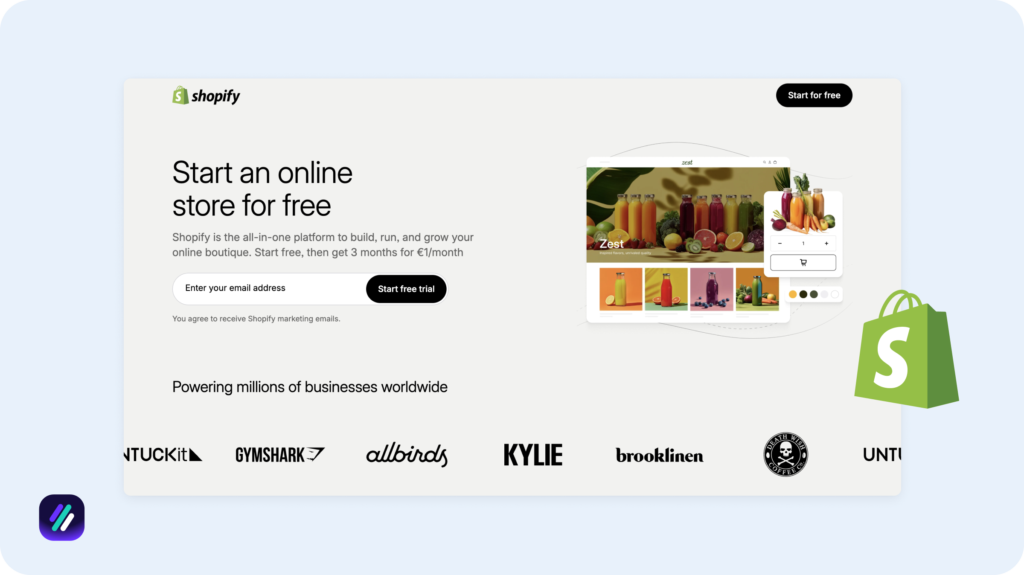
Shopify is a hosted platform that makes it easy to build and run an online store. It handles hosting, security, and payments, which are things that marketplace platforms leave you to figure out elsewhere. Shopify lets you integrate with social media and marketplaces from the same dashboard.
Pros
- Shopify gives you more control over your customer data than any marketplace platform.
- It requires no coding and can generate store designs and product descriptions using built-in AI tools.
- Payment fees are lower when you use Shopify’s built-in payment processor.
- Shopify also offers dropshipping and can sync with marketplaces to enable multi-channel sales
Cons
- Most advanced features on Shopify require paid third-party apps, which can add to your cost.
- It does not offer a built-in audience like Etsy or TikTok Shop, so driving traffic through ads or SEO is your responsibility.
Pricing
Shopify starts at $5/month for social selling and goes up to $39/month for a full store
WooCommerce (WordPress)
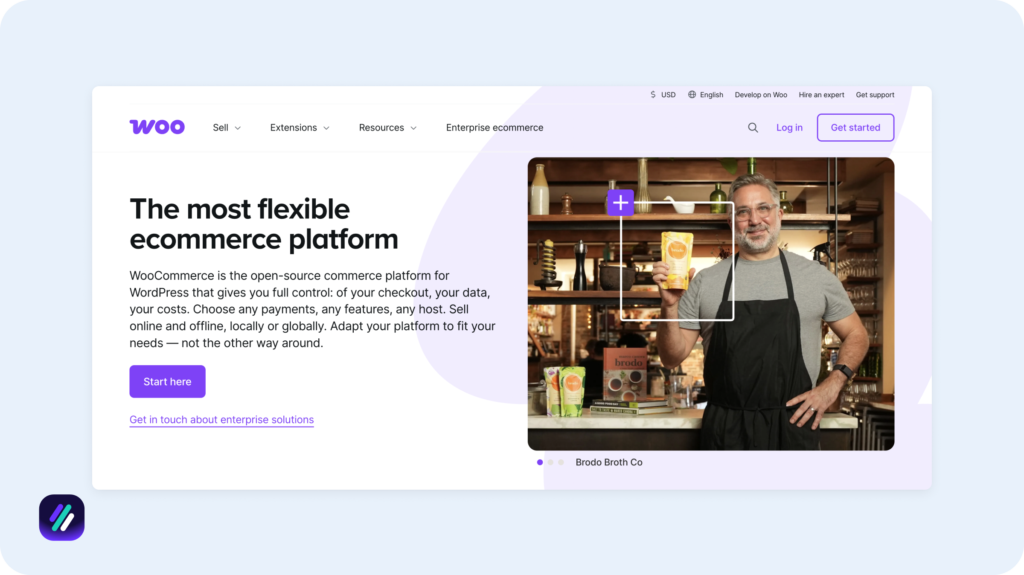
WooCommerce is a plugin for WordPress that lets you turn a website into a fully functional online store. Once set up, you can customize the design and manage products on your own terms. But since it is self-hosted, you are responsible for maintaining security, updates, and hosting yourself.
Pros
- WooCommerce lets you maintain complete control over your customer data and storefront
- It is cost-effective for high-revenue stores since there are no platform fees or percentage cuts taken from your sales.
- You can use the WordPress ecosystem, known for its blogging and SEO tools, to build content that drives organic traffic.
Cons
- There is a learning curve to setting up and managing your own store on WooCommerce.
- Although the core software is free, adding quality hosting and essential extensions can make startup costs higher than expected.
- Plugin updates can sometimes cause compatibility issues that break parts of your store.
Pricing
Although you can install WooCommerce on a WordPress site for free, you still have to pay for hosting, a domain, and essential plugins, costing anywhere between $200 and $1,500 per year for most small stores.
Wix
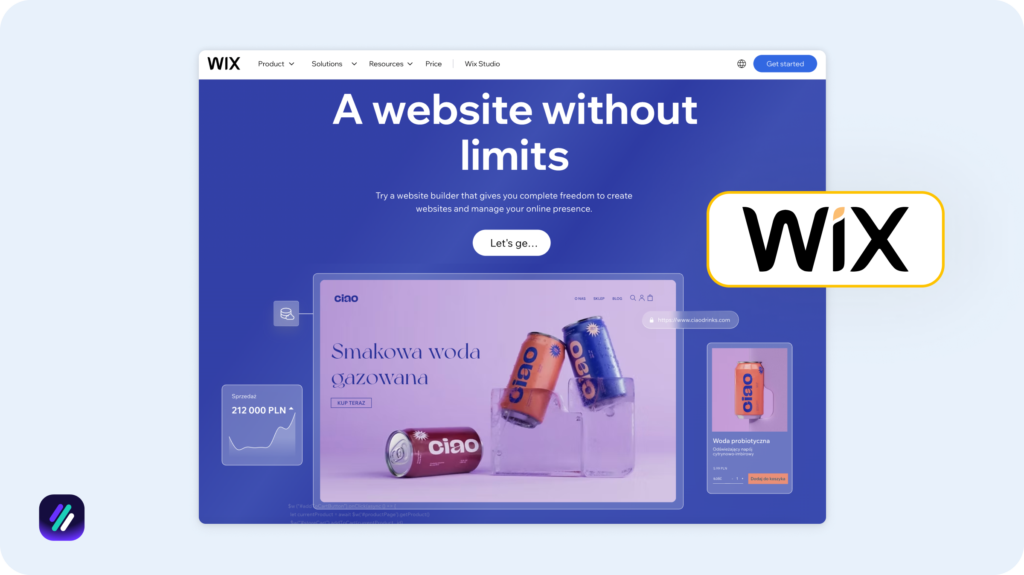
Wix is a good option if you are looking for a simple way to get a store up. With a drag-and-drop editor and built-in hosting, it makes it easy to launch quickly. Wix also has an AI tool that can build a site for you in minutes based on a few prompts.
Pros
- Wix’s drag-and-drop editor allows you to place elements anywhere on the page.
- You get to choose from over 900+ professionally designed, mobile-responsive templates.
- The platform’s smart AI tools can help you build a store quickly using your vision and preferences
Cons
- Wix doesn’t let you switch to a new template without rebuilding your site from scratch
- It can become sluggish when you add too many elements or upload more files
- Its closed nature makes it very hard to export your site to a different platform like WordPress later.
Pricing
Wix plans start at $29/month for basic e-commerce and go up to $159/month for unlimited storage and advanced tools.
Find Winning Products with ZIK Analytics
ZIK Analytics has a suite of tools to help you find winning products to sell on the online platforms we covered above.
However, I want to highlight three tools that make product research and validation easier across multiple selling sites:
- eBay Product Research Tool shows you which products are ranking highest in eBay’s search results based on sales volume. Search keywords and filter by price to identify profitable items with proven demand.
- Shopify Product Research Tool lets you see which products are selling across Shopify stores. Search keywords and filter by sales to identify trending items that work well for your own online store.
- AdSpy Tool shows you which ads competitors are running on Facebook and Instagram for their online stores. Search keywords to see engagement metrics and save winning ads to reference when building your own campaigns.
You can also use the Shopify Sales Tracker to monitor successful stores and the Shopify Store Finder to discover profitable online stores by revenue.
Get your ZIK Analytics trial today and start finding products that are already generating sales across the best online selling sites.
Frequently Asked Questions about Best Online Selling Sites
In this section, I’ll answer the questions people frequently ask about using online selling sites.
What is the best site for selling things online?
The best site for selling things online depends on what you are selling. Facebook Marketplace occupies the top spot if you’re selling large items. Etsy tends to perform better for arts and crafts and other handmade items. If you’re a fashion enthusiast, Poshmark is the best platform for selling your apparel online.
What platform is easiest to sell on?
The easiest platforms to sell on depend on what you are selling. Facebook Marketplace is best for selling bulky items locally in person. Amazon is best for selling high-volume, mainstream products. Gumroad or Etsy are top choices for digital or handmade goods for different audiences.
Is there a better place than Facebook Marketplace?
Yes, some places are better than Facebook Marketplace for certain types of sales. OfferUp and Nextdoor are safer for local transactions, eBay offers a larger audience with better seller protection, and niche platforms like Poshmark or Reverb tend to attract more serious buyers than Facebook Marketplace does.
Which online selling platform is best for beginners?
Facebook Marketplace is the best starting point if you want to sell locally with no fees or setup. For handmade or creative products, Etsy gives you a ready-made audience from day one. Shopify is a better fit if you want to build a proper branded store from the ground up.