
Looking for the best dropshipping tips to grow your store?
Dropshipping is a business model that can generate consistent income when done right. However, it’s not as simple as listing products and waiting for sales to roll in.
Where do you start? What tools do you use? Do you automate everything or handle tasks manually? How do you find reliable suppliers and products that actually sell?
To help you start off on the right foot, we’ve curated a list of actionable dropshipping tips from industry experts who’ve built successful stores.
Key Takeaways
- Dropshipping is not a get-rich-quick scheme and requires patience and dedication to build a successful business
- Having multiple dropshipping suppliers eliminates the risk that stockouts or supplier term changes will hurt your business
- Tools like ZIK Analytics can help you find and validate winning products while also giving you data on competitors’ catalogs
- Treating dropshipping as a real business is key to long-term success
Here’s what our experts had to say:
1. Research Your Market & Niche
Every dropshipping journey should begin with brainstorming and market research. The goal of these activities is to check basic viability before diving deep into a niche.
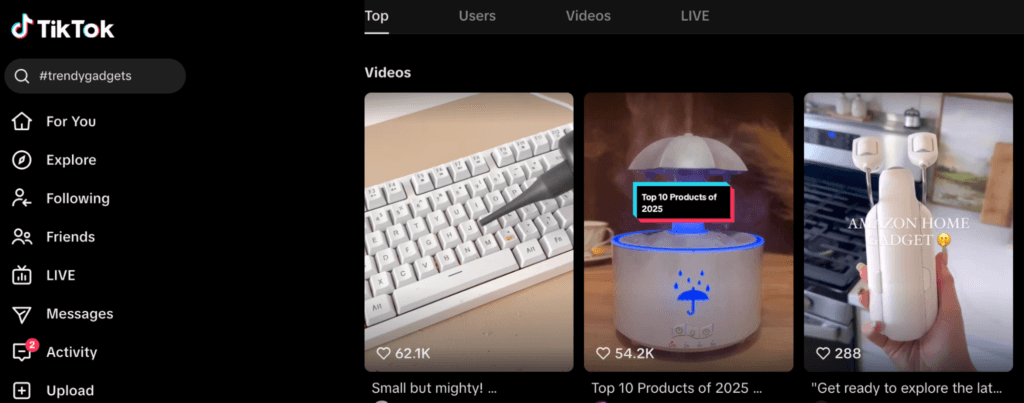
You can do a quick initial scan by going through the best sellers’ list on sites like Amazon and eBay to see what is currently in demand. TikTok hashtags like #trendygadgets and Reddit forums related to specific niches can also be good for product ideation.
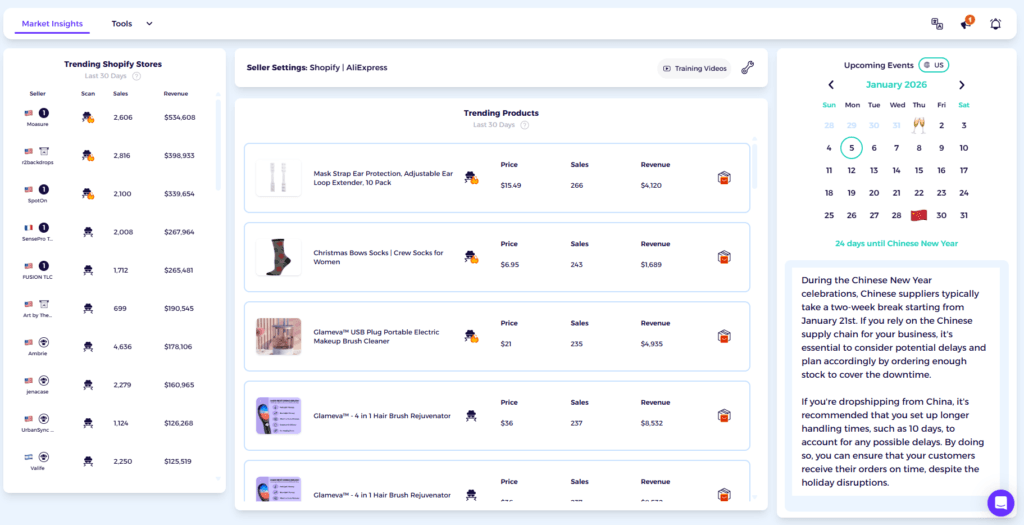
Additionally, you can use ZIK Analytics to see trending products and check trending US Shopify stores, along with their products.
For in-depth market research, tools like Ahrefs can provide monthly search volumes and competition levels for keywords.
Remember that specific keywords like “rewashable plush toy for 3 year olds” have less competition and higher purchase intent than broad keywords like “plush toy.”
2. Find Best Selling Products in Your Niche
Finding the best products for dropshipping comes down to validating demand and checking metrics like sell-through rate and revenue.
You can use a dropshipping product research tool like ZIK Analytics to gauge the performance of different items.
Our Shopify Product Finder tool helps you research products across different categories. You also get data like estimated revenue and sell-through rate to help you find potential best sellers for your online store.
To use it, log in to your ZIK Analytics account and select Shopify as your marketplace. Then scroll to the left sidebar and click the Product Explorer icon.
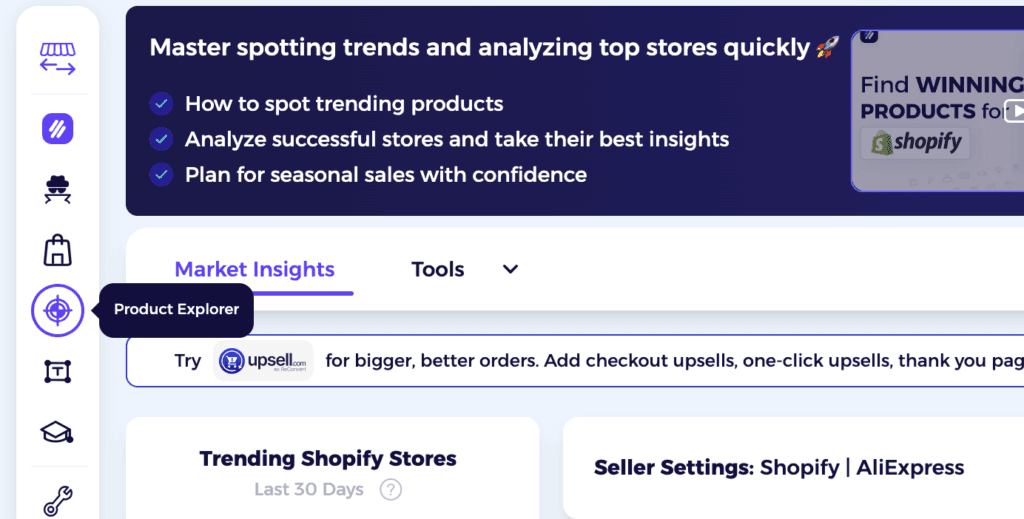
In the Product Explorer dashboard, enter the niche or category you want to research. With ZIK, you can also use filters like country, language, product type, and sales date range to narrow down your results.
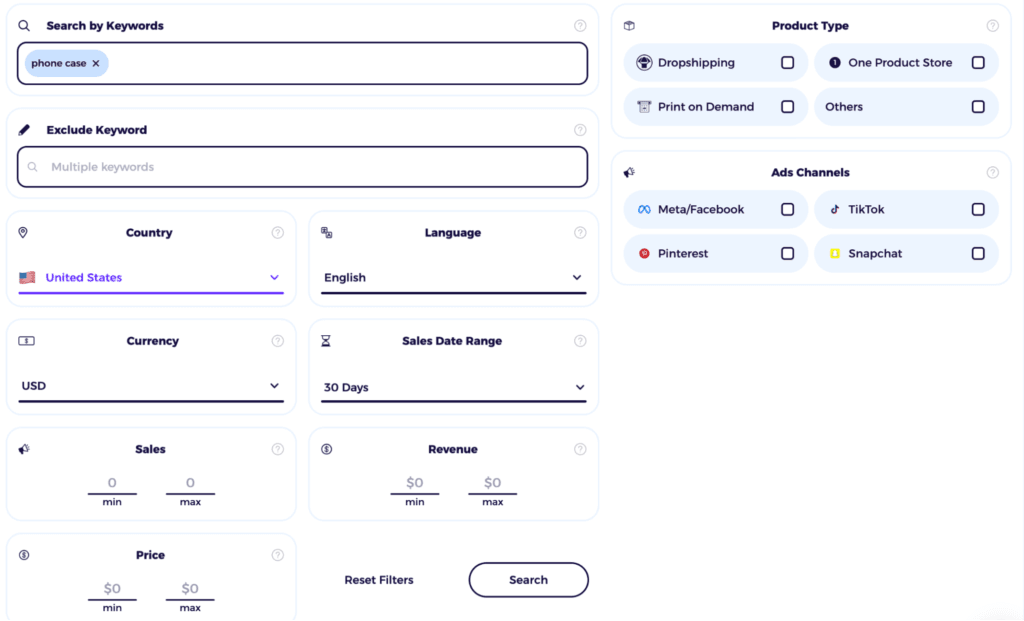
Click the Search button, and then ZIK will give you a list of items currently being sold on the market.
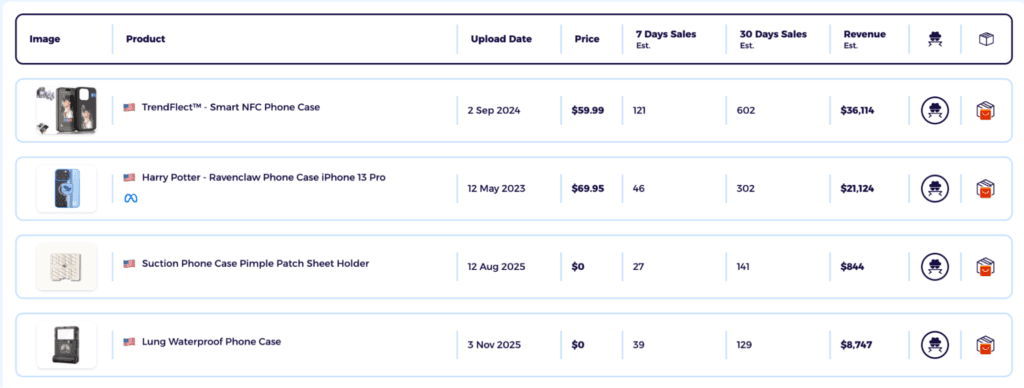
The top 3-5 products can be considered as best sellers, since ZIK compiles the product list based on their estimated revenue and sales performance.
3. Use High-Quality Product Images
High-quality product images are non-negotiable for dropshipping, as people rely solely on visuals to assess the product and make a buying decision. Ordering samples from the supplier and taking your own pictures is the best way to get original, high-quality product images.
You should capture multiple angles to show the item from every side. Take close-up shots too so that people can use the zoom function to assess texture and other specifics of the product.
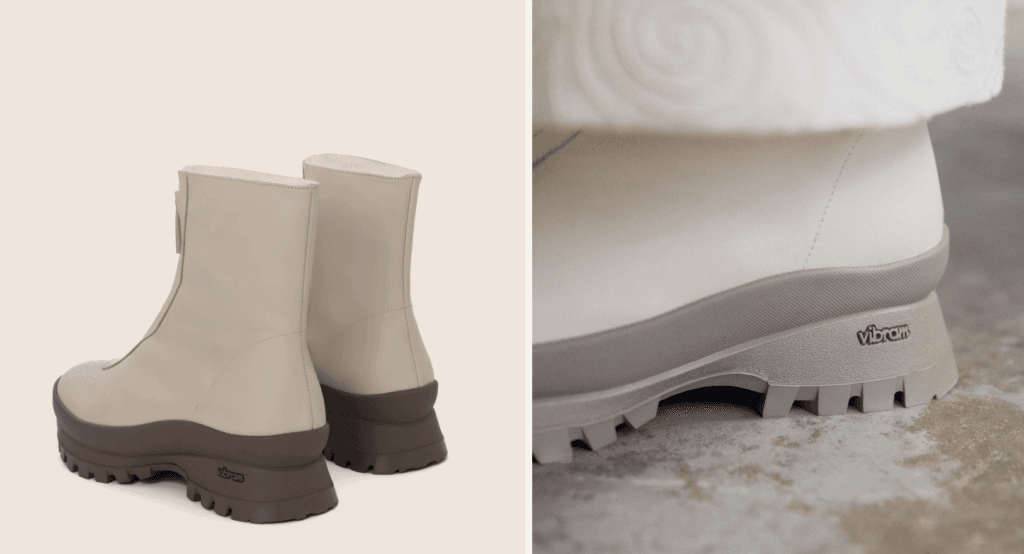
Most smartphones work well for capturing these images, and you can also use a DSLR if you have access to one.
You can use editing software to adjust brightness and contrast, as well as fix any imperfections. Plus, make sure to have a consistent visual style for all images to build a memorable brand identity.
4. Keep Up with Trending Products
Selling trending products is a great way to attract customers to your store and profit from emerging demand.
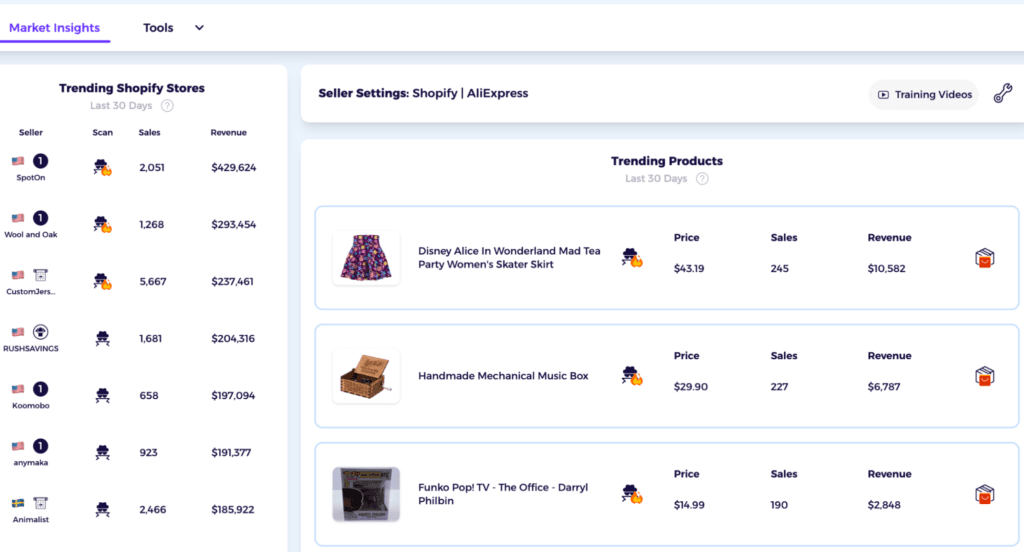
The fastest way to find trending products is to check ZIK Analytics’ Shopify Market Insights. This contains information on trending AliExpress and Shopify products along with live sales data such as total revenue, units sold, and price.
You can also check Pinterest or TikTok to identify dropshipping products that keep showing up in people’s feeds. These are likely to be trending items as people love to discuss and showcase new offerings on social platforms.
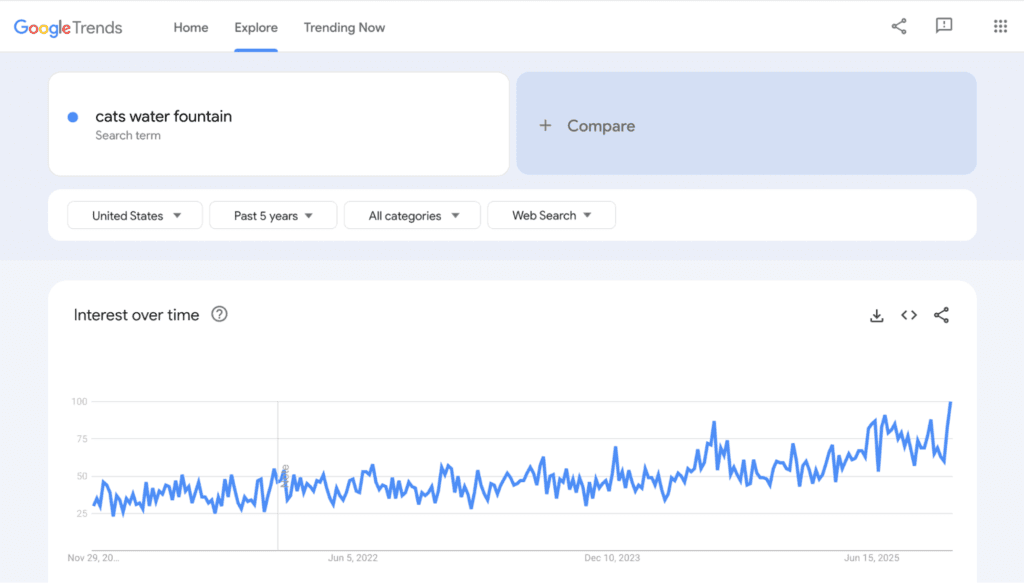
You can also use Google Trends to cross-validate interest in a particular item. Enter the product keyword in Google Trends’ search bar and click Explore. The tool will then show you a graphic indicating growth or slowdown of demand over a certain period.
5. Have Several Dropshipping Suppliers
This one is close to my heart, because I’ve had the experience of using a single supplier who ran out of stock for one of my best sellers, that too during the holiday season.
Having multiple suppliers can help you avoid the same fate. If one can’t fulfill the order, another can provide the stock to prevent lost sales.
Using different suppliers also enables you to diversify your product range and target a broader set of customers. Plus, you’re able to compare prices and negotiate better deals to improve your profits.
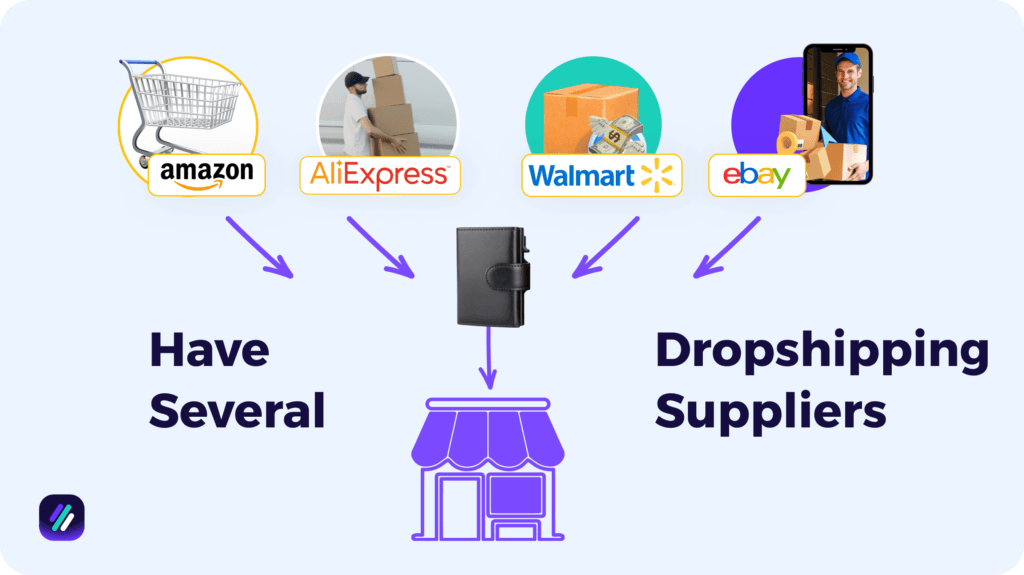
Most importantly, not being dependent on one supplier safeguards your business from sudden disruptions, such as overnight price increases. You know that if your main supplier changes their terms, you have other alternatives to fall back on.
6. Research Competitors’ Best Selling Products
Your competitors’ best sellers can give you more ideas for the type of products you should consider selling.
With ZIK Analytics’ Shopify Sales Tracker, you can uncover the bestselling items and the exact revenue they generate for competing Shopify stores in seconds.
Create a ZIK account or log into your existing one and choose Shopify Sales Tracker from the menu on the left. Then enter the URL of the competitor whose best sellers make you curious

Now click the Search button, and ZIK will redirect you to the tool’s dashboard. Inside this dashboard, you’ll see metrics like estimated revenue, total products, and ad channels used by the store.
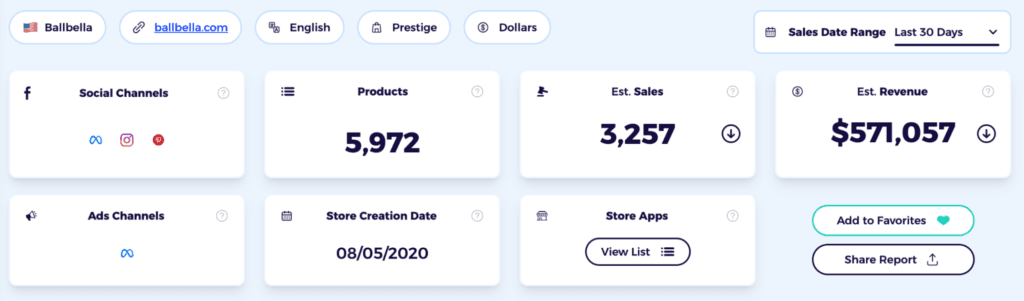
Scroll a bit to arrive at the product view, which shows the items the store recently added to its inventory, the ones it recently sold, and best sellers.

You can browse the best sellers list to see if any item can be easily sourced and sold at a higher margin.
7. Consistently Spy on Your Competitors
You can also spy on competitors’ Facebook and Instagram ads to see which creatives and hooks are getting the most engagement.
This can give you ideas for how to structure your next campaign and inspire its assets.
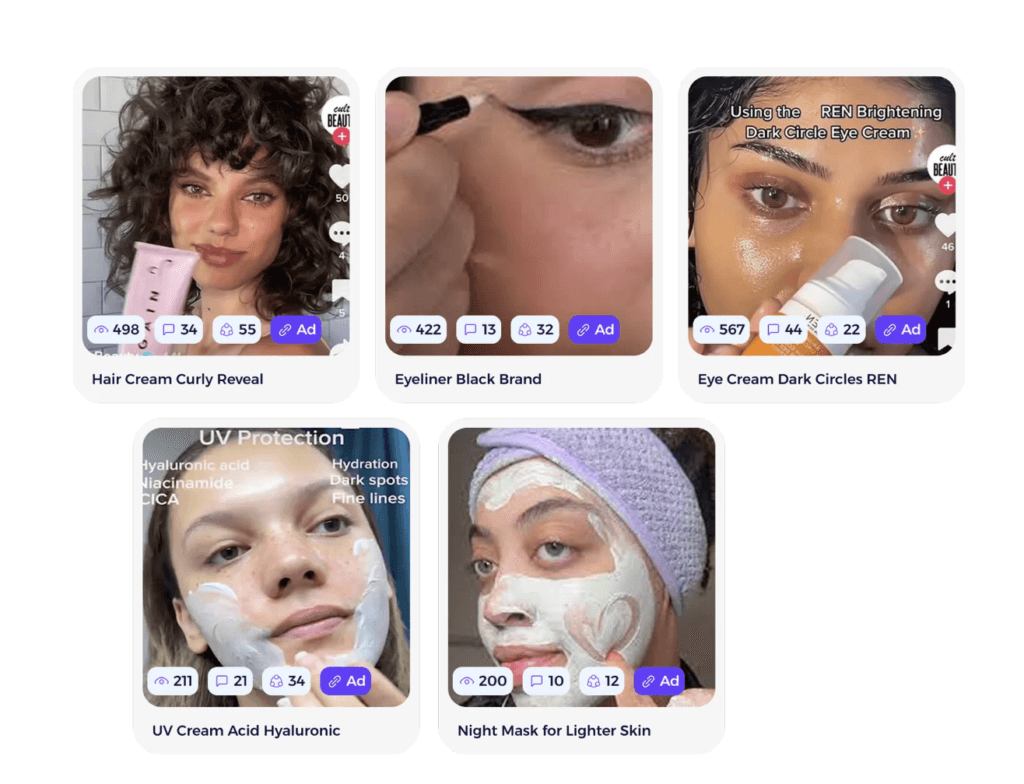
ZIK analytics offers a dropshipping spy tool that scans live competitor Instagram and Facebook ads for dropshipping. You can filter these by age, country, ad duration, ecommerce type, and more to get results tailored to your target customer.
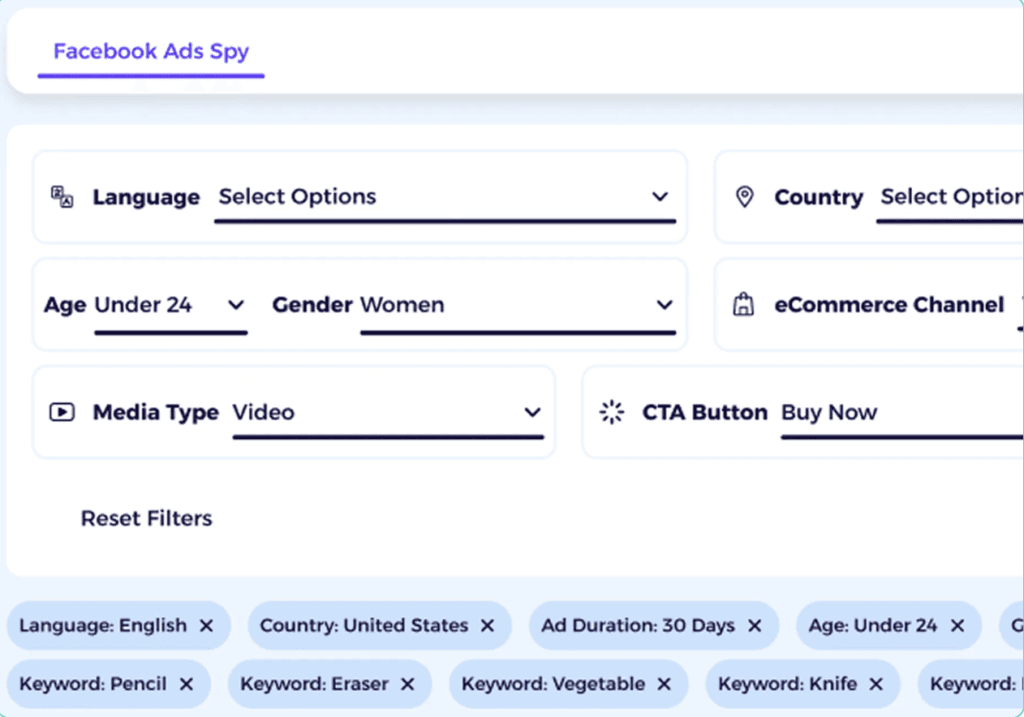
The tool also lets you see the active ads of other Shopify dropshipping stores. Just enter the Shopify store URL in the tool to instantly reveal their ad funnels and creatives.
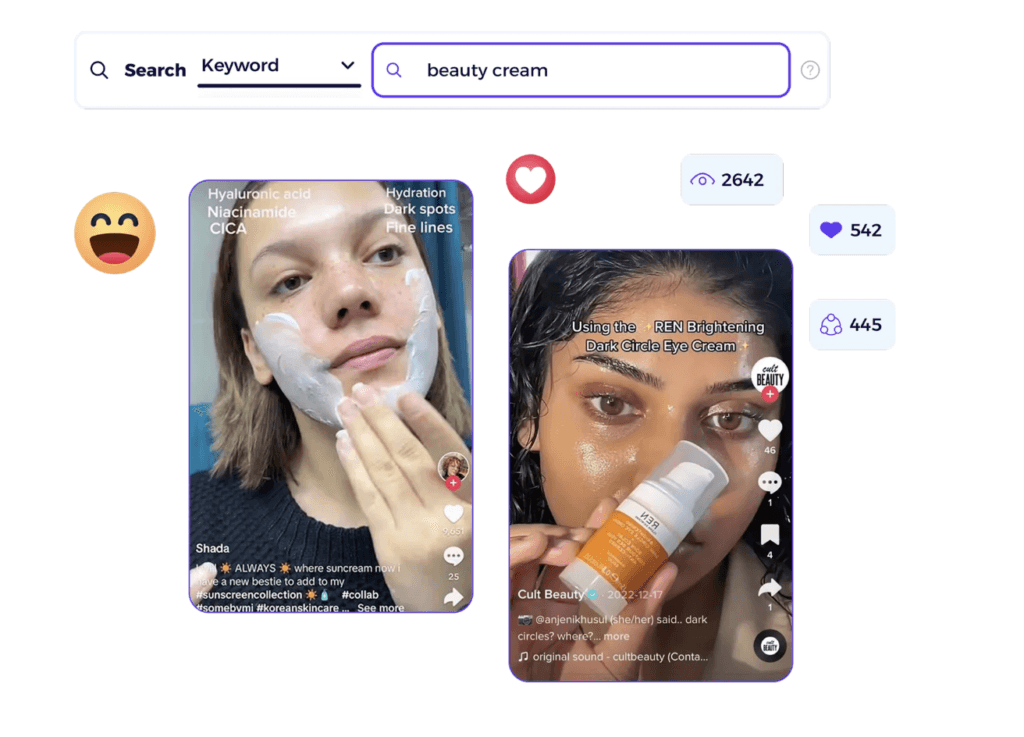
Plus, you can search ads tied to different niches and keywords by performing a direct search. Just type in a phrase and get real, currently running ads for that term.
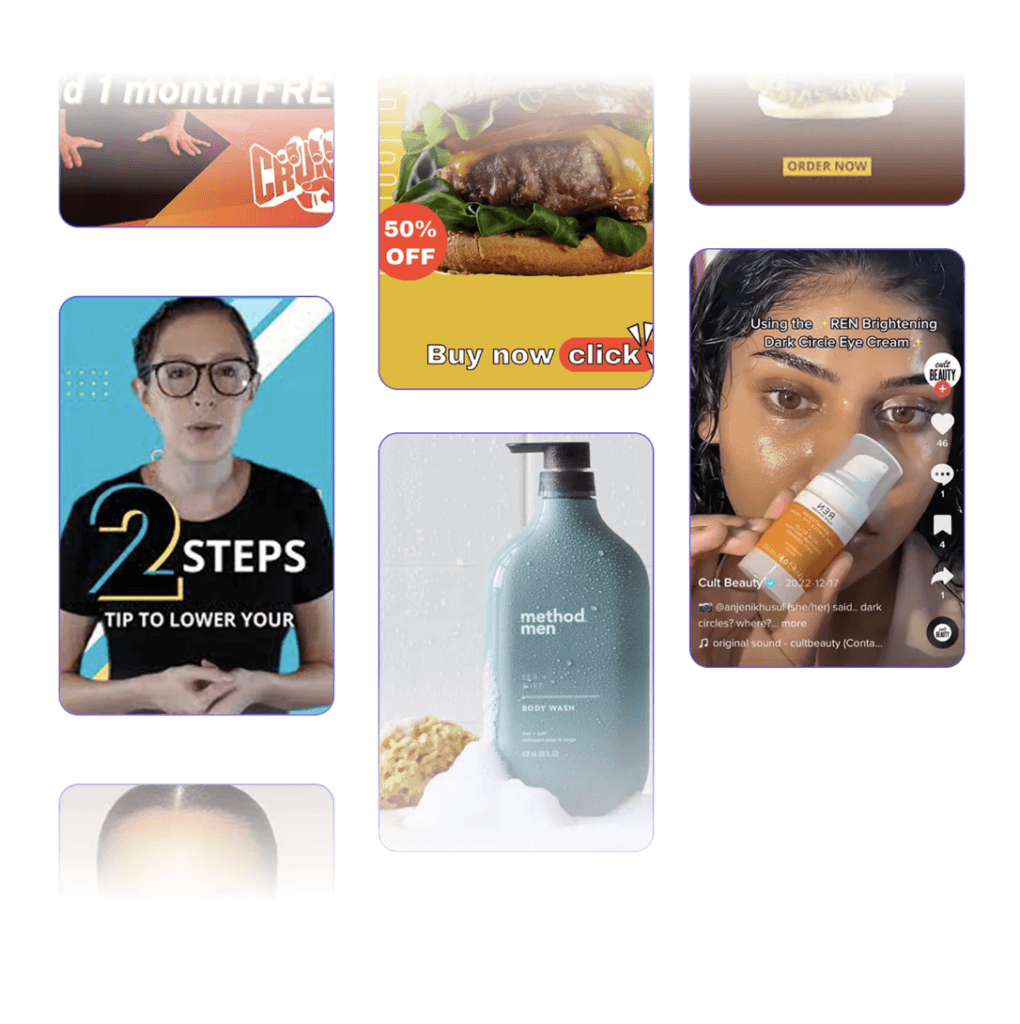
Moreover, ZIK’s dropshipping spy tool lets you preview hundreds of live ads inside a scrollable gallery. This makes it easy to spot what formats, hooks, and creatives are winning, and get inspired to make your own.
8. Properly Vet Suppliers
Suppliers play a crucial role in the dropshipping business model by actively managing stock and sending products to customers.
Due to the nature of their responsibilities, it’s important to vet supplies to ensure you’re dealing with a legitimate business.
Initial vetting can be done by calling the supplier to confirm that you’re dealing with an active and verified company. Evaluate how quickly the supplier responds to your initial messages and whether they are clear in their communication.
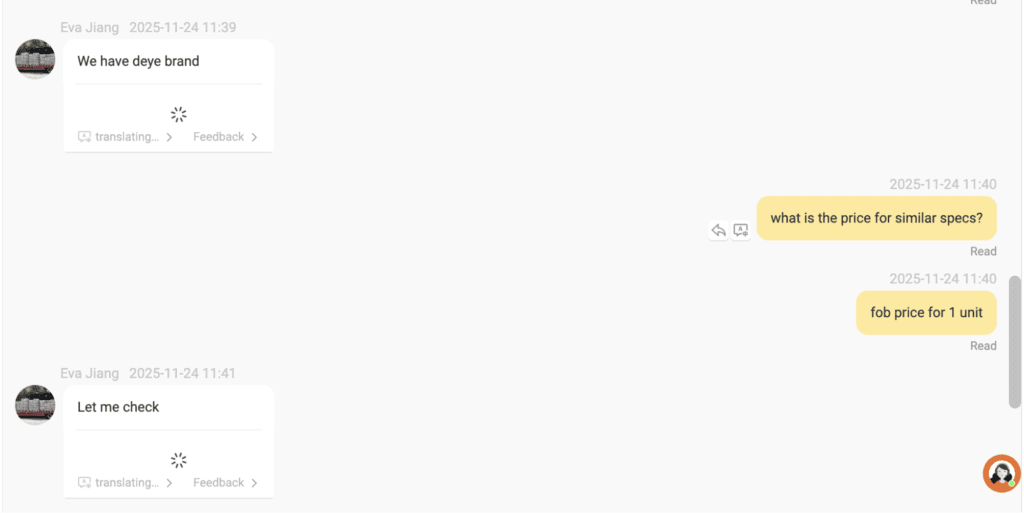
For further vetting, you can order samples of the items you intend to sell to personally check their quality and appearance. You can also use this opportunity to test the supplier’s reliability and efficiency in fulfilling orders.
Periodically review your supplier’s performance and resolve any issues immediately to maintain a high standard.
9. Find Unique Spin of Competitor Products
Discovering the unique angle of competitor products requires digging deep into product details and marketing messaging.
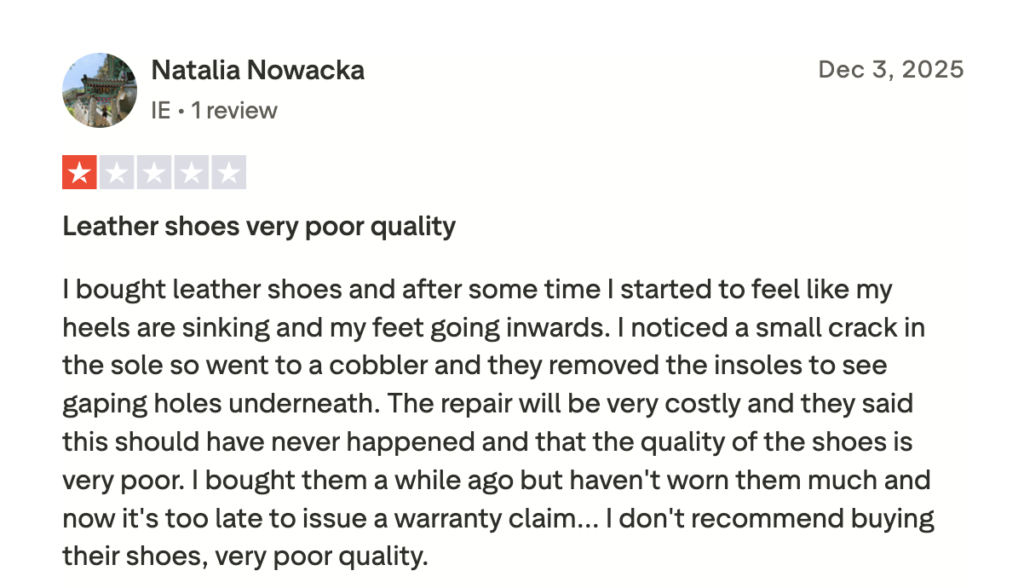
You can start by checking negative reviews on sites like Trustpilot to find missing features or consistent pain points. A competitor’s unique spin might lie in addressing the issue that other items struggle to resolve.
Another method is to put yourself in the customer’s shoes and observe the actual user experience. Note that if the competitor’s checkout flow is actually smooth and whether they have a unique, compelling voice or aesthetic.
You can also review their FAQs and product data sheets if available. These often include detailed explanations of unique features that may not be obvious to consumers.
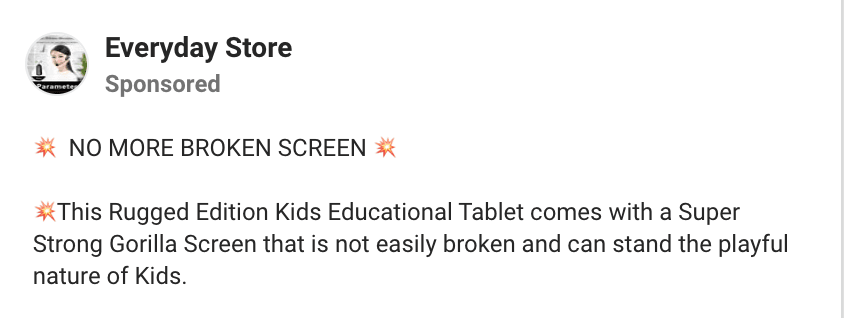
Plus, observe which benefits or features competitors emphasize in their social media ads and newsletters. This gives an insight into what they see as their value proposition.
10. Negotiate Better Pricing
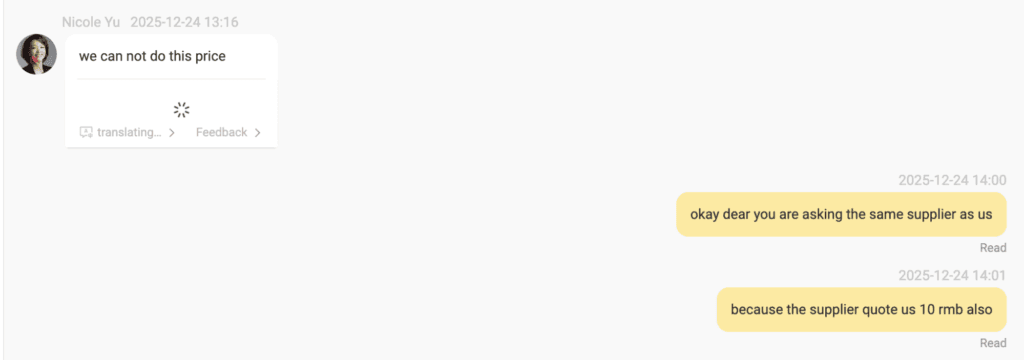
Although many dropshipping suppliers have standard pricing, a major portion of them are willing to negotiate with merchants, especially those who buy a large volume.
Understanding the ongoing market price and the typical terms offered by other suppliers is crucial for having leverage in negotiations. When the pricing is discussed, you can use competing offers to negotiate better rates or shipping times with your supplier.
Having a strong relationship also improves your chances of negotiating better pricing. Suppliers are more likely to offer favorable terms to businesses with which they have a good rapport. Regular, transparent communication and timely payments can serve as the foundation of a healthy relationship between you and your supply partners.
Focusing on the mutual benefit can work in your favor. You can frame your requests in a way that highlights the win-win scenario for both parties. For instance, explain how better pricing will allow you to increase your ad spending and generate more sales of their items, resulting in more business down the road.
11. Automate Your Dropshipping
You don’t need to handle every part of dropshipping yourself. Dropshipping automation tools can now do the heavy lifting for you, including building a store with minimal input.
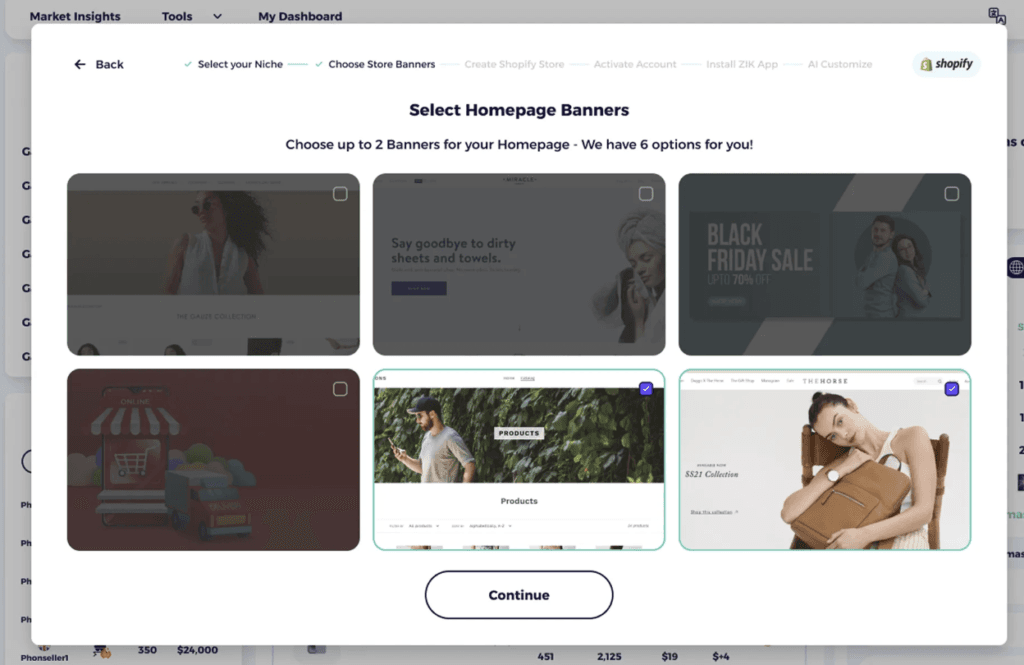
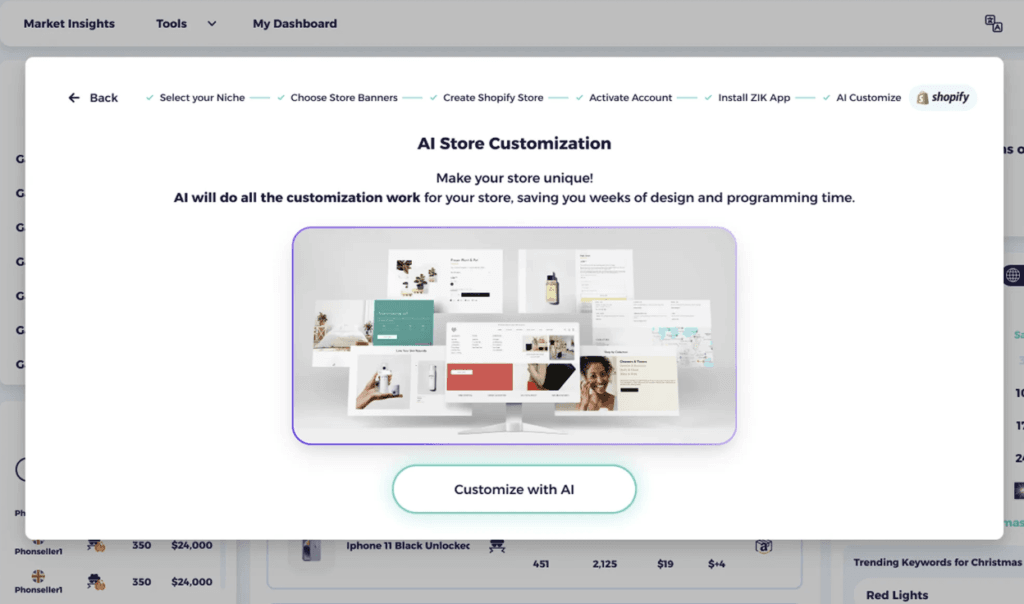
For example, ZIK Analytics offers a Shopify AI store builder that can design your store and pages. You just have to pick a niche from its curated list or ask the AI to choose based on data and trends.
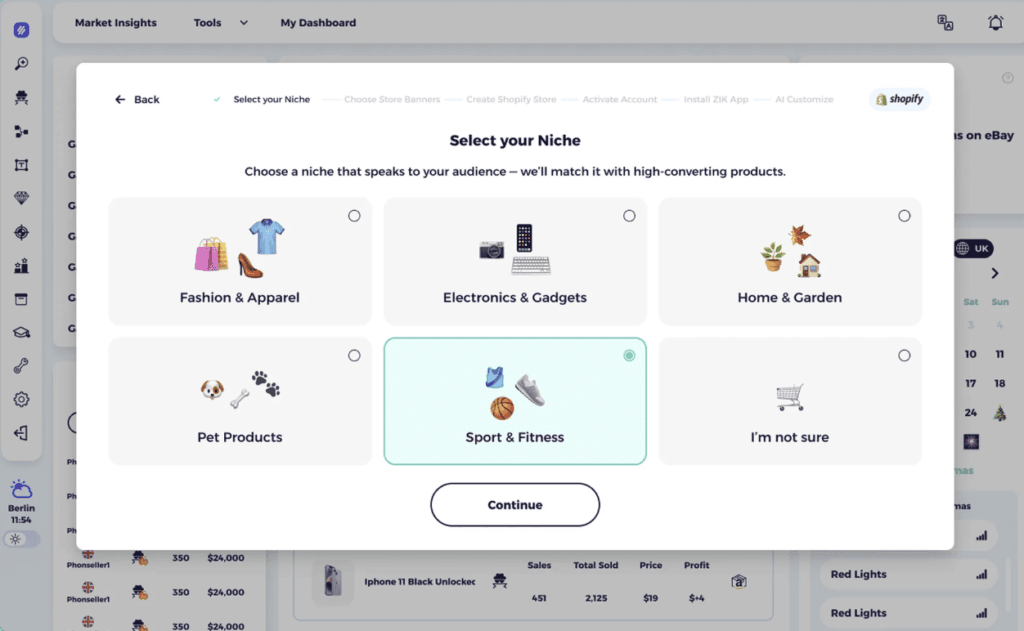
Then you select the visuals you want on your homepage. From there, the tool automatically creates your design, branding, and layout based on the niche.
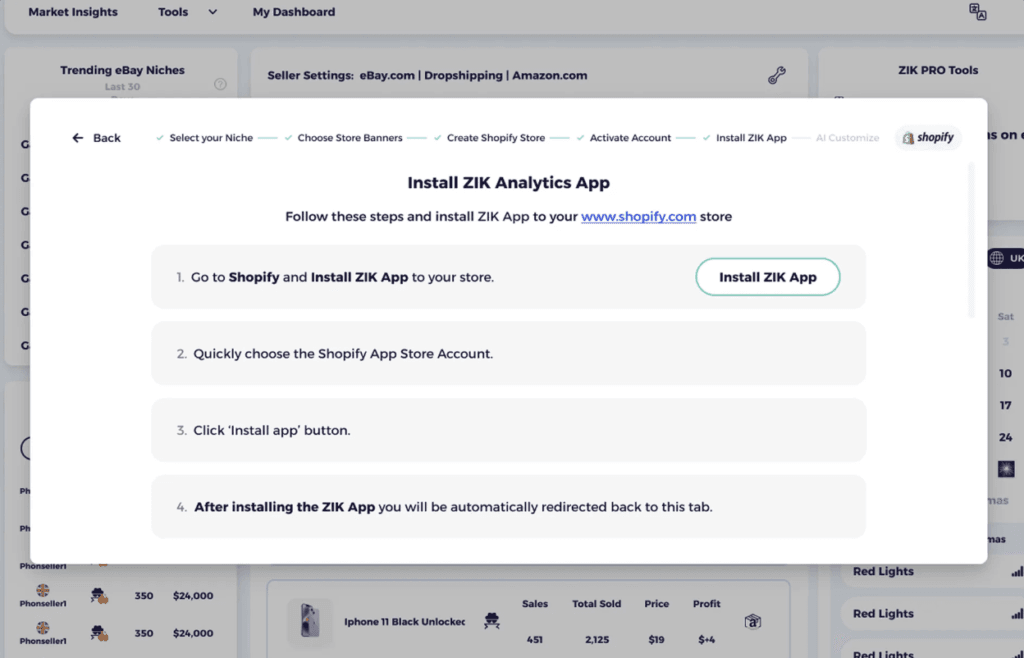
The app also gives the option to connect to ZIK to carry out product research or analyze competitors if you haven’t done so already.
Lastly, you’re prompted to publish your store. Once done, you can begin adding winning dropshipping products based on what’s working well for other Shopify storefronts.
12. Provide Exceptional Customer Service
Exceptional customer service is a key factor that can differentiate your store from competitors and attract new customers.
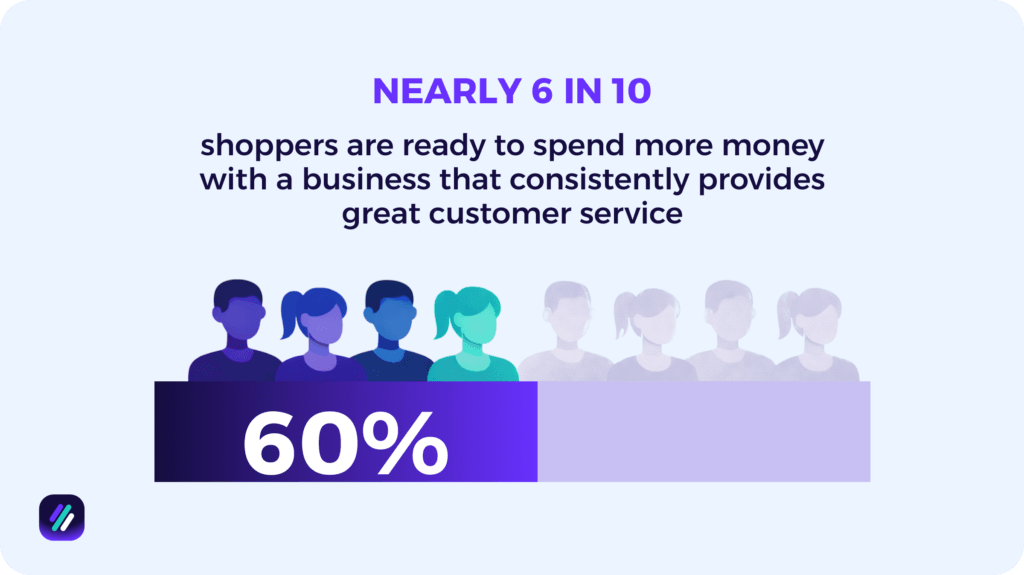
A survey found that nearly 6 in 10 shoppers are ready to spend more money with a business that consistently provides great customer service.
You can take your first step by quickly responding to complaints and queries. Aim for reply times that exceed industry standards, such as responding to a live chat message within two minutes.
Personalizing interactions can also leave a lasting impression on customers. This can be done by referencing previous interactions or past purchases to show continuity. Creative packaging inserts, like a small, unexpected gift or a discount code for their next purchase, can also make customers take notice of your business.
Pro tip: See where you can go the extra mile with customer service. For example, a shipment delay can be your opportunity to show customers you care. Send them an alert about the delay before they complain and offer a small credit as compensation for the long wait.
13. Have Enough Profit Margins for Marketing Your Products
There’s little benefit in sourcing a product that won’t leave you with enough funds to spend on its promotion.
So when picking items for your dropshipping store, make sure they have enough margins for TikTok and other forms of marketing.
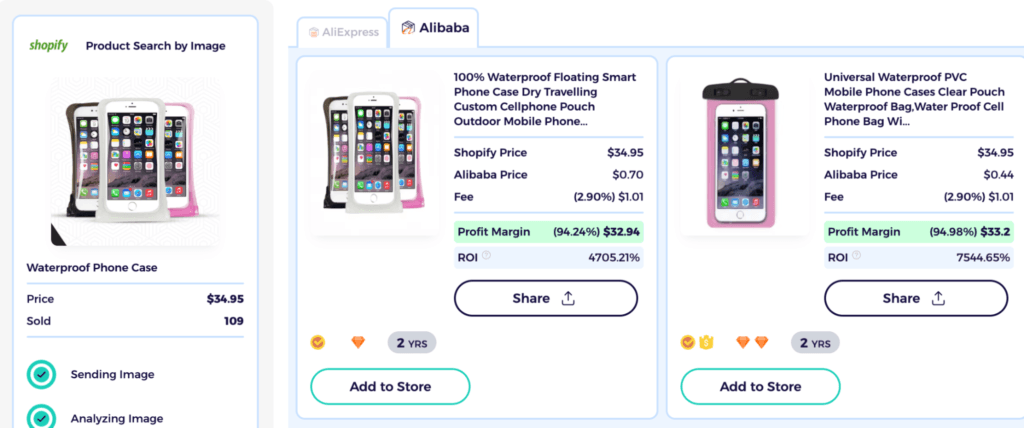
ZIK Analytics offers a Shopify product matching tool that makes it easy to know the profit margin. After you search for an item via our Shopify Product Finder or Shopify Sales Tracker tool, just click on the AliExpress icon present in the box in the last column.
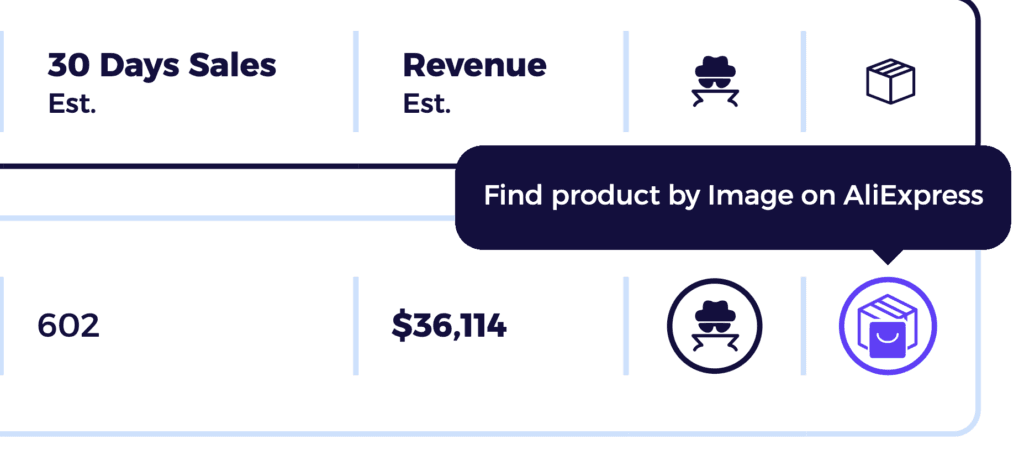
You’ll then see a list of matching AliExpress and Alibaba suppliers for your product. And for each listing, you’ll see the approximate margin and ROI you can gain by selling that item through your store.
14. Be Patient, It Takes Time
Dropshipping is a viable business model, but it requires a long-term mindset and realistic expectations for success.
If you treat it as a get-rich-quick scheme, you won’t go far and are likely to lose motivation.

Most dropshippers begin to see notable results only after 3-4 months of consistent effort. Giving up after a few weeks due to a lack of instant sales is a common mistake for beginners.
Building a presence takes time, quality service, and transparent communication. Finding winning products takes hours of testing and data analysis. Plus, issues like long shipping times and supplier errors are time suckers in their own right.
Patience is what you need to get through these problems. With consistent work on product testing, customer service, and marketing, you can build a business that generates steady income over time.
15. Manage Dropshipping Returns Fast
Managing dropshipping returns quickly is crucial for maintaining a positive reputation and driving repeat business.
A Narvar Consumer Report shows that 70 percent of first-time customers decide whether they’ll shop again based on the return experience.
To streamline your returns, respond to customers with empathy and provide clear, step-by-step instructions. Specify packaging requirements and whether they need to use the provided label or arrange shipping.
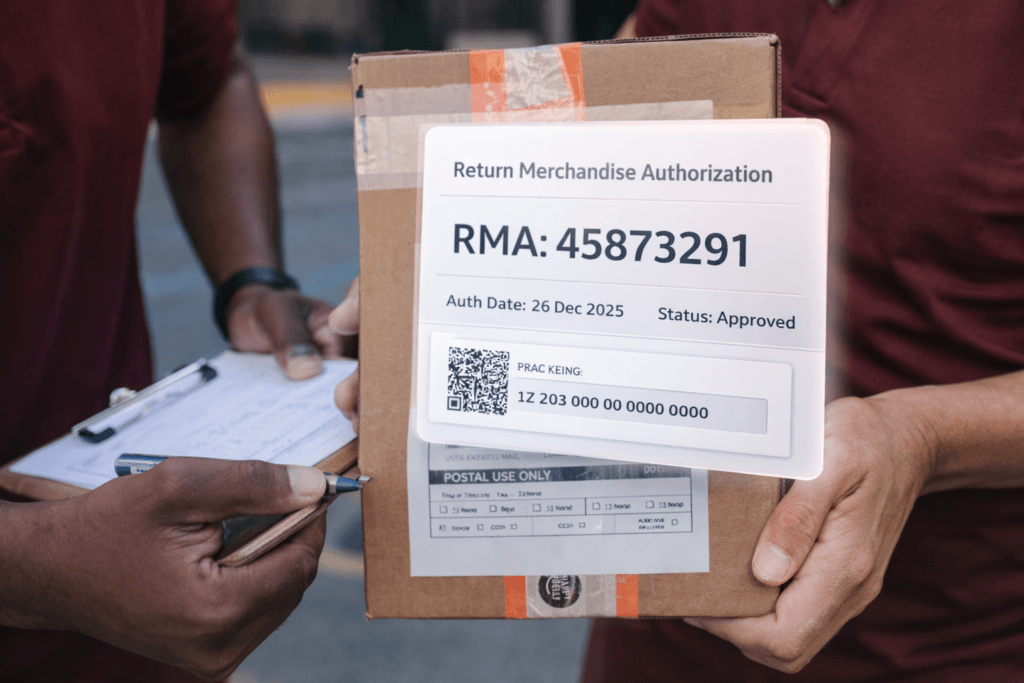
You must also provide the customer with a Return Merchandise Authorization (RMA) number (if your supplier gives you one) and the correct return address for shipping.
16. Implement Marketing Strategies
To successfully market a dropshipping business, you’ll need to cater to buyers across different touchpoints.
Start with the core, i.e., your website. Make sure your online store is mobile responsive and has a simple checkout process. Get the SEO right by using relevant, high-intent keywords in your product titles and descriptions.
Next, create valuable content that addresses customer pain points and naturally integrates your products. You can publish step-by-step guides, make unboxing videos, and record tutorials that show the product in action.
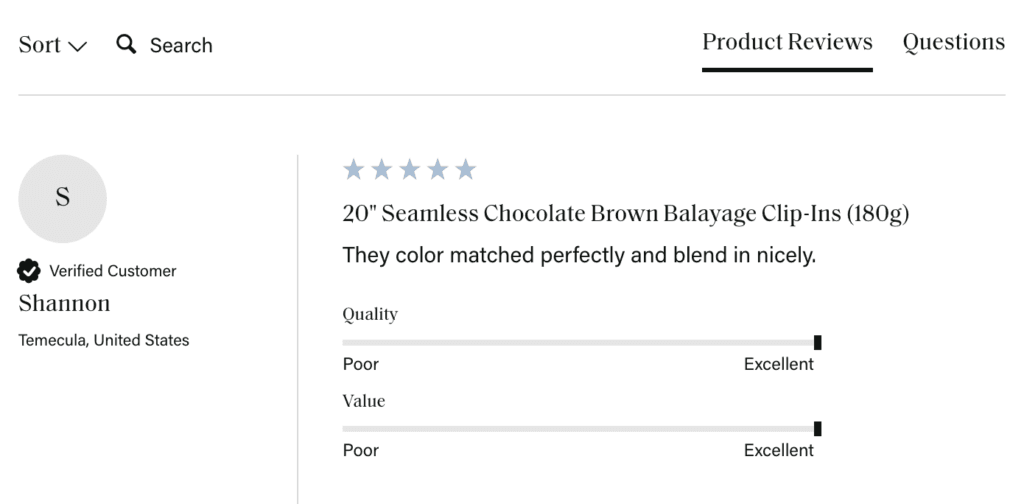
It’s also a good idea to start collecting customer reviews to build social proof. You can encourage customers to leave a review by offering discounts or non-monetary incentives in exchange. Prominently displaying reviews and ratings on your product pages can do wonders for your conversion rate.
17. Implement Hybrid Selling Model
The standard dropshipping model works well during the initial stage. But when you’ve validated the items and made some sales, transitioning to a more profitable business model is a no-brainer.
The simplest is the hybrid selling model, where you buy products from a manufacturer and sell them under your own brand. This can be done via:
- White labeling: This involves buying generic items that have already been produced and designed by a manufacturer and then adding your own branding.
- Private labeling: This comes with the option to provide more input on the product’s features and design. It offers more uniqueness and brand control than the other model.
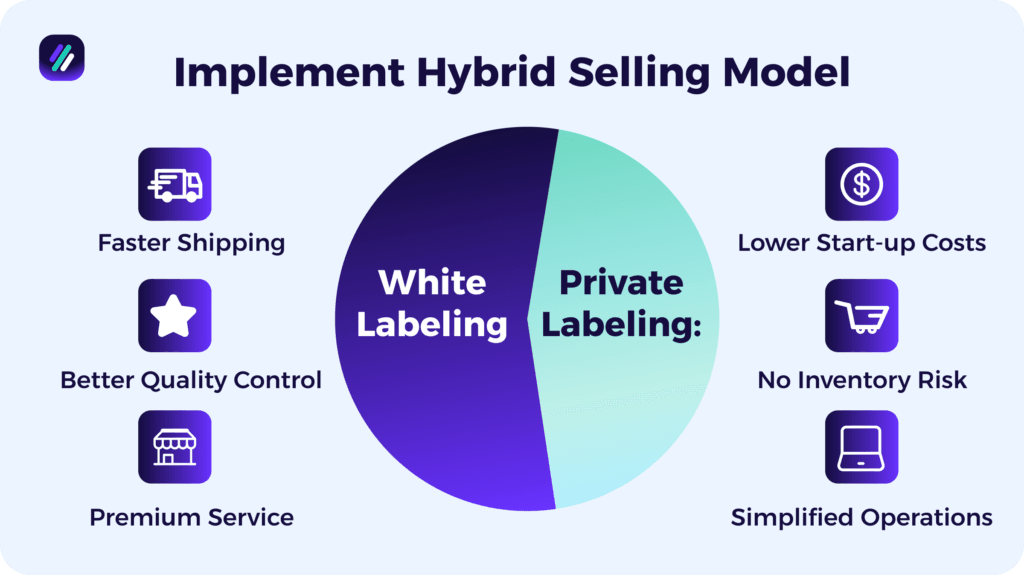
Another option is to create your own product for maximum brand control and uniqueness. However, this requires you to make a significant investment in R&D and manufacturing. As a solo dropshipper, you’ll likely be better off choosing the private label route for your store.
18. Treat It As a Real Business
Many people see dropshipping as just a side hustle rather than a real business model. But this couldn’t be further from the truth. According to industry statistics, more than 27 percent of e-commerce businesses rely on dropshipping to fulfill the orders they get on their store.
Major companies like Amazon and Wayfair also relied on the dropshipping business model in their early stages. Dropshipping allowed them to offer a wide product selection without tying up all their capital in physical inventory.
Not to mention, success in dropshipping requires a good chunk of time and dedication for marketing and customer service. It’s not a passive income or get-rich-quick scheme, but a legitimate business model that pays dividends with consistent effort.
For many entrepreneurs, the goal is not to eliminate work but to create dropshipping passive income through scalable processes that allow the business to generate revenue with less active management.
Find Your Next Winning Product with ZIK Analytics
ZIK Analytics has a suite of tools to help new dropshippers find winning products and validate demand before investing in inventory or ads.
However, I want to specifically highlight three tools that make dropshipping product research faster and more data-driven:
- Shopify Product Finder shows you which products are selling across Shopify stores with real sales data. Filter by category and sales to identify winning products quickly.
- AliExpress Product Research helps you find high-performing products on AliExpress with real marketplace data. Filter by sales, reviews, and ratings to validate demand before sourcing.
- AdSpy Tool shows you which ads competitors are running on Facebook and Instagram. See engagement metrics and save winning ads to reference when building your own campaigns.
You can also use our Shopify Store Finder to discover top dropshipping stores by revenue, marketing channels, and product categories, then analyze them in the Sales Tracker.
Plus, we offer a dropshipping checklist you can use to stay on track with your store’s launch and make business decisions faster.
You don’t have to go it alone when researching the best dropshipping products. Get your ZIK Analytics trial and start finding winning products backed by real marketplace data.
Frequently Asked Questions about Dropshipping Tips
In this section, I’m going to answer the frequently asked questions about dropshipping and share a few extra tips.
What is the best strategy for dropshipping?
The best dropshipping strategy is to focus on a specific market rather than trying to sell everything to everyone. It focuses on solving people’s pain points with genuinely useful products, using organic marketing to get the word out, and building a trustworthy brand with clear policies and excellent customer service.
Is $500 enough for dropshipping?
$500 is more than enough to launch a dropshipping store, get a few apps, and run ads for several weeks. However, it may not be sufficient for certain business types, such as private label dropshipping or selling high-ticket items to your customers. As long as you stick with regular dropshipping, $500 should easily cover the basics and a fair amount of extras for you.
Where do most dropshippers fail?
Most dropshippers fail in the strategic and operational areas of their business. These include activities such as marketing, product research, supplier selection, and customer service. The mindset that dropshipping is just another form of arbitrage is also a big contributor, with many dropshippers focused on getting more sales instead of providing customer value.
How can a beginner dropship?
To start dropshipping as a beginner:
- Identify a profitable niche
- Find winning products and validate their demand
- Contact reliable suppliers
- Build your online store
- Create compelling listings
- Invest in ads and organic marketing
- Watch the sales come in