
Amazon…just the name is enough to get sellers excited. And the idea of using it as your dropshipping supplier? Well, let’s just say things can’t sound any better for someone taking their first steps into e-commerce.
But when it comes to eBay, things become a little complicated. You can’t buy a product from Amazon and resell it on eBay’s marketplace. There are legal agreements for eBay dropshipping, and they don’t make it simple to dropship from Amazon to eBay.
In this guide, we break down everything you need to know about Amazon to eBay dropshipping, including what’s permitted and how you can do it safely without getting yourself banned.
Key Takeaways: Amazon to eBay Dropshipping in 2026
- eBay allows dropshipping on the condition that you source products from legitimate wholesalers and manufacturers.
- Using services like Amazon FBA and Walmart+ isn’t effective for staying compliant with eBay’s policies.
- Tools like ZIK Analytics can help you find winning products to dropship on eBay
- You must be transparent about shipping times and offer competitive prices to succeed
What is Amazon to eBay Dropshipping?
Amazon to eBay dropshipping is a business model where you list an item on eBay at a higher price and buy it from Amazon once it sells.
It’s different from traditional marketplace dropshipping, as you’re sourcing from a platform that’s known to be another retailer. Success in this business comes from syncing inventory between the two platforms and following the rules set by each company by using the appropriate Amazon to eBay dropshipping software.
Is Amazon to eBay Dropshipping Legal in 2026?
Dropshipping from Amazon to eBay isn’t legal in a general capacity, but becomes permissible when you use your own inventory or have a direct wholesale agreement with your supplier. Meeting these requirements helps you become the true source and seller of your product.
Benefits of Amazon to eBay Dropshipping
Amazon to eBay dropshipping offers several advantages to those who comply with the platform rules. Mainly, this business model offers:
- Low startup cost: The main advantage is the low upfront investment required to start the business. You don’t need to rent a warehouse or purchase stock in advance, as you source the item only after it has been sold on eBay.
- High exposure: Selling on eBay exposes your inventory to a large, high-intent audience actively looking for products. You don’t need to rely on budget-draining options like Google Ads to drive interest and traffic.
- Logistics option: You can take advantage of Amazon’s reliable shipping that covers over 100 countries worldwide. That is much better for your customer experience than having an overseas supplier handle the deliveries.
- Flexible business: There are no restrictions that you can’t unlist or discontinue the products that don’t perform. You can quickly test a number of items and only keep the ones that generate more sales.
How Amazon to eBay Dropshipping Works
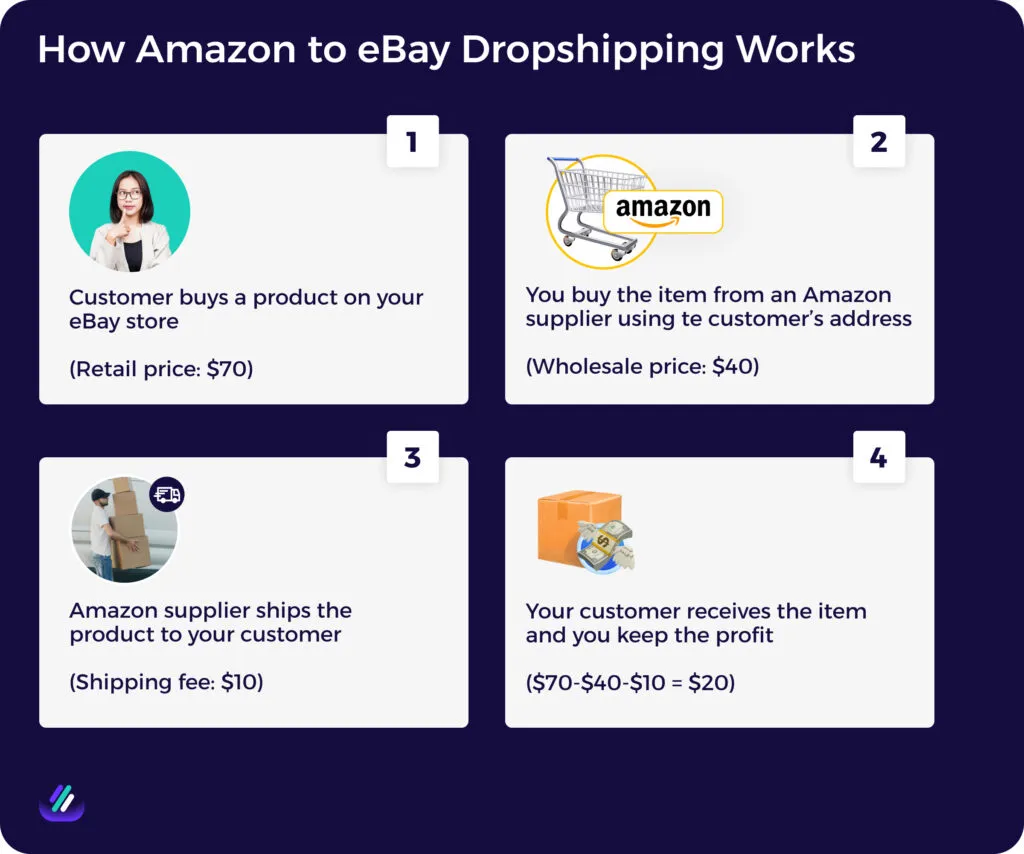
Amazon to eBay dropshipping works by you sourcing products from Amazon and listing them on eBay at a higher price. When an eBay customer buys that item, you route their email and shipping address to your Amazon supplier. The supplier then ships the product directly to your customer.
Here’s a graphic explaining how it works:
How to Start Amazon to eBay Dropshipping: 5 Essential Steps
Here are the steps you need to take to start dropshipping from Amazon to eBay:
Step 1: Setting Up Your eBay Seller Account
A seller account is required to list the products that you intend to dropship on eBay.
Go to the seller registration page and provide basic information about your business. Then, choose between a personal and an eBay business account depending on your requirements. You’ll also need to complete phone and identity verification and link your checking account to receive payments from eBay.
Step 2: Creating Shipping and Return Policies
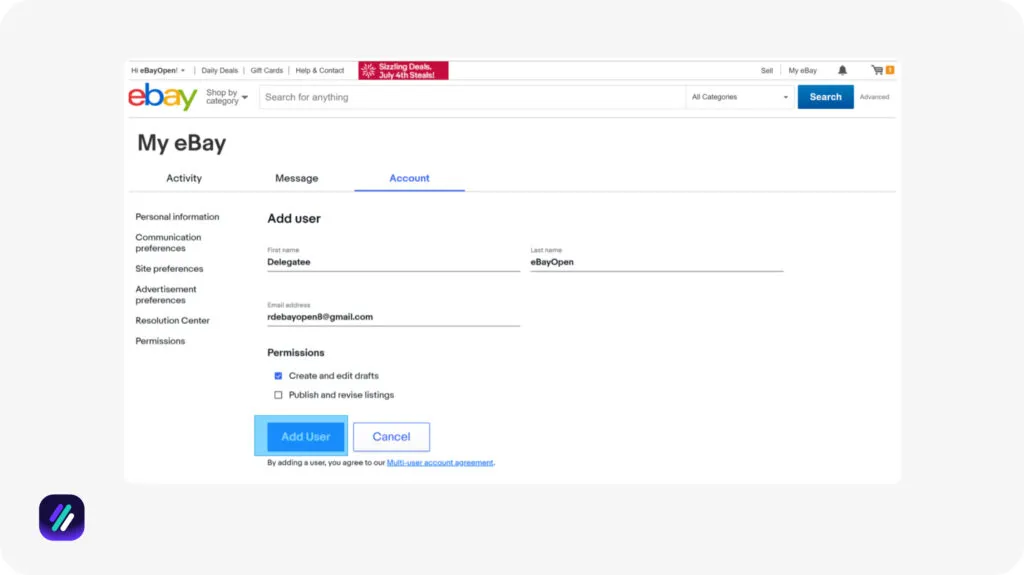
As I mentioned earlier, eBay allows you to use its eBay Business Policies feature to set up relevant policies for your store.
To do this, go to the Seller Hub and click Listings > Settings > Business Policies. Next, select Create Policy and choose Shipping, Return, or Payment. Now fill out the details that you want to convey to your customers.
For example, state your handling time (aka. How long does it take for your supplier to ship the product). 1-3 business days is the standard. Additionally, specify available shipping services (FedEx, USPS, etc) and mention the estimated delivery time for each (e.g., Standard: 7-14 days; Express: 3-5 days).
If you’re offering free shipping, be sure to clarify any conditions, like the need to have a certain average order value in the policy.
For international shipping, mention the countries you cover and add a disclaimer that the buyer is responsible for any customs duties and additional eBay shipping fees. Don’t forget to mention the locations that you don’t over, such as specific regions or P.O. boxes.
For returns, you’ll want to mention a clear timeframe like 30 days or 60 days, depending on what you want to offer. State that customers should return the item in its original state and with all the tags and packaging intact.
Once you’ve outlined your policies, save and apply them to your listings.
Step 3: Product Research and Selection
Product research used to take ages when we didn’t have tools to help us evaluate trending items and sales performance.
Now, there are a bunch of solutions (both inside eBay and available as third-party tools) to help you find profitable items quickly.
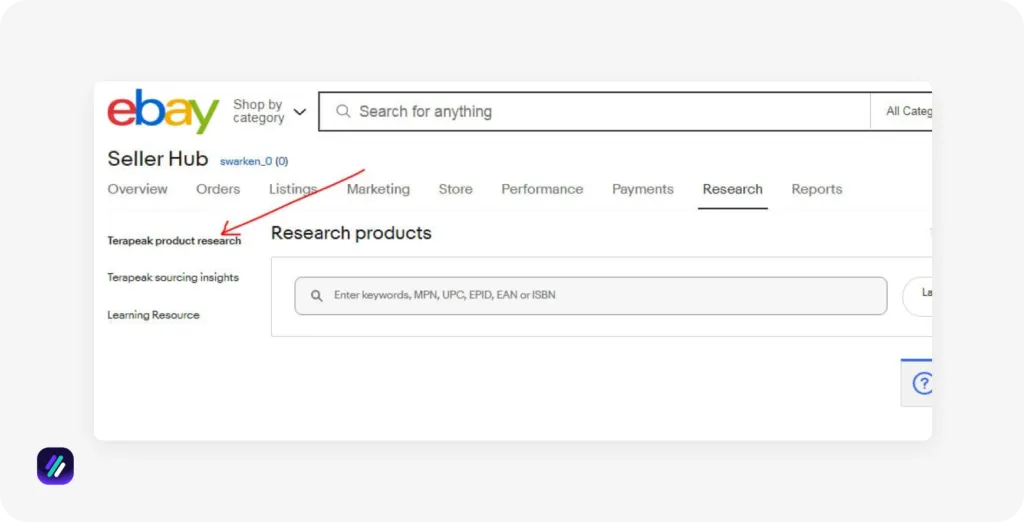
For example, eBay offers its own eBay research tool that you can use to understand what people are buying. You can access these from the Seller Hub and conduct research without leaving the platform.
Terapeak is the most handy among them. This tool lets you see which listings perform better than others so you can take inspiration from their titles, images, and other specifics.
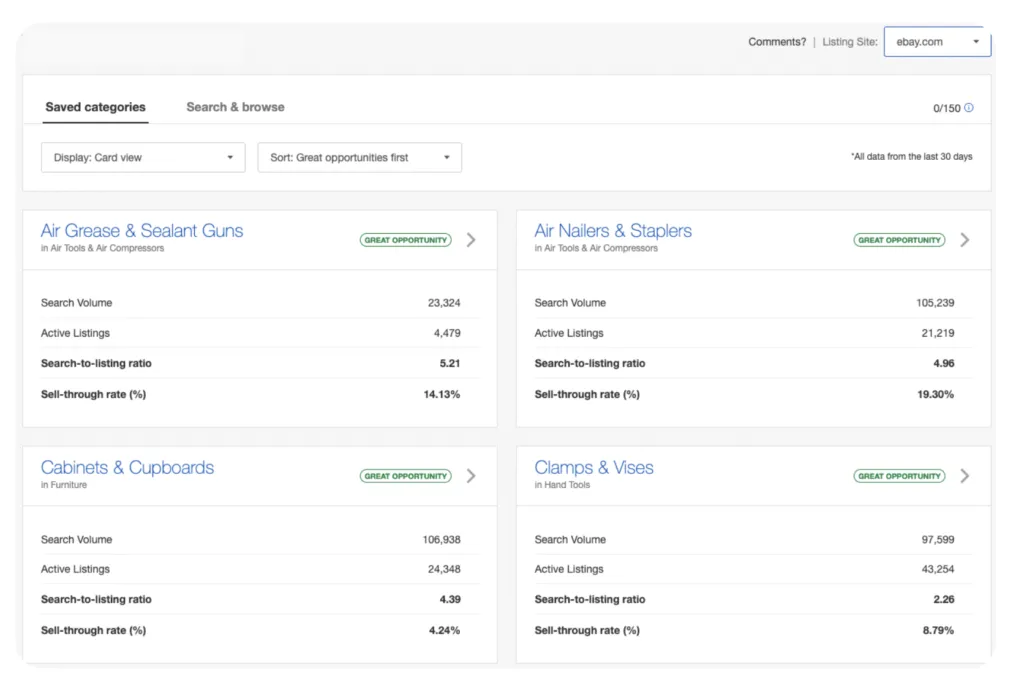
There’s also eBay Sourcing Insights, which reveals the categories with more demand and less supply. Look into categories under “Great Opportunity” as those are the niches attracting the most buyers. You can use these insights to decide which sub-niches to target with your store.
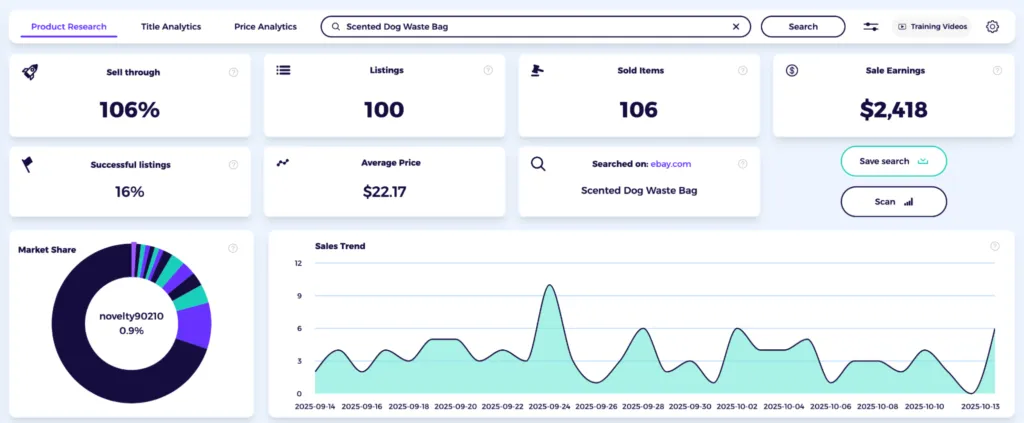
ZIK Analytics takes this further with robust, data-driven tools. Our eBay product research software lets you analyze competition, sales volume, and other key metrics. You get live sales data that helps you spot market trends before they become saturated.
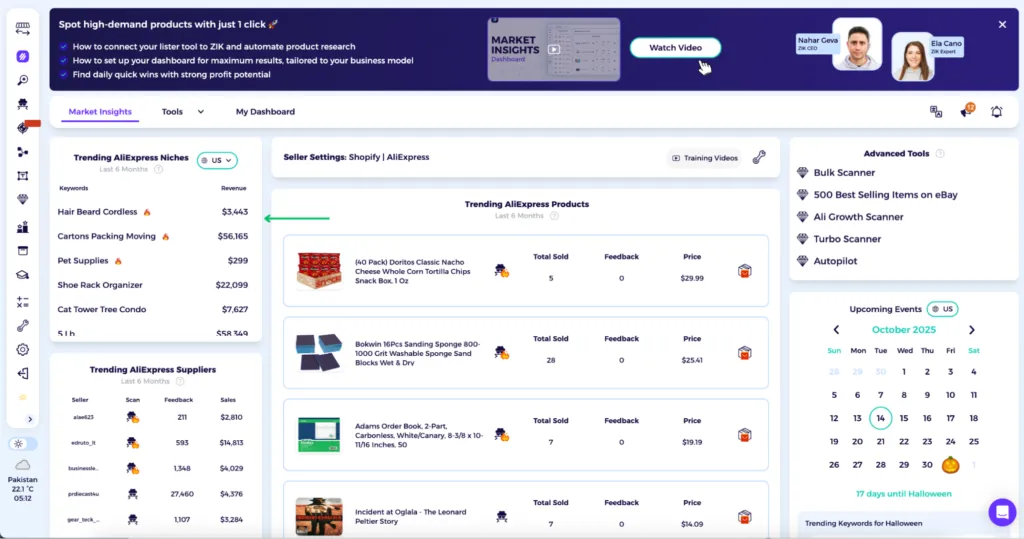
ZIK also curates trending products based on what consumers are buying at the moment. You can find these items in the Trending Niches section in the eBay Market Insights dashboard inside ZIK.
You can also use our eBay competitor research tool to spy on your competitors’ catalogs. Our tool can identify best-sellers and measure the performance of any eBay store. Plus, you get the option to filter by timeline, such as see their active listings, revenue, and sell-through rate over the past 30 days.
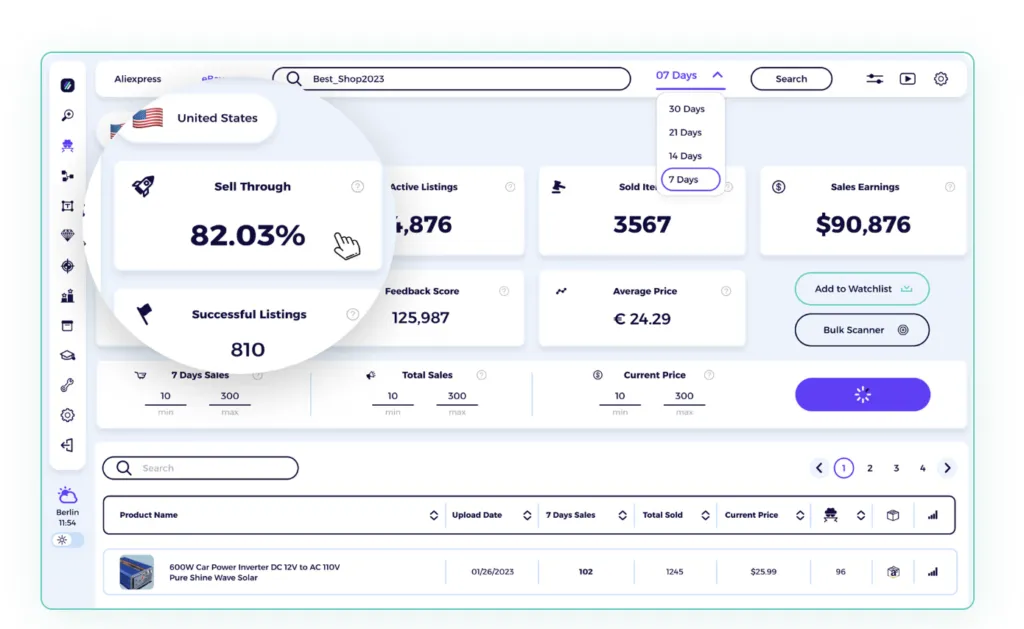
Want to speed up your competitor research? ZIK lets you scan a seller’s entire eBay store and get instant information about all their best sellers.
Autopilot is another feature that searches eBay automatically based on specific filters. You can apply filters such as category, supplier, and minimum sales to find products that fit your criteria. In short, finding the best selling items on eBay becomes easier with ZIK.
Step 4: eBay Listing Optimization
eBay Cassini search engine prefers complete and optimized listings. Sellers who nail this aspect of eBay dropshipping are rewarded with higher rankings in search results.
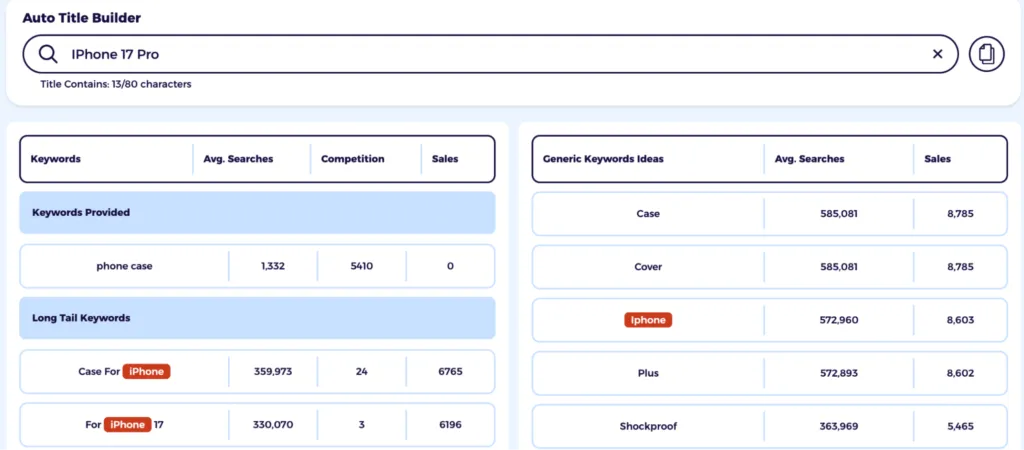
Listing optimization starts with creating a compelling title. Think about the words a customer may type in the search bar. The aim is to match buyer queries while staying relevant and natural-sounding in eBay search.
You can use ZIK’s eBay title builder to optimize using relevant eBay keywords and character length.
Next, fill out all the specifics and categories. These give you visibility when buyers use filters to narrow their search results. Include the product name, color, material, size, and condition. As eBay frequently updates its item specifics, check these regularly to ensure your listings are up to date.
You’ll also want to include product identifiers like brand, Manufacturer Part Number (MPN), UPC/EAN (GTIN), and model/style number. These help buyers find your products in specific categories and autofill listing data.
When it comes to the description, be as detailed and transparent as you possibly can. Mention the item’s condition and any flaws to build trust with buyers. You can use bullets to highlight key information as they help buyers scan descriptions quickly.
You should also provide 5-7 high-quality images of your clothes. Take their photos against a clean, neutral background in a well-lit space.
Make sure the item fills the majority of the frame and capture from all sides, including close-ups of any flaws or details. Based on eBay image requirements, your images must be a minimum of 500 pixels on the longest side and don’t contain any text, watermarks, or overlays.
The pricing and shipping method also impact listing performance. You should price clothes competitively based on market data, which you can see via tools like ZIK.
Also, consider providing affordable (or 100% free) shipping, as buyers tend to click more on such offers. Most importantly, maintain a strong seller reputation by offering quick handling times and responding to customer queries promptly.
Step 5: Order Management and Fulfillment
When you start making sales on eBay, you need a way to manage those incoming orders.
The best option is to use an order management software like Yaballe or AutoDS. These types of software track listings on eBay and automatically place an order with your supplier in case of a sale. The supplier then ships the product directly to the customer and uploads a tracking number in the tool.
The software also syncs your inventory between Amazon and eBay. When something sells, it automatically updates stock levels to ensure accurate product quantities are reflected in your listings. It also tracks Amazon prices and adjusts your eBay listings to keep them competitive.
Keep in mind that eBay banned retail arbitrage in 2024. As we mentioned earlier, you can’t use Amazon or any other retailer as your supplier for eBay dropshipping. Legitimate wholesalers who authorize you resell their items on eBay are your best option for staying compliant with eBay’s rules.
Amazon to eBay Dropshipping Best Practices to Follow
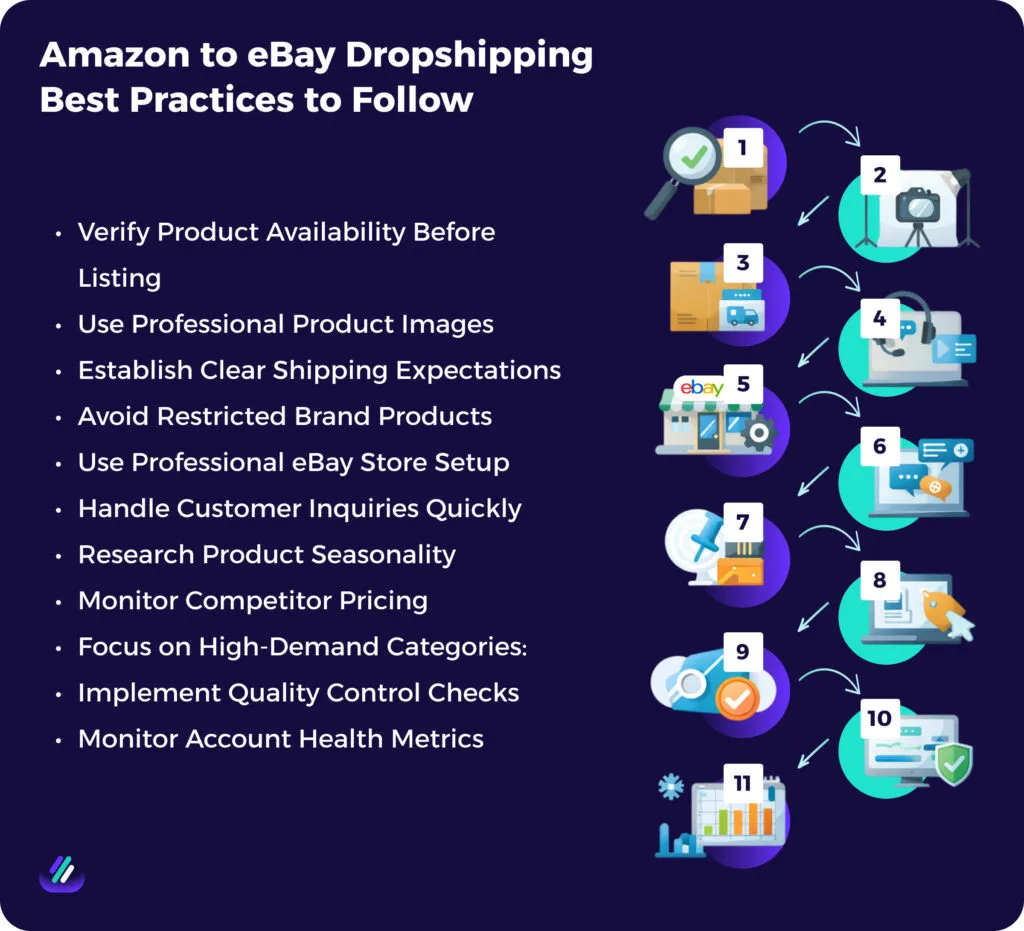
Besides the usual steps involved in Amazon to eBay dropshipping, there are a few best practices you can follow:
- Verify Product Availability Before Listing: Is the product even available with your wholesale supplier? Get in touch with them and verify before you list that item on eBay.
- Use Professional Product Images: Use a good-quality smartphone to take photos of your product. Most iPhones and Android devices have features like dual lenses and superior aperture to help you capture stunning images.
- Establish Clear Shipping Expectations: Don’t promise next-day delivery when your own handling time is 2-3 days. Mention things like “Estimated delivery between [Date 1] and [Date 2]” to set a realistic shipping expectation.
- Avoid Restricted Brand Products: Check eBay VeRO and databases like USPTO (US) for brands that protect their intellectual property. Doing this regularly can help you avoid listing restricted products on your store.
- Use Professional eBay Store Setup: A professional eBay account removes the 10 item selling limit and gives you other features that help with store growth.
- Handle Customer Inquiries Quickly: Don’t make the customer wait longer than a business day for an answer. Ideally, you should respond within 3-4 hours of receiving a query.
- Research Product Seasonality: Not every product sells year-round. Research which products are affected by seasonality so you can list them when buyers are most likely to buy (e.g., listing trench coats in winter or as soon as autumn begins).
- Monitor Competitor Pricing: Most sellers on eBay are competing on price, so there’s always a risk of someone undercutting to generate more sales. Tools like AutoDS help you monitor competitor prices so you always stay relevant in the market.
- Focus on High-Demand Categories: Target sub-niches that attract higher spending. You can use ZIK’s category research tool to analyze niches and find high-demand categories quickly.
Implement Quality Control Checks: Quality control in eBay dropshipping means vetting suppliers and testing products to ensure you’re getting the best. Check supplier ratings and reviews (good suppliers have a rating of 96% or above), and order samples to personally verify the quality and shipping speed. - Monitor Account Health Metrics: Health metrics are the key performance indicators that eBay uses to analyze seller performance. You can find them by going to Seller Hub > Performance > Seller Standards. Monitor metrics like late shipment rate, feedback score & detailed seller rating to see how you are faring as a dropshipper.
Best Amazon to eBay Dropshipping Tools for 2026
Tools can help you research products faster and streamline different processes. Here are the best tools for Amazon to eBay dropshipping:
- ZIK Analytics: ZIK Analytics is the best tool for finding winning products and researching competitors’ best sellers. You can also use it to find relevant Amazon, Alibaba, and AliExpress suppliers through the eBay hot item finder tool.
- AutoDS: AutoDS works well for price monitoring and syncing inventory between Amazon and eBay. It’s the ideal tool for streamlining your orders and fulfilling them efficiently.
- Easync: Easync also offers price monitoring and stock synchronization. Plus, it offers a service that uses its own managed Amazon accounts to place and fulfill orders for your eBay store.
Amazon Dropshipping vs Other eBay Sourcing Methods
If you’re wondering what other sources are available to you, here are your options:
AliExpress to eBay
Dropshipping from AliExpress to eBay is allowed under certain conditions. The main requirement is that you must fulfil orders through a wholesale supplier with which you have a formal agreement. This option requires utmost care since retailers on the platform sometimes pose as wholesalers in order to secure business. Our AliExpress to eBay dropshipping guide has more information.
Alibaba to eBay
One of the best choices for dropshippers for sourcing is dropshipping from Alibaba to eBay. The platform is home to thousands of high-quality wholesalers and manufacturers who are ready to negotiate. The only problem you might face is the large minimum orders required by these wholesalers. Overall, using Alibaba suppliers is the best way to comply with eBay’s updated dropshipping policies.
CJ Dropshipping to eBay
CJ Dropshipping is a supplier that can function as a third-party fulfilment service for your store. You can place orders with CJ on a per-sale basis, where the company packs and ships products directly to your eBay customers. CJ dropshipping to eBay is allowed as long as they do not attempt to source anything restricted or counterfeit.
Walmart to eBay
Walmart also ships products from local warehouses in the US. However, it comes with the same restrictions as Amazon due to being a retail operation. Although Walmart does own a membership-based warehouse in the form of Sam’s Club, the main Walmart brand functions as a retailer across the US. Our Walmart to eBay dropshipping tutorial sheds more light on how this option fares for dropshippers
Grow Your eBay Store with ZIK Analytics
ZIK Analytics is a suite of tools for individuals looking to manage and grow their eBay store.”
However, I’d like to discuss three specific tools that make product and supplier research easier.
- eBay Product Research tells you what’s already selling on eBay before you list anything. Search for a keyword and see which items show up first in eBay’s results, how many units were sold in the last 30 days, and what prices are working. Filter by condition, shipping location, and seller feedback to find products worth sourcing from Amazon.
- Amazon Item Finder matches any eBay listing to products available on Amazon. Enter an eBay product, and the tool pulls up Amazon listings with pricing, Prime eligibility, number of reviews, and seller ratings. It calculates your profit margin and ROI automatically, so you know if the product is worth dropshipping before you list it.
- Autopilot automates the entire product discovery process by scanning Amazon’s catalog based on filters you set. Choose your target profit percentage, minimum sales volume, price range, and Prime-only items, and the tool returns up to 200 winning products.
You can also use ZIK’s eBay Competitor Research tool to see which products are generating revenue for other stores and track their inventory to get new ideas for your catalog.
Get your ZIK Analytics trial and start dropshipping on eBay with data backing every decision.
Frequently Asked Questions about Amazon to eBay Dropshipping
In this section, I’ll answer the frequently asked questions about Amazon to eBay dropshipping.
Can you dropship from Amazon to eBay?
You can dropship from Amazon to eBay in a technical sense. eBay expects you to ship from a wholesale supplier with whom you have an agreement. Amazon expects you to be the seller of record with no Amazon branding in the box. If you want to stay compliant, use wholesale suppliers or dropshipping platforms that ship in neutral packaging.
Can you dropship from eBay to Amazon?
Yes, you can dropship from eBay to Amazon as long as you are the seller of record and handle packaging and invoices yourself. Success depends on complying with rules consistently and managing customer service and returns yourself. Learn more in our eBay to Amazon dropshipping guide.
Who is the best supplier for eBay dropshipping?
The best supplier for eBay dropshipping is the platform that features legitimate wholesale suppliers. Some examples include Salehoo, CJ dropshipping, and Alibaba. Dropshipping from these sites helps you stay compliant with eBay’s dropshipping policy while building a diverse catalog for your store.
What is Amazon to eBay arbitrage?
Amazon to eBay arbitrage is when you list an item on eBay at a higher price and order it from Amazon once it sells. In simple terms, you make money from the price difference between the two platforms. However, the arbitrage model only works when the item stays in stock and the delivery time meets what buyers expect.
Which is better for dropshipping, eBay or Shopify?
Shopify is better if you want to build a long-term brand with full control over design, pricing, and customer experience. It does require marketing since there’s no built-in traffic. eBay is better for quick sales because buyers are already there, though competition is high and branding is limited. Many sellers use both to reach more customers.
How do I link Amazon to eBay?
Yes, you can link Amazon to eBay by using a tool like AutoDS. You connect your eBay store through API access, then use the AutoDS Helper Extension to import Amazon products into your eBay drafts. After you optimize the listing, AutoDS publishes it and keeps the stock and price updated for you automatically.
Can I sell on Amazon and eBay at the same time?
Yes, you can sell on Amazon and eBay at the same time. To do so, you’ll need separate seller accounts and a system that keeps your stock updated on both platforms. Multi-channel software can sync your inventory and show your orders in one dashboard so you don’t lose track or oversell.