
Wondering how to find items to sell on eBay?
Most new sellers struggle with sourcing because they don’t know where to look for profitable products.
We’ve compiled 18 proven methods successful eBay sellers use to find inventory that moves fast and generates consistent profit.
Here they are:
Method #1: Using eBay Product Research Tool
eBay product research tools show you what’s selling on eBay with accurate sales numbers. You can use them to find products with proven demand before spending money on inventory.
A great tool is ZIK Analytics. For example, you can check the trending eBay niches that appear in the top left corner.
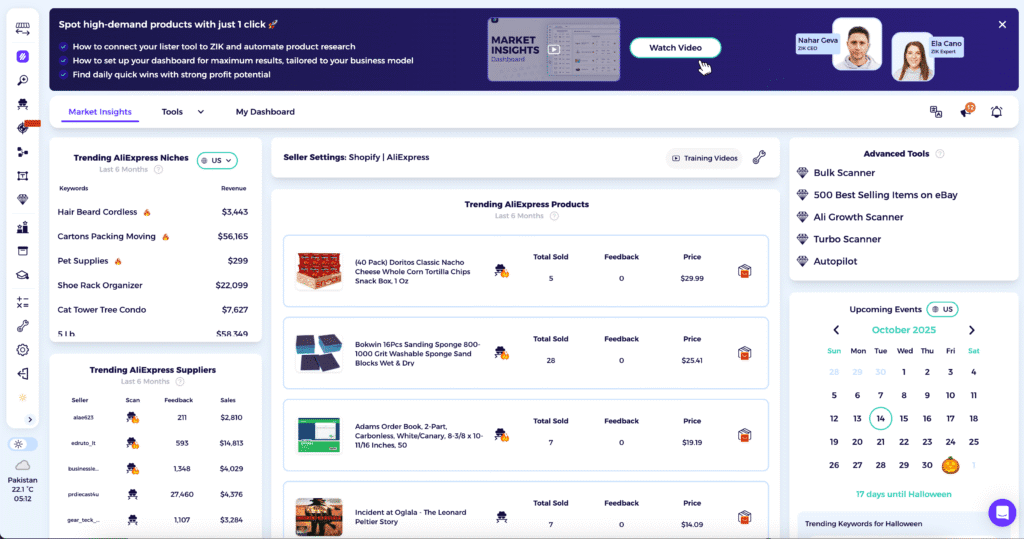
You can also click any product to see sales volume, pricing, and who’s selling it.
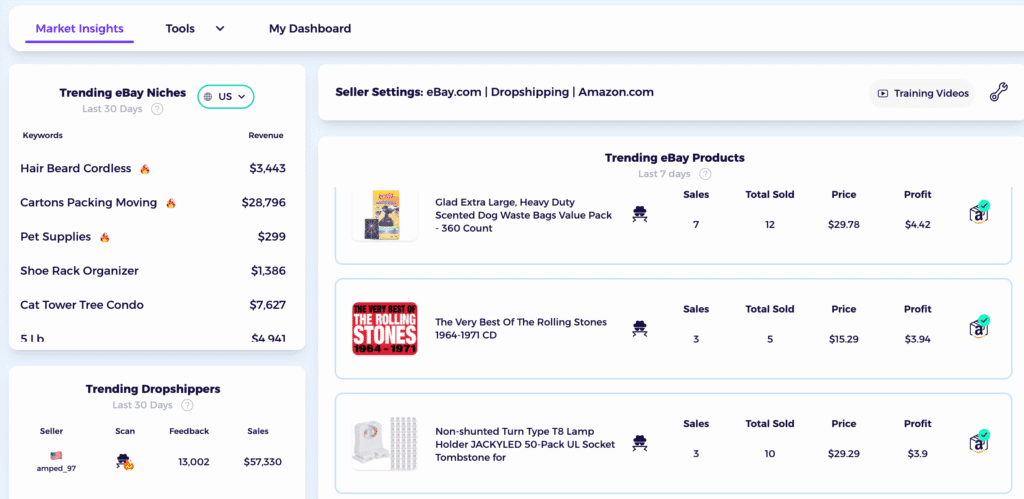
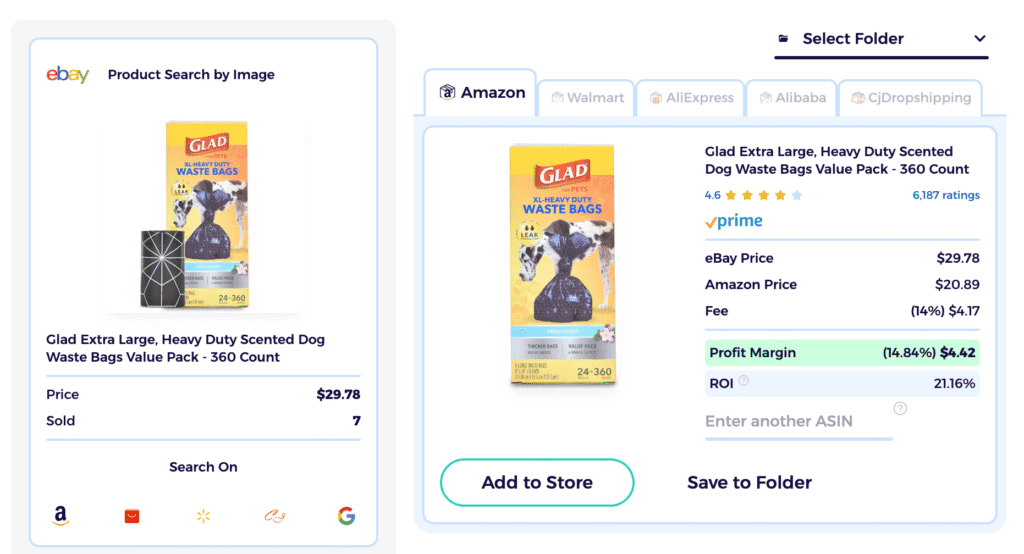
For example, a scented dog waste bag that sold 106 units at $22.17 shows that buyers are shopping for this product.
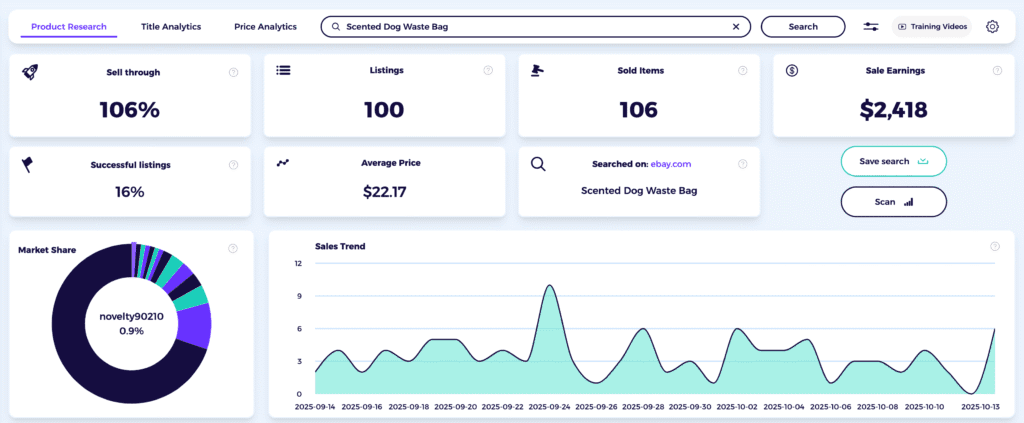
Of course you can search for any product or niche using ZIK’s eBay product research tool to get accurate sales, revenue, sales trends, sell-through rate, best sellers, and more data
If you want to find a supplier for the product, you can use the dropshipping product finder tool. This tool lets you see where the product comes from and how much it will cost you to source.

Method #2: ZIK’s Bulk Scanner & Autopilot Features
As you’re researching products on ZIK, make sure to take advantage of two tools that speed up finding eBay best selling products: Bulk Scanner and Autopilot.
Bulk Scanner is a feature that analyzes competitors’ stores to show their best-selling items with sales data. Just find a seller doing well, click “scan all items,” and you’ll see their entire catalog with supplier matches.
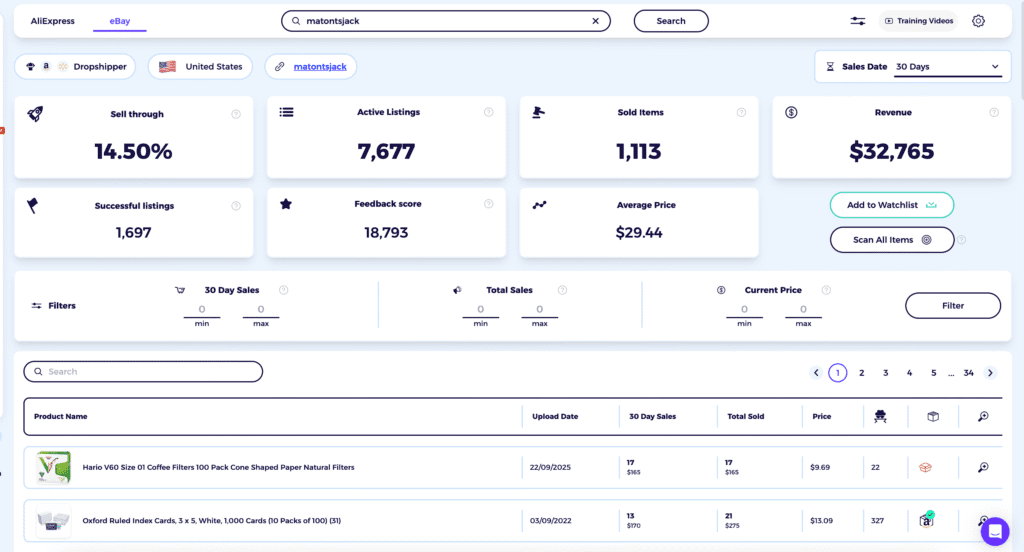
Pay attention to “not found” products where ZIK couldn’t identify the source. It’s a good idea to add them to your catalog since fewer people know about them and the sellers made extra effort to hide them. You can use our search by image function to track these down and enjoy higher profits.
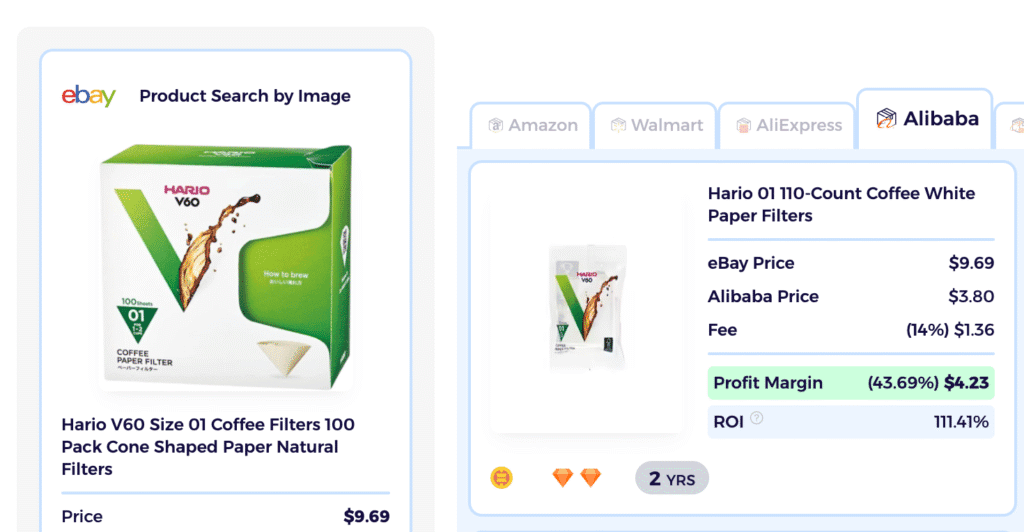
ZIK also has Autopilot, which scans eBay automatically based on filters you choose. You can set suppliers, categories, minimum sales numbers, and competitor limits. The tool finds hundreds of products matching your criteria in minutes, including similar items with less competition.
Both features let you export results as files or upload directly to eBay listing software. Make sure to exclude VeRO brands before uploading to keep your account safe.
Method #3: Retail Arbitrage Opportunities
Retail arbitrage means buying discounted products from stores and reselling them on eBay for a profit. You can find items for cheap in different places with a bit of research if you know where to look.
Start by visiting clearance sections at big-box retailers like Target and Walmart. These sections often have items marked 50% off or more that still sell for close to full price on eBay.
You can check eBay sold listings on your phone before buying to make sure there’s actual profit in it.
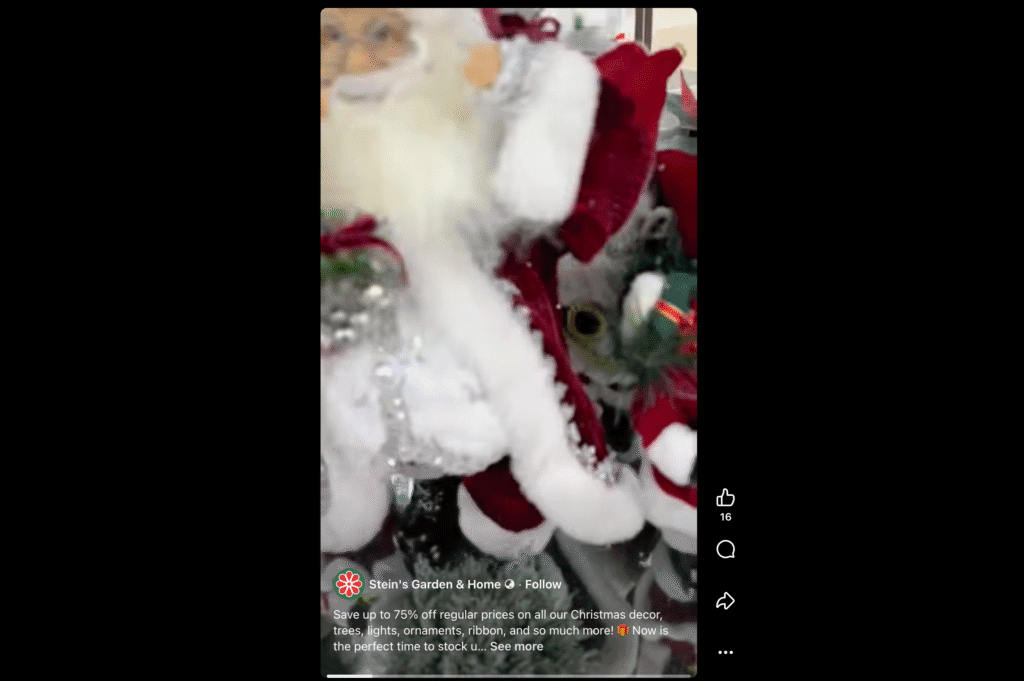
Seasonal timing can also work in your favor. For example, January is a time when the Christmas season has just ended and retailers are discounting items like decorations, wrapping paper, and holiday-themed products to clear shelf space. You can buy these products, store them for several months, and resell them on eBay when demand picks up again.
Store liquidations are also worth watching. When stores are closing, they drop prices to 50-75% off just to get rid of everything. Show up during the final weeks and you can find branded items that’ll sell quickly on eBay for much more than you paid.
Method #4: Thrift Store and Garage Sale Hunting
Thrift stores are one of the best places to find inventory for eBay. These stores carry brand-name items priced well below retail value, and you can often find vintage pieces that sell for high prices online.
Start by checking your local area to see which thrift stores are nearby. You can visit them weekly and scan sections like electronics, clothing with tags, collectible toys, and small kitchen appliances. Make sure to focus on items that are easy to ship and have proven demand on eBay.
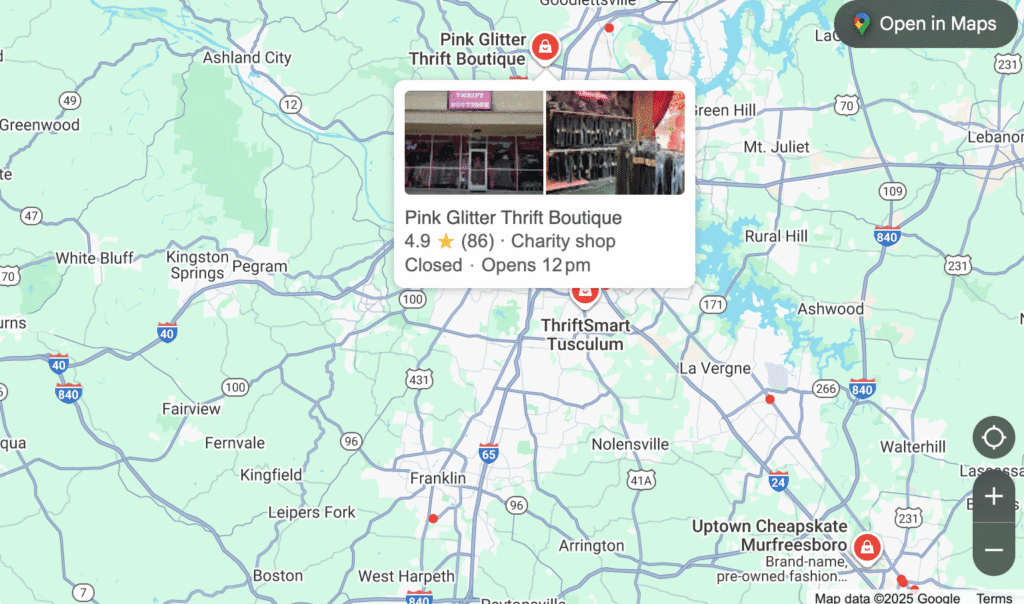
You can also check garage sales to see if there are any interesting items being sold cheaply. Sites like Craigslist and Facebook Marketplace can help you locate sales happening near you. Show up early to avoid the crowd and bring cash for easier negotiations.
Method #5: Facebook Marketplace
The Facebook Marketplace is handy for connecting with locals who need to sell things fast.
You can open your Facebook app and head to the Marketplace tab to start browsing. Once there, search for items using product names or categories you know perform well on eBay.
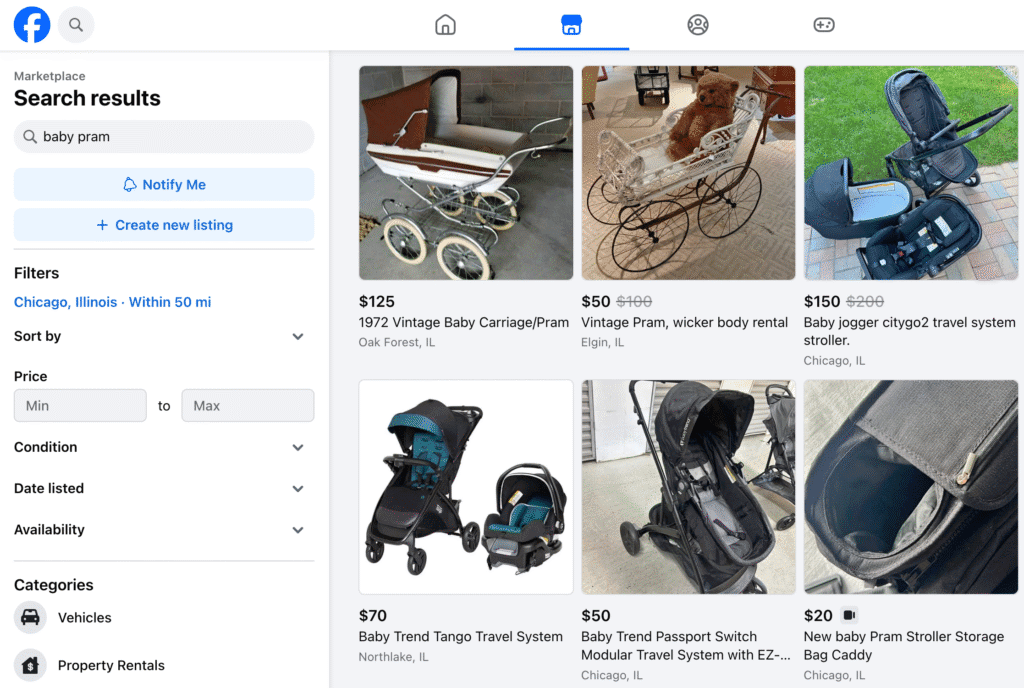
To stay ahead of others, you can set up saved searches with notifications for new listings. Facebook will then notify you when an item of your interest is listed for sale.
When you find something worth flipping on eBay, message the seller quickly and offer to pick it up with cash. Mention that you can come right away. Sellers appreciate buyers who don’t waste their time with endless questions or cancel on pickup.
Method #6: Amazon
Amazon is home to millions of products you can buy and resell on eBay for profit.
Start by searching clearance sections and daily deals for items priced below what they sell for on eBay. Then, check sold listings to confirm that the price difference covers your costs, including eBay fees and shipping.
You can also browse Amazon Resale (previously called Amazon Warehouse) for returned items with cosmetic damage that sellers often list at steep discounts.

Want to sell without holding inventory? Dropshipping lets you list products on eBay and fulfill orders directly from Amazon when customers buy. Check out our guide on Amazon to eBay dropshipping to learn how this model works and what tools you need to get started.
Method #7: Craigslist
Another way to find items to sell on eBay is to use Craigslist.
Although the platform has a reputation for being outdated, you can still find electronics, tools, and collectibles that you can resell on eBay.
Open the site and go to the free section or browse categories like electronics and home goods. These often have working items from people who are moving or clearing out space.
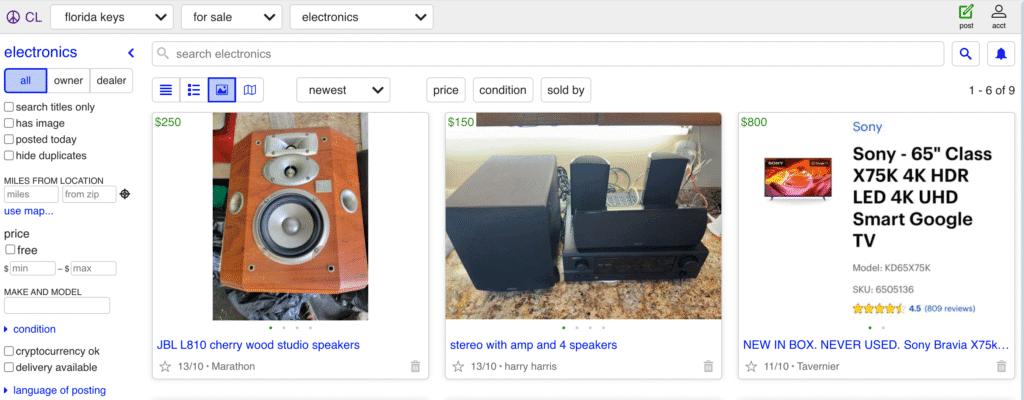
When you come across an item, message the seller to express your interest and arrange a pickup time. You can discuss the price if it’s not listed as free and mention you have cash ready.
Important: Meet in a public place during daylight hours and test electronics before paying. Craigslist doesn’t have buyer protection, so inspect everything carefully to make sure it works before handing over money.
Method #8: Online Wholesale Platforms
Online wholesale platforms connect you with suppliers who sell products in bulk at huge discounts. That means you can stock up on popular items at lower costs and keep more profit when selling on eBay.
Start your journey by visiting a platform like Alibaba or Wholesale Central. In the search bar, type the name of the product you want and wait for a few seconds. The platform will then give you a list of suppliers offering that item.
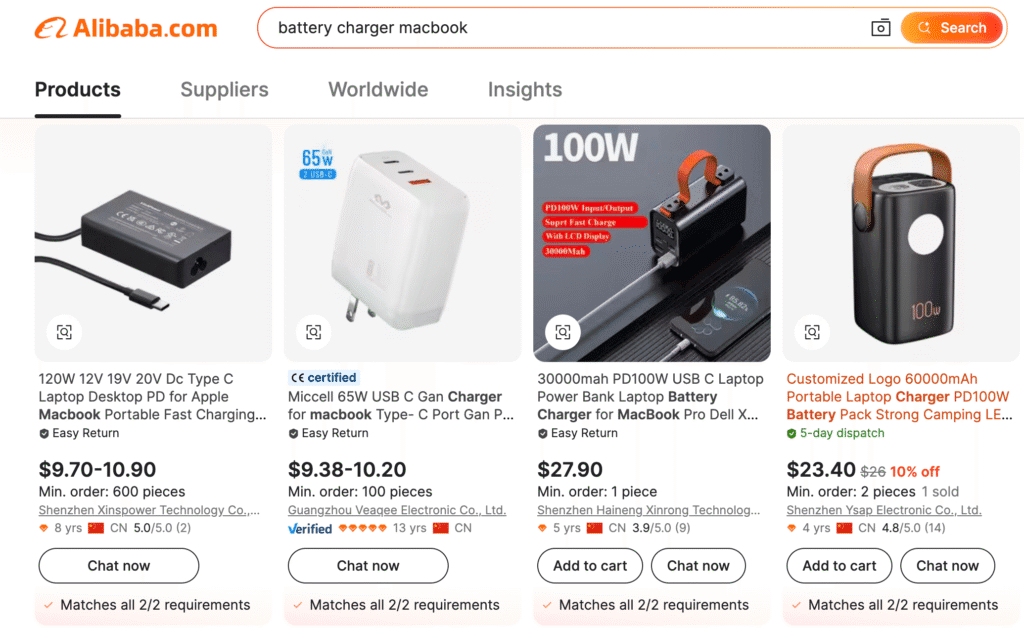
You’ll see both verified and unverified suppliers there. Ideally, choose a verified supplier as they have been checked for quality and customer service. That said, you should still check their certifications and reviews to make sure you’re choosing the best.
Most wholesalers have minimum order requirements, often between 50 and 500 units or $500 and $1,000 per order. But you can always talk with them and negotiate a lower quantity. Request samples and confirm business details before buying in bulk.
Method #9: Product Trend Analysis
Selling products that buyers are already searching for is much easier than trying to create demand from scratch. You can use trend analysis to spot items gaining traction before the market gets crowded.
Start by checking Google Trends. Type in the products you’re considering and see if interest is going up or down. Focus on those showing steady growth, as they’re more likely to bring consistent sales once you list them.
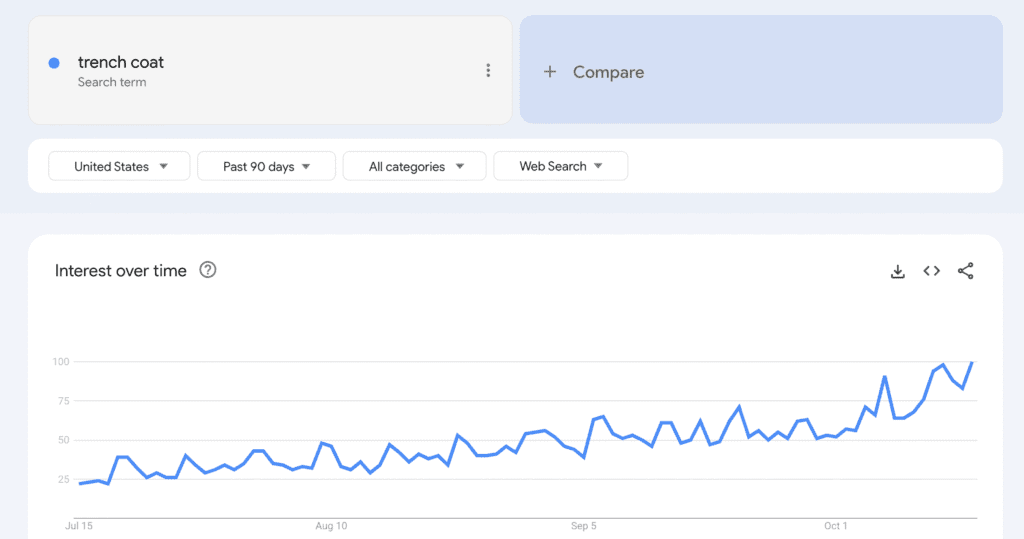
You should also pay attention to the items blowing up on TikTok and Instagram. If they become popular on these platforms, it won’t be long before they make their way to eBay. Why not be the first to introduce them to your target audience?
Finally, pay attention to seasonal trends. For example, spring and summer is when people buy lightweight fitness gear to stay active and exercise outdoors.
Click to download the eBook and master eBay product research for winning items.Method #10: Niche Market Exploration
Niche markets have less competition because you’re targeting buyers with specific needs instead of selling to everyone. The way to explore them is to think about your passions and expertise.
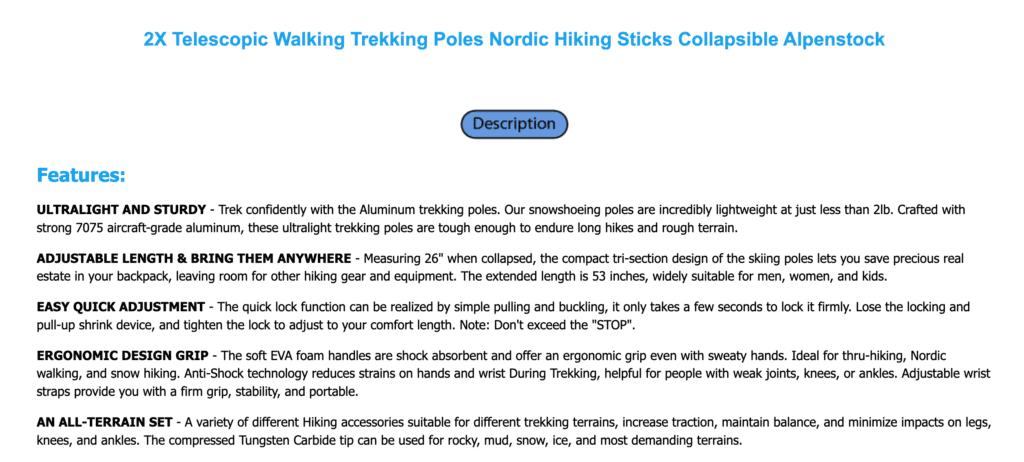
For example, you might be an outdoors person who loves to hike. In this scenario, selling hiking gear makes sense because you understand what features matter to buyers. Your expertise can help you write better descriptions and answer questions that other sellers can’t.
Check out our guide on high-profit eBay niches for category ideas that are in proven demand.
Method #11: Liquidation and Overstock Sources
Liquidation inventory comes from stores clearing out extra stock, customer returns, or damaged goods. You buy these products for cheap and resell them on eBay for profit.
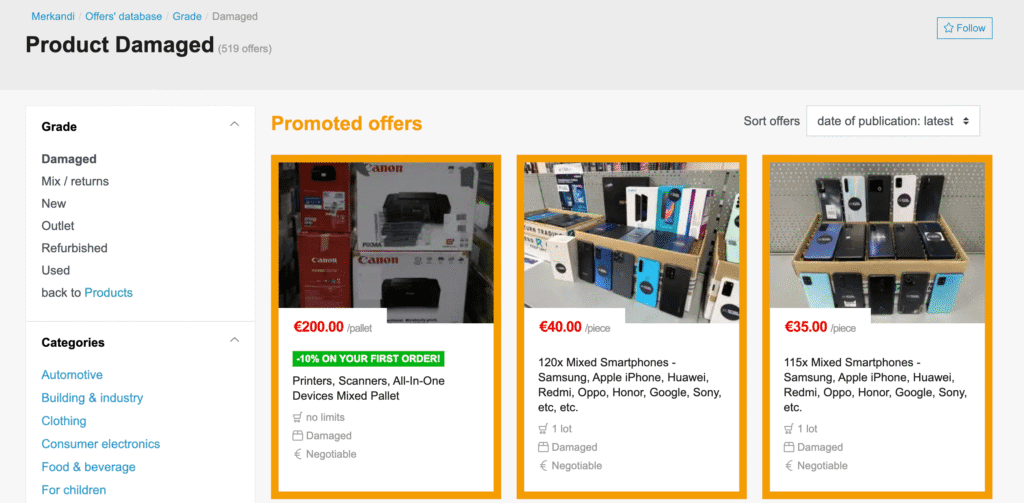
Check sites like Liquidation.com and BULQ. They sell merchandise from major retailers at huge discounts. You’ll see a description of what’s included before buying, and you can often find items that are still in great shape.
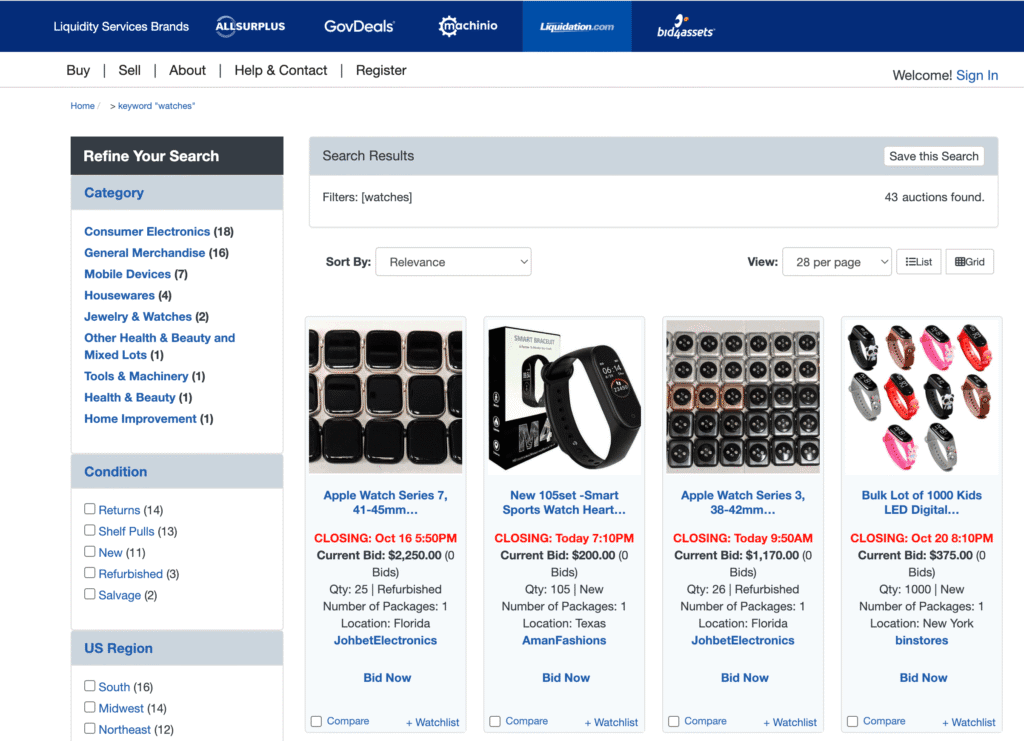
Some retailers also have return programs where you can buy returned items in bulk. For example, Amazon runs a liquidation auction program where you can bid on returned items. These products might have torn boxes or missing accessories, but many work perfectly fine.
Remember that not everything you buy will be sellable. So you’ll want to inspect items before listing them and describe their condition honestly.
Method #12: Business Liquidation and Closure Opportunities
When local stores or small businesses close, owners often need to sell everything quickly to recover costs. That’s where you can find valuable items for resale at very low prices.
Look for closures of:
- Retail stores: Going-out-of-business sales often include leftover stock and display fixtures at steep discounts.
- Restaurants: Many sell kitchen equipment that’s still in great shape and easy to resell.
- Gyms and offices: You might find quality gear or furniture being sold off cheaply.
- Medical or beauty practices: Closing clinics and salons often unload treatment tables or salon chairs at liquidation rates.
Check Craigslist and local auction sites for closure announcements. Go early for the best selection or visit on the last day when sellers are ready to accept almost any offer.
Method #13: International Sourcing
Why limit yourself to local suppliers when you can access manufacturers worldwide? Platforms like Alibaba and AliExpress connect you directly with factories overseas.
Start by contacting suppliers and ordering samples before placing bulk orders. Product photos don’t always match what arrives, so you need to verify quality firsthand.
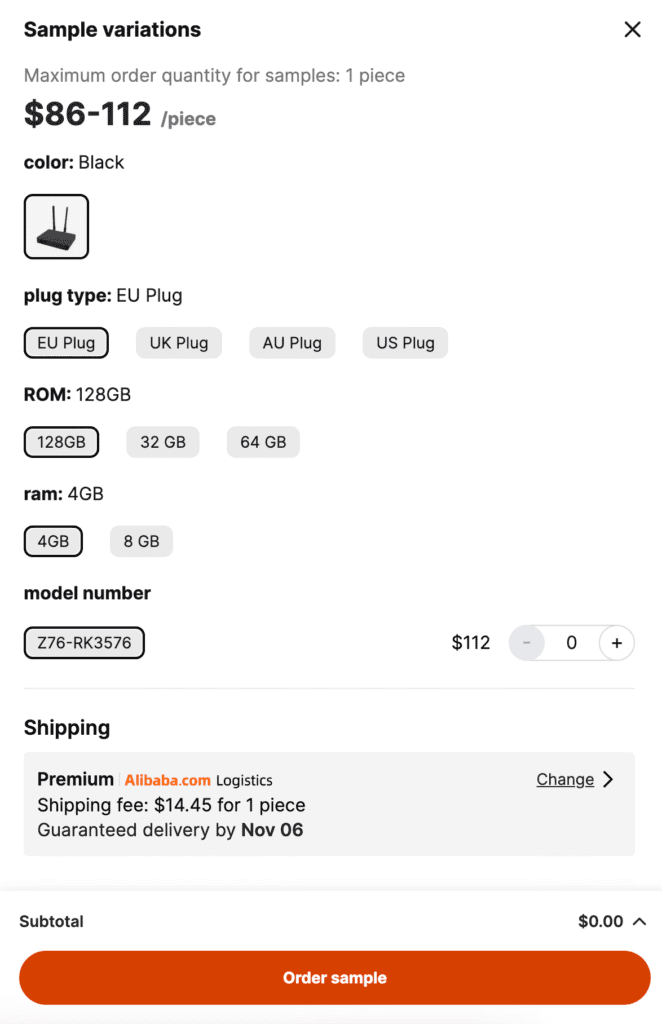
You’ll also want to check import regulations before ordering. Products like electronics and toys often have safety certification requirements.
Shipping takes 20-30 days by sea or 7-12 days by air. Plan inventory around these timelines, especially for items that sell quickly.
Method #14: Private Label Opportunities
Private labeling means putting your own brand name on products manufactured by someone else. Instead of selling generic items where you compete with dozens of other sellers, you create your own branded product line.
Here’s how to pursue it:
1. Find manufacturers. Search Alibaba or AliExpress for suppliers who offer private label services. You can apply the “fast customization” filter to see your options.
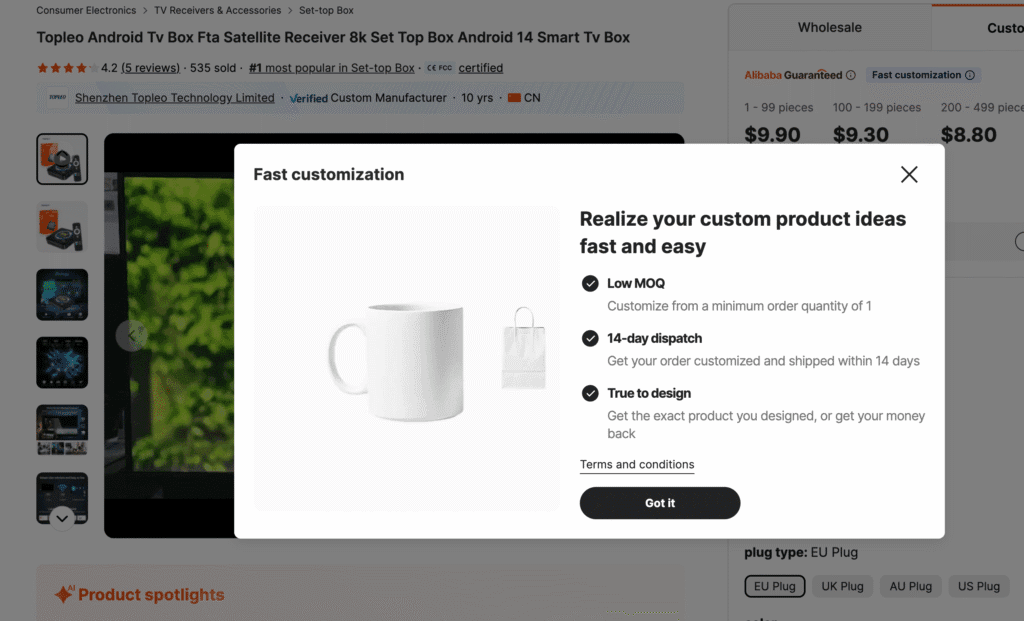
2. Meet minimum orders. Most factories require 100-500 units minimum, depending on the product
3. Create your branding. Design a logo, choose packaging colors, and add product details to boxes or labels.
For example, you could buy generic yoga mats and brand them as “ZenFlow Yoga.” This way, customers remember your brand name and return to buy from you again. Better packaging also lets you charge more than sellers offering unbranded versions of the same product.
Method #15: Digital Products and Information
Digital products are the items you create via software. eBay allows certain types of digital goods like guides, templates, and educational materials.
You can find digital products with resale rights on platforms like Etsy. Alternatively, you can use software like Canva to create your own digital planners, checklists, or printable art.
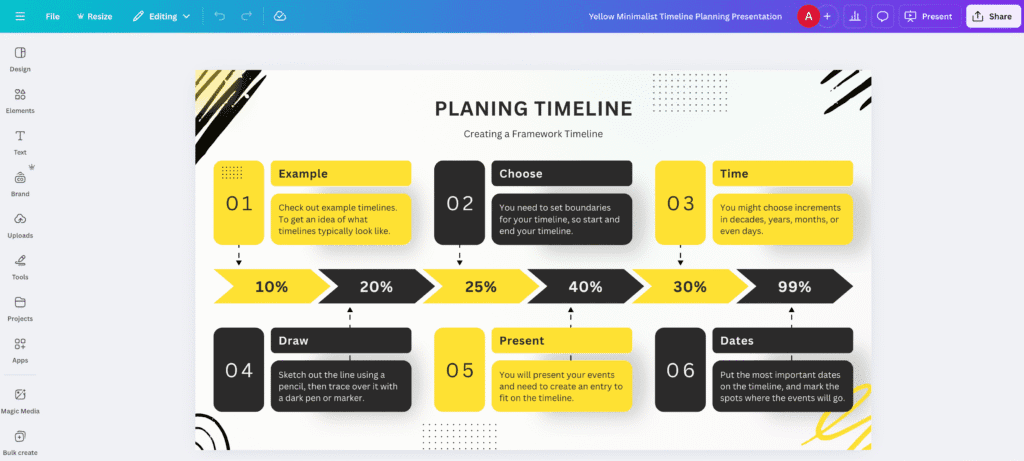
Before selling any digital product, verify the licensing agreement allows commercial resale. Some licenses only permit personal use, and selling without proper rights can suspend your eBay account or create legal issues.
Learn more about selling this type of product in our digital products guide.
Method #16: Convention and Event-Based Opportunities
Conventions and collector events attract buyers who pay top prices for niche items. But they’re also great places for you to find deals. Vendors often prefer to sell off what’s left at the end of an event rather than pack everything up and ship it home.
Here’s where you can look:
- Gaming conventions: Events like Pokémon, Magic and major board game expos often have vendors offering rare items at end-of-show discounts.
- Comic conventions: Check pop culture expos for sellers clearing out comics, figures, and memorabilia that didn’t sell earlier.
- Sports card shows: Dealers often drop prices or bundle cards before packing up their displays.
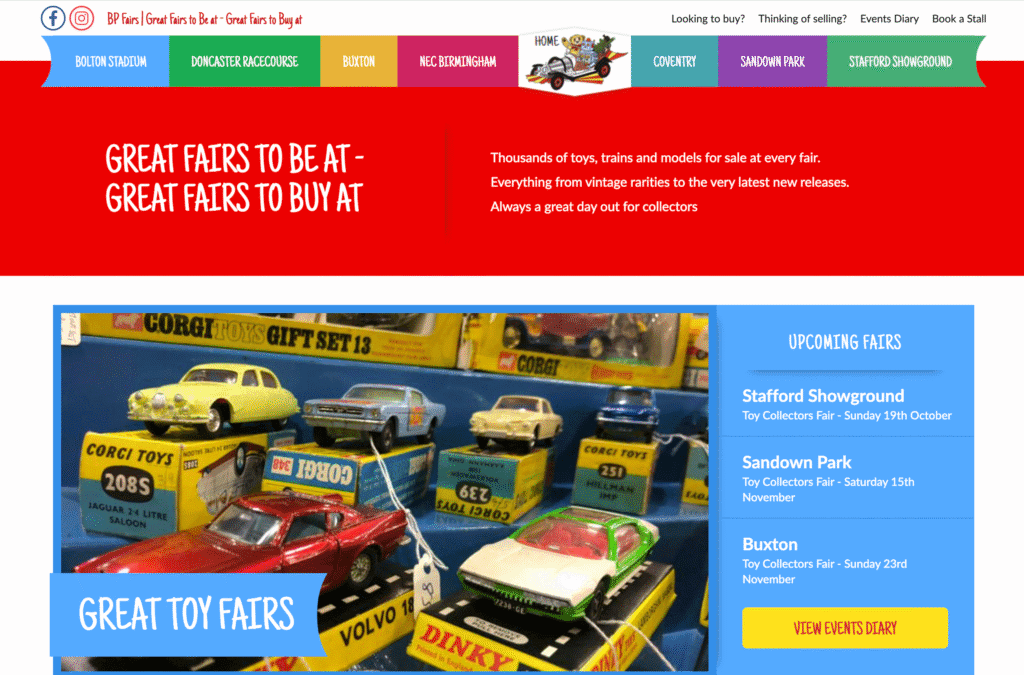
- Toy fairs and collectible shows: You can pick up vintage toys and limited editions from vendors eager to make a sale before heading home.
Method #17: Seasonal and Holiday Products
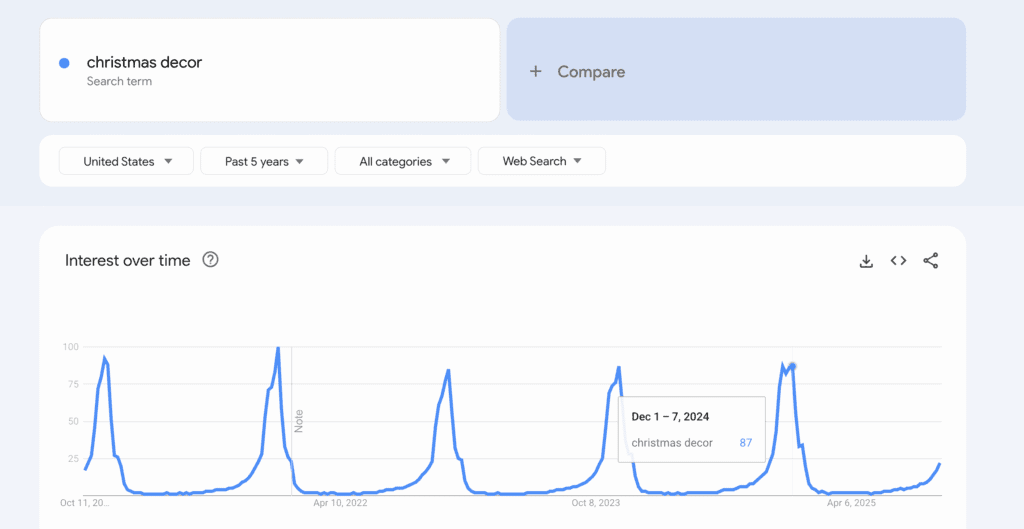
Seasonal products work well because you already know when people will start buying them. Demand follows a clear pattern, giving you time to plan ahead and prepare your listings.
Start by making a holiday calendar. Mark key dates like Christmas, Halloween, and Valentine’s Day. Then, look for items that fit the theme. For instance, Christmas décor usually sells quickly from October to December.
You can also plan around weather. For example, fans sell more during summer, whereas space heaters drive sales in winter. You can stock these items early so you’re ready when buyers start searching .
If you’re looking for the best things to resell on eBay, seasonal items often lead the way thanks to their steady, predictable demand.
Method #18: Refurbishment and Upcycling
Buying broken or worn items cheap and fixing them up lets you sell at higher prices than the original condition. People throw away or donate things with minor damage that are easy to repair.
Look into:
- Electronics refurbishment. Buy phones, tablets, or laptops with cracked screens or weak batteries. With simple repair kits, you can fix them up and resell them as refurbished devices.
- Furniture restoration. Pick up worn or outdated furniture from thrift stores. A bit of sanding, paint, or new fabric can turn it into something fresh and stylish that sells quickly.
- Clothing alterations. Find vintage or oversized clothing and give it a new fit. Add patches, tweak hems, or distress denim to match what buyers are searching for.
Step‑by‑Step Research Workflow to Find Items to Sell on eBay
Finding profitable dropshipping products on eBay doesn’t have to be complicated. Here are the steps you can take to find items worth selling.
Step #1: Brainstorm Seed Ideas
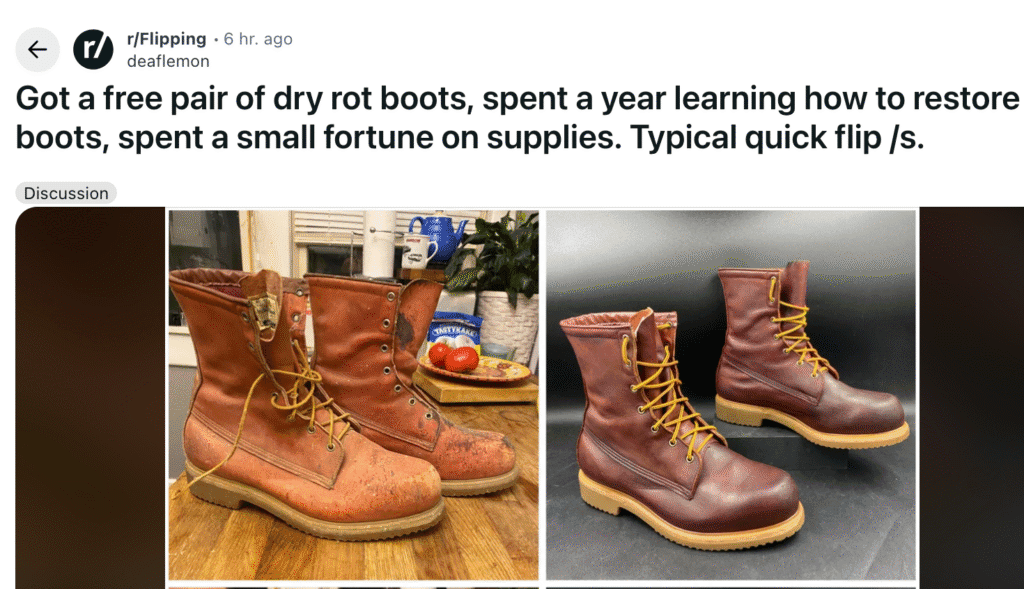
Start by looking where trends pop up first. Check TikTok Shop to see what’s blowing up and getting people to buy. Scroll through Reddit’s /r/Flipping community where sellers talk about what’s making them money.
When you’re browsing Amazon or eBay, pay attention to the “People Also Buy” sections. These show you what items customers grab together, which can lead you to niches you never thought about.
Step #2: Validate with eBay Product Research Tool
Once you have product ideas, use ZIK’s Product Research tool to confirm they actually sell before buying inventory.
Open ZIK and enter your product keyword in the search bar. Set the filter to show the last 30 days of sales data. Look for products with at least 30 sales during that period since this proves consistent buyer demand.
Check the average selling price (ASP) to see what buyers pay. Compare this to how many sellers list the same item. If there are more sales than active sellers, the product moves fast and isn’t oversaturated yet.
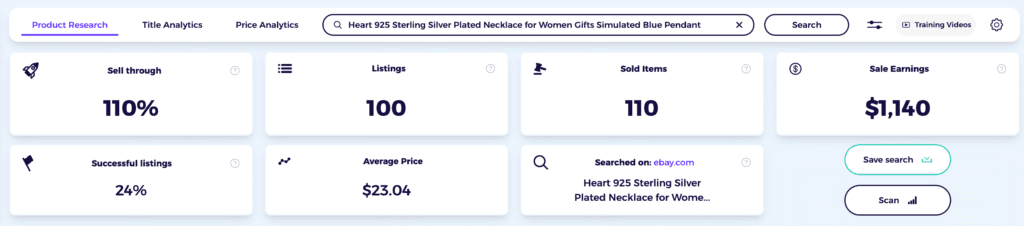
Write down the ASP and total number of competitors for each product you’re considering. Products with high sales but under 50 sellers give you room to compete without getting into pricing wars that kill your margins.
Step #3: Competitor Deep Dive
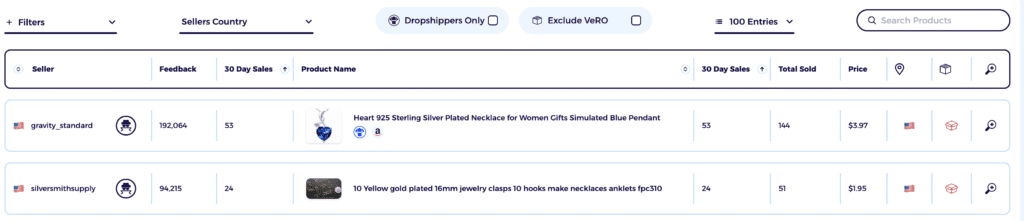
Once you know a product sells, analyze the sellers who are already making money from it. Check their store metrics, such as total sales and feedback scores, to understand who you’re competing against.
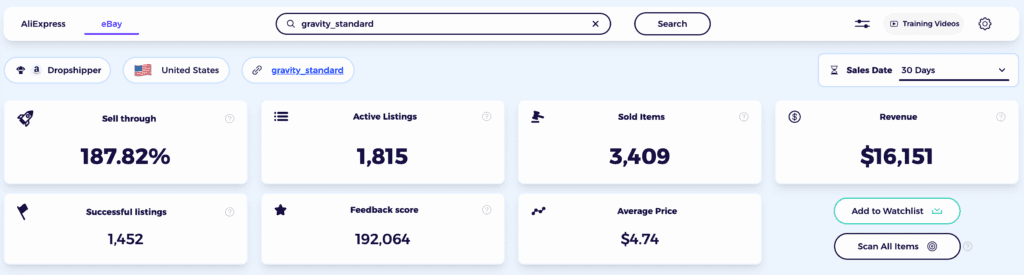
Look at shipping times listed in their policies. If competitors ship in 3-5 days, offering 24-hour shipping gives you a competitive advantage you can highlight in your listings.
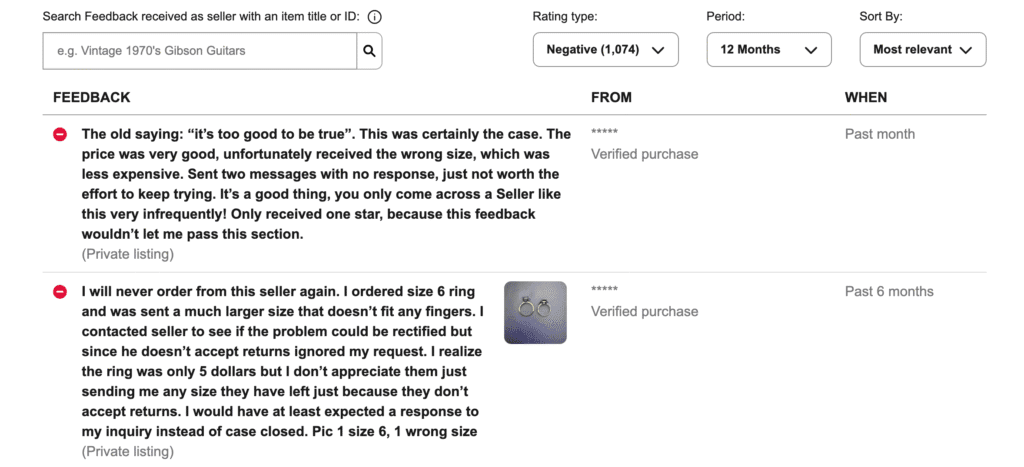
You’ll also want to read through negative feedback on their top listings. Look for patterns in complaints. For example, if multiple buyers mention crushed or damaged packaging, invest in better boxes to differentiate your store.
Step #4: Supplier Check
Once you’ve found a product with demand and analyzed your competition, verify that suppliers can deliver what you need reliably.
Contact suppliers and ask about minimum order quantities. If they require 100 units and you only want to test with 10, keep looking. Also, check how long processing takes between your order and their shipment. Long processing times conflict with eBay’s fast shipping expectations.
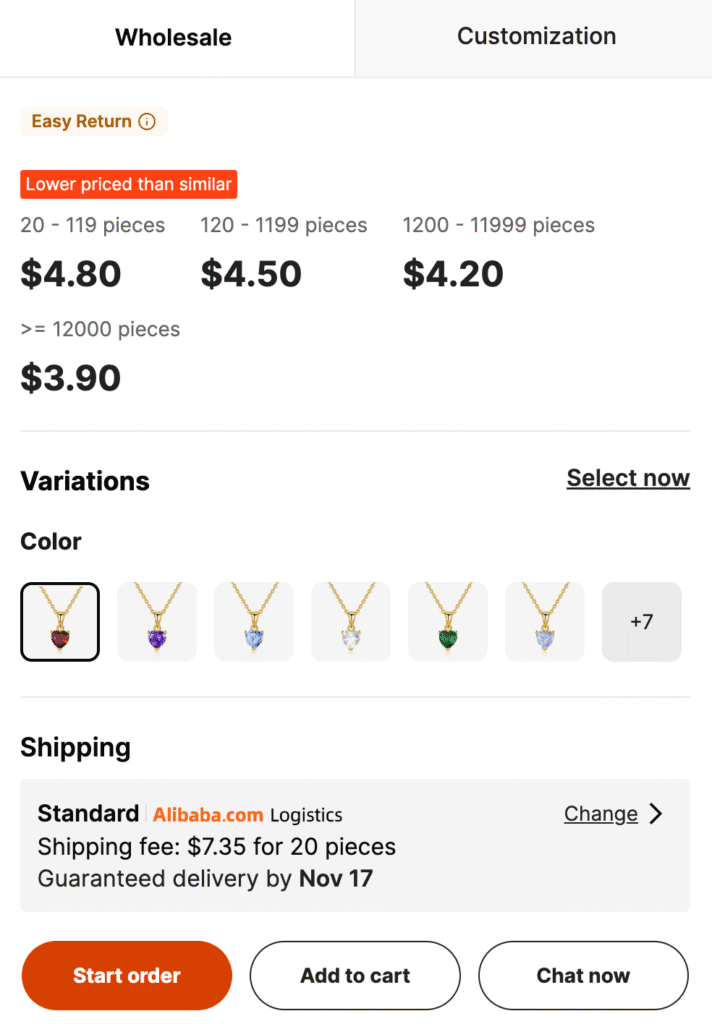
Ask about their eBay return policy for defective items and what carriers they use for shipping. You need tracking numbers for every order to protect yourself from buyer disputes on eBay.
Step #5: Profit Simulation
Before you buy anything, calculate if you’ll actually make money. Use this formula: (Average Price – Your Cost – eBay and PayPal Fees) / Average Price.
Say you find a kitchen gadget selling for $30 on eBay. You can buy it for $12. Shipping costs you $4. Plug these numbers into the calculator and it shows your fees (about $4.17 with eBay’s 12.9% + $0.30) and your total profit ($9.53, or about 32% margin).
ZIK’s eBay Fee Calculator does the math for you. Just enter your item ID and let it handle the rest.
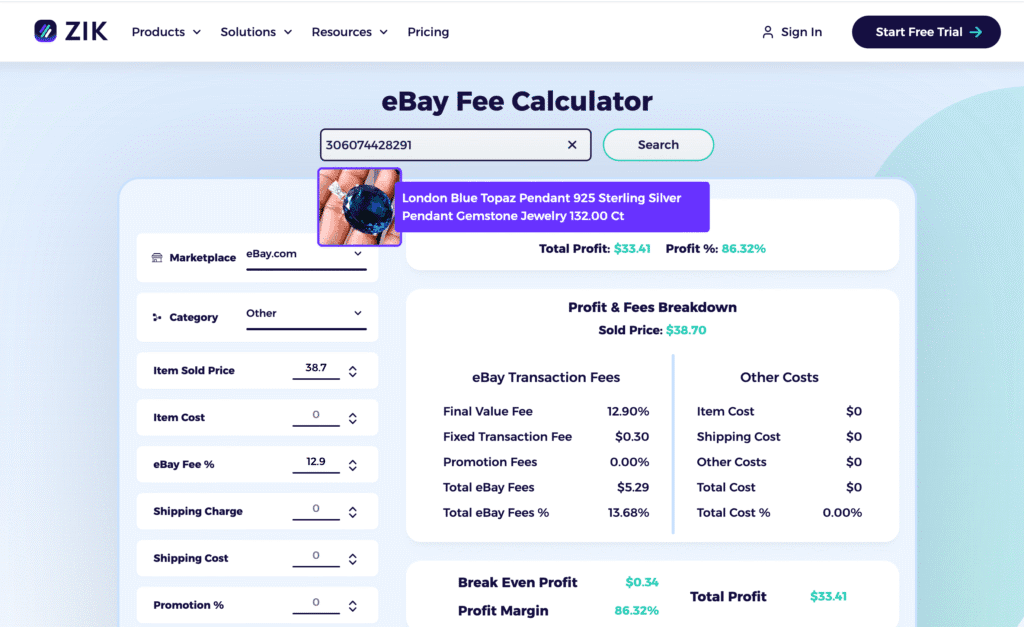
If your profit margin drops below 20%, the item probably isn’t worth your time. Factor in the work of listing, packing, and handling customer service. Low margins mean one return or pricing mistake wipes out your profit completely.
Click to download the eBook and master eBay product research for winning items.What Makes Products Sell Well on eBay
There are a few different factors that make products sell well on eBay, including:
- High search volume – Buyers actively search for the item multiple times per day, creating consistent demand you can tap into.
- Brand recognition – Items from known brands like Apple, Nike, or Sony sell faster because buyers trust the quality without extensive research.
- Clear condition standards – Products whose condition is easy to verify (new, sealed, with original packaging) have fewer returns and disputes.
- Lightweight and compact – Small items cost less to ship and store, protecting your profit margins from expensive logistics.
- Seasonal relevance – Items aligned with current seasons or upcoming holidays sell faster than off-season products sitting in storage.
- Reasonable competition – Categories with 100+ sales but under 50 active sellers give you room to compete without race-to-bottom pricing.
- Price point between $15-$100 – Items in this range balance profit potential with impulse-buy psychology that drives quick purchases.
- Repeat purchase potential – Consumables or collectibles where buyers come back for more create loyal customer bases over time.
Find Winning eBay Items with ZIK Analytics
The 18 sourcing methods above show you where to find inventory, but knowing what actually sells separates profitable sellers from those stuck with dead stock.
ZIK Analytics shows you real sales data before you buy anything. See what’s selling right now, who’s making money from it, and whether you can source it profitably.
Check best selling items on eBay for the top 500 products updated every 24 hours. The market insights dashboard reveals trending keywords, successful competitors, and which products generate consistent sales across different marketplaces.
Start your trial with ZIK Analytics and find products backed by real buyer demand.
Frequently Asked Questions About How to Find Items to Sell on eBay
In this section, I’ll answer the frequently asked questions about how to find the best items to sell on eBay:
How to find items that sell well on eBay?
You can find items that sell well on eBay by:
- Checking sold listings from past 90 days for real prices
- Using ZIK’s Product Research tool for high-demand, low-competition products
- Reading competitor negative feedback to spot common listing mistakes
- Browsing TikTok Shop and Reddit’s r/Flipping for trending ideas
- Calculating profit margins after all eBay fees and shipping
Where do people get stuff to sell on eBay?
People use a variety of sources to find products to sell on eBay. For example, thrift stores and garage sales offer cheap items you can flip for profit. Another option is checking Facebook Marketplace and Craigslist free sections, where people give away working items. Some sellers also buy directly from overseas manufacturers to get wholesale pricing on the items they intend to sell.
What is the 30 day rule on eBay?
The 30 day rule on eBay refers to the buyer protection window that lets customers open returns or report items not received within 30 days after delivery. The countdown starts when the package arrives, not when they buy it. If someone opens a case, respond within three business days. Always use tracking numbers to prove delivery dates if disputes happen
How to get more sales on eBay?
You can get more sales on eBay by:
- Optimizing titles with brand, model, size, and condition details
- Taking clear photos from multiple angles showing any flaws
- Pricing competitively based on recently sold listings
- Shipping within 24 hours and responding to messages quickly
- Using eBay Promoted Listings at 2-3% for better search visibility
What sells fast on eBay?
Electronics and brand-name clothing sell faster than most other categories on eBay. These items have high demand because people need replacements quickly or want specific models that are not available in stores. Other examples of fast-selling eBay items include home fitness equipment, baby essentials, and collectibles like trading cards or vintage toys.